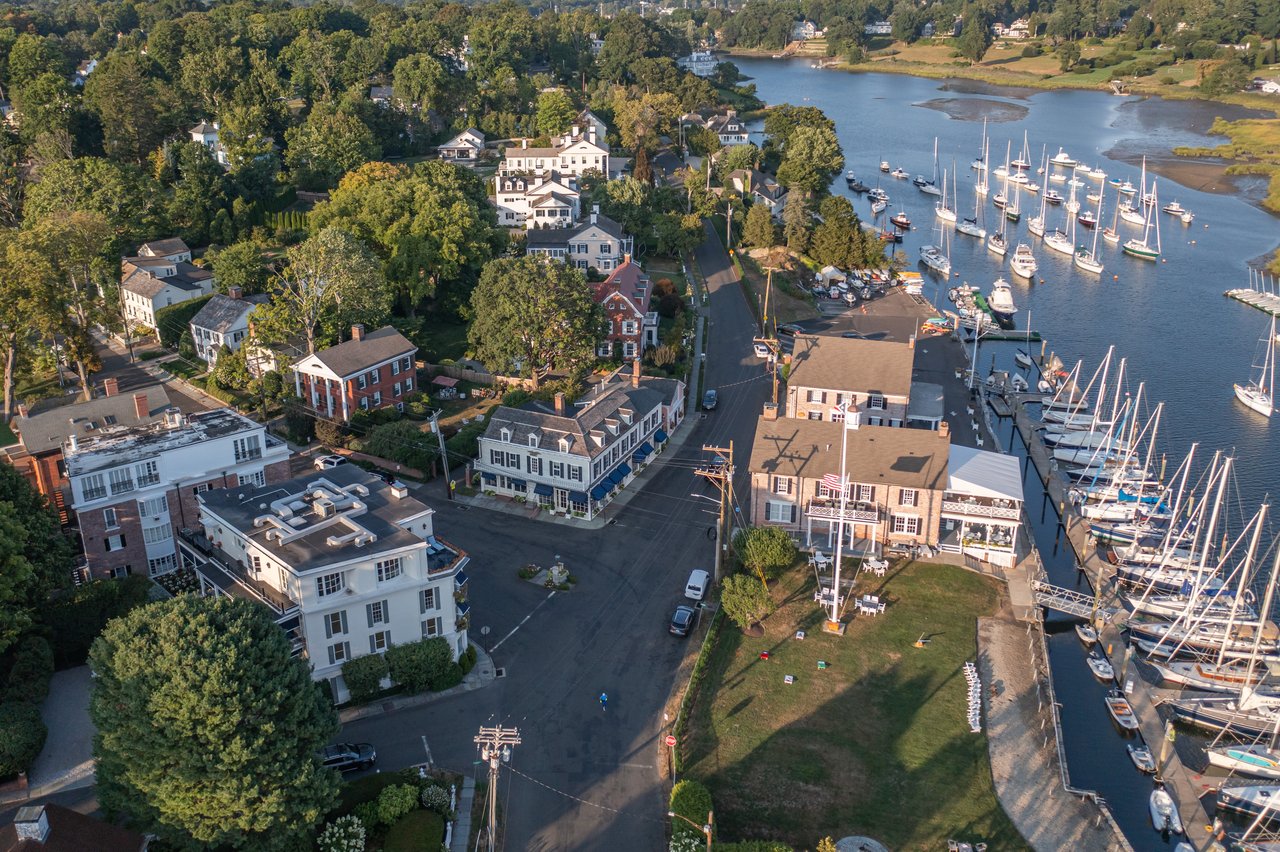
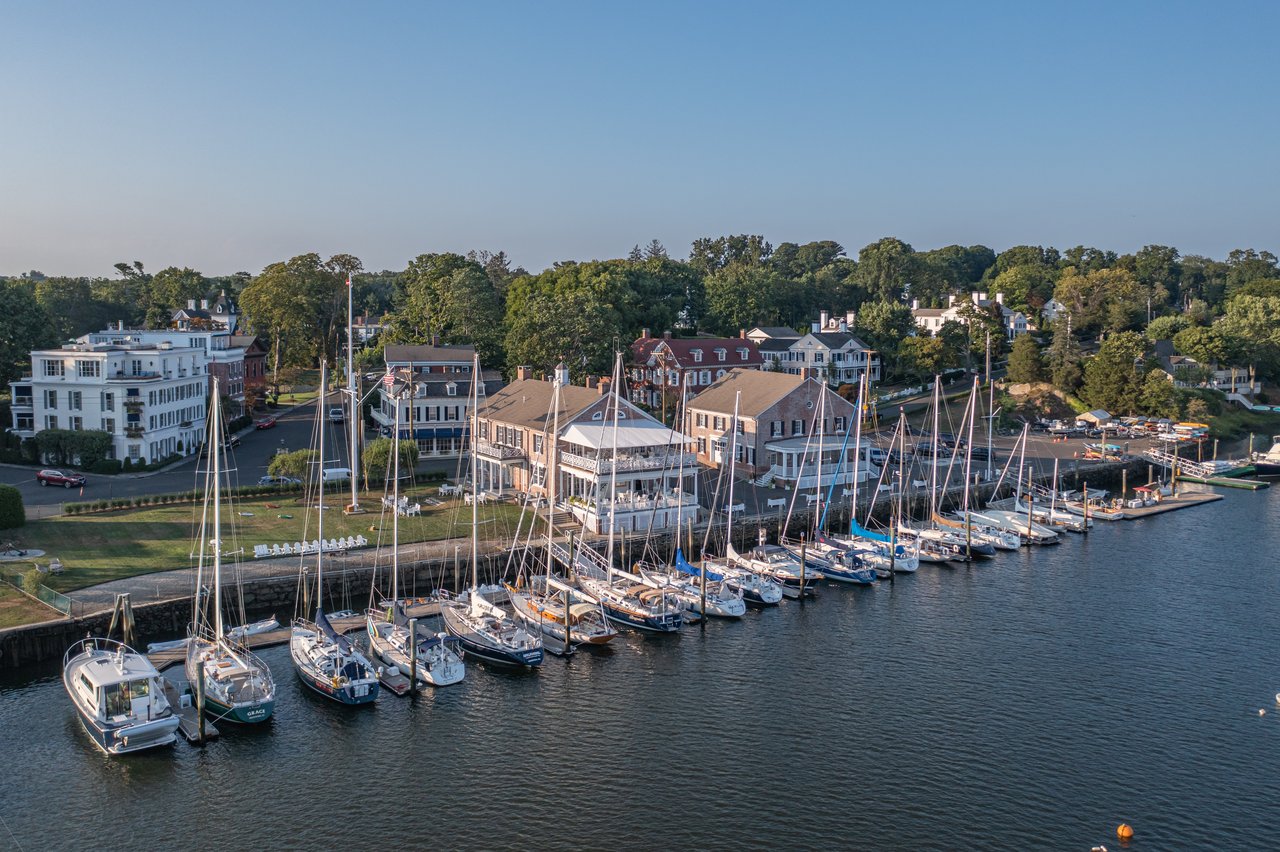
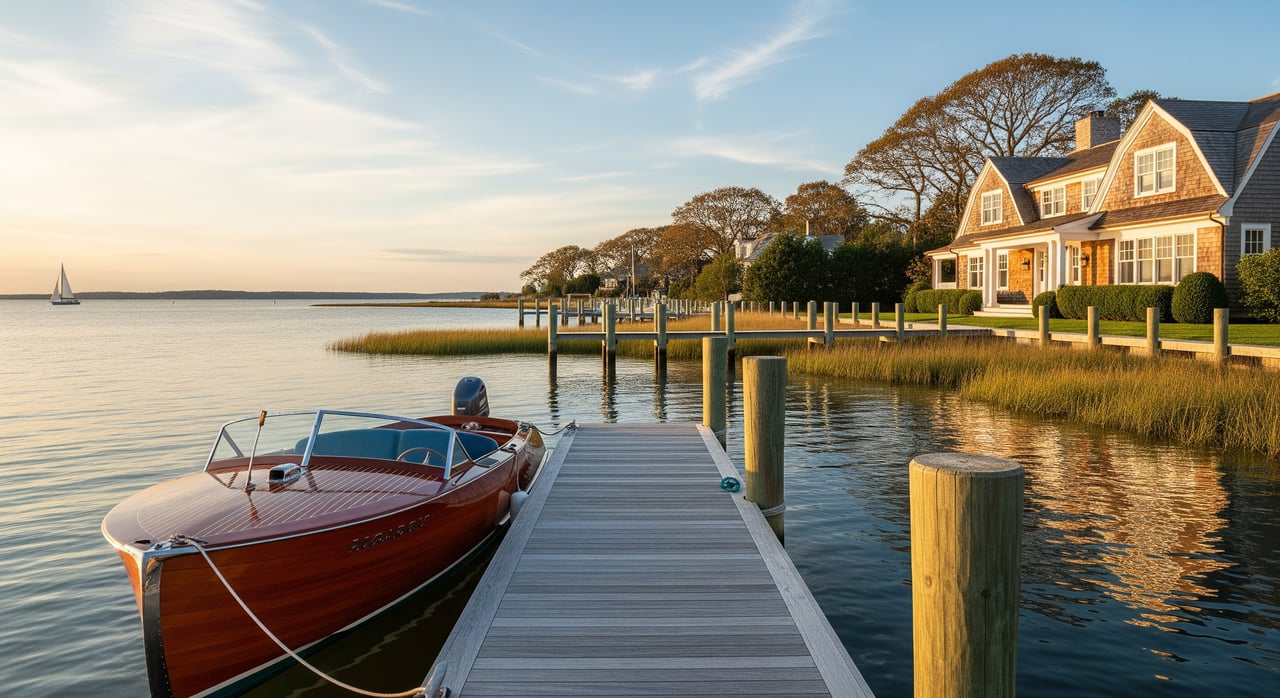
Imagine stepping from your back door onto your own dock, then cruising into Norwalk Harbor within minutes. If you are exploring Rowayton, that vision is likely high on your wishlist. Buying a waterfront home with a private dock is more complex than a typical purchase, but when you know what to verify, you can move forward with confidence. This guide gives you a clear, Rowayton-specific roadmap for permits, tides and flood risk, dock condition, insurance, and how to structure a winning offer. Let’s dive in.
Rowayton waterfront basics
Rowayton sits within the City of Norwalk on Long Island Sound. Many homes front Norwalk Harbor or smaller coves and creeks that connect to open water. The setting is special, but it means your dock is subject to local, state, and federal oversight. Understanding how these layers fit together helps you preserve access and value.
Know the rules early
Before you submit an offer, map the regulatory landscape. Expect a layered process that can overlap.
Tip: Confirm approvals at all applicable levels. A dock might have one permit but miss another.
Confirm title and water rights
You want clarity on what you are buying, where boundaries lie, and how you can lawfully use the water.
- Riparian rights: Verify the deed includes rights of access and docking.
- Mean high water line: Confirm where your property ends relative to the shoreline. Submerged lands seaward of mean high water are often held in public trust, which can require permissions or leases for structures.
- Easements and shared docks: Check for recorded rights-of-way, party dock agreements, or public access along the shore that affect use or maintenance.
- Encroachments and disputes: Look for recorded encroachments, historic disputes, or removal orders.
Request a full title search plus prior shoreline surveys that show the dock and mean high water line.
Verify permits for the existing dock
A private dock is only an asset if it is legal and maintainable.
- Gather documents: Ask the seller for all approvals from Norwalk, CT DEEP, and the Army Corps, plus any mooring permits and correspondence.
- Check status: Determine if permits are current, expired, or tied to a prior owner. Some structures may be grandfathered; others may require updates or retroactive approvals.
- Understand implications: An unpermitted dock can trigger remediation, fines, or removal. Build time and leverage into your offer to resolve issues.
Understand tides, flood, and sea level
Rowayton experiences semi-diurnal tides and localized currents. Tides, storm surge, and flood rules affect how you use and maintain a dock.
- Tides and access: Review NOAA Tides & Currents for local predictions. Draft and clearance matter if you plan to dock larger vessels or need tidal flexibility.
- Flood zones and BFE: Identify your flood zone and base flood elevation via the FEMA Flood Map Service Center. Flood regulations can affect associated structures like walkways, hoists, and utilities.
- Sea level rise: When planning long-term improvements, consult NOAA sea level rise scenarios. Consider how higher water and stronger storms could influence replacement decisions and timing.
Assess dock condition and safety
A marine-specific inspection is essential. Ask a qualified dock or coastal contractor to provide a written report before you close.
Focus on:
- Structure: Piles, framing, decking, and connections. Note rot, rust, marine borer damage, and signs of impact.
- Floats and moorings: Buoyancy, leaks, anchors, chains, and lines. Confirm hardware is marine grade.
- Electrical: Lighting, outlets, and any lift power. Look for permits, GFCI protection, and safe marine installation.
- Exposure history: Evidence of storm surge, ice damage, and wave action.
- Safety: Railings where appropriate, ladder condition, and non-slip surfaces.
Plan for seasonal operations
Connecticut’s winters matter. Many Rowayton owners remove or raise floats and unfastened components for winter. Seasonal commissioning and decommissioning, fastener checks, and boatlift service should be part of your annual plan. Strong maintenance reduces long-term costs and avoids preventable claims.
Think lifecycle and replacement
Service life varies by material, exposure, and upkeep. Composite decking and aluminum framing can reduce maintenance, while pressure-treated wood can perform well with diligent care. If you plan to replace or modify the dock, expect new permitting. Build lead time for design, approvals, and construction into your budget and schedule.
Insurance and liability checkpoints
Policies for coastal homes often treat docks differently than the dwelling.
- Coverage: Standard homeowners policies may exclude or limit dock coverage. Ask about a dock, marine-structure, or other-structures endorsement.
- Flood: NFIP and private flood insurance vary in what they cover. Confirm terms for docks and associated equipment.
- Wind and named-storm deductibles: Coastal policies often carry higher deductibles for wind and hurricanes. Know thresholds and triggers.
- Liability: Docks introduce risk for guests and service providers. Review coverage limits and how moored vessels interface with your liability plan.
Connect with an insurance broker experienced in coastal Connecticut before you sign a contract.
Financing and appraisal impacts
Lenders may require proof of insurability for the home and material detached structures. Unpermitted docks can affect underwriting or require repair escrows. If the dock contributes meaningfully to value, document its legal status, condition, and permits for the appraiser.
Build your specialist team
Waterfront success in Rowayton is collaborative. Engage the right experts early.
- Real estate attorney or title company: Confirm riparian rights, easements, and recorded shoreline documents.
- Licensed land surveyor: Update the survey to show mean high water, the dock footprint, and any easements.
- Marine or dock contractor: Inspect structure and electrical systems, and estimate repairs or replacement.
- Coastal or structural engineer: Advise on pile capacity, wave loads, and scour risk when upgrades are planned.
- Environmental consultant: If dredging or habitat impacts are possible, assess regulatory risk and mitigation paths.
- Permitting specialist: Coordinate with Norwalk, CT DEEP, and the Army Corps.
- Harbormaster and Harbor Management Commission: Clarify local navigation and mooring rules.
Structure a smart offer
Protect your interests with clear contingencies and a realistic timeline.
- Title and rights: Contingency for full title review of riparian rights and any shore or dock easements.
- Survey: Updated shoreline survey identifying mean high water and the dock.
- Dock inspection: Marine contractor inspection within a set period, including electrical review.
- Permit verification: Seller to provide all approvals. If gaps exist, include a contingency for remediation, price adjustments, or seller obligations.
- Insurance: Contingency to confirm coverage availability and indicative premiums for both the home and dock.
- Time for agencies: Allow time to consult with Norwalk, CT DEEP, and the Army Corps if you plan post-closing work.
Next steps
When you buy a Rowayton home with a private dock, you are buying a lifestyle plus a regulated, high-value asset. With the right due diligence, you can secure access, manage risk, and set up your dock for years of safe use. If you want a quiet, curated search and guidance through every step of the waterfront process, connect with Andrew + Wendy.
FAQs
What should I verify about dock permits in Rowayton?
- Ask the seller for all local, state, and federal approvals and confirm with Norwalk, CT DEEP, and the Army Corps whether permits are current or require updates.
How do I check the flood zone for a Rowayton property?
- Use the FEMA Flood Map Service Center to find the property’s panel and base flood elevation, then review Norwalk’s floodplain rules for structures near the water.
Who regulates private docks in Norwalk Harbor?
- Local agencies handle zoning, building, and harbor rules, CT DEEP oversees coastal permits, and the U.S. Army Corps reviews structures in navigable waters.
What inspections are essential for a private dock purchase?
- A marine contractor should inspect piles, framing, decking, floats, anchors, electrical systems, and evidence of storm or ice damage.
How do tides affect dock use in Rowayton?
- Rowayton has semi-diurnal tides; review NOAA tide predictions to plan vessel draft, access windows, and safe clearance at your specific site.
Will I need special insurance for the dock?
- Many homeowners policies limit dock coverage; ask about endorsements, flood coverage specifics, and wind or named-storm deductibles.
Can I modify or replace an existing dock after closing?
- Most replacements or significant changes trigger new approvals; expect coordination with Norwalk, CT DEEP, and the Army Corps plus lead time for permits.