Craving a coastal escape that still works for Monday morning in Midtown? If you are eyeing Westport as a second home, you likely want water, walkability, culture, and a commute that will not upend your week. In this guide, you will get a clear read on today’s pricing context, the tradeoffs between waterfront and in-town living, commute and parking logistics, seasonality and short-term rental rules, taxes, and a smart due diligence checklist. Let’s dive in.
Why Westport works for a second home
Westport pairs Long Island Sound shoreline with a lively, walkable downtown and easy rail access to Manhattan. Summer brings outdoor concerts at the Levitt Pavilion and packed beach days at Compo, while the rest of the year feels relaxed and residential. You can keep life low-key, then be on a train to Grand Central when work calls.
What your budget buys today
Recent market snapshots show a high-end market with meaningful range. Reports cite a median sale price around $2.02 million as of January 2026 and a home value index near $1.90 million through late 2025. Median list prices often skew higher since current inventory leans premium and varies by neighborhood and property type.
Tempo and timing vary. Updated, move-in-ready homes can trade quickly, while highly specific waterfront or historic properties can take longer. As a practical spectrum, you will see in-town condos and small houses at the lower to mid seven figures, inland single-family homes commonly in the low multimillion range, and direct-waterfront estates at the top end.
Waterfront vs in-town: key tradeoffs
Waterfront living
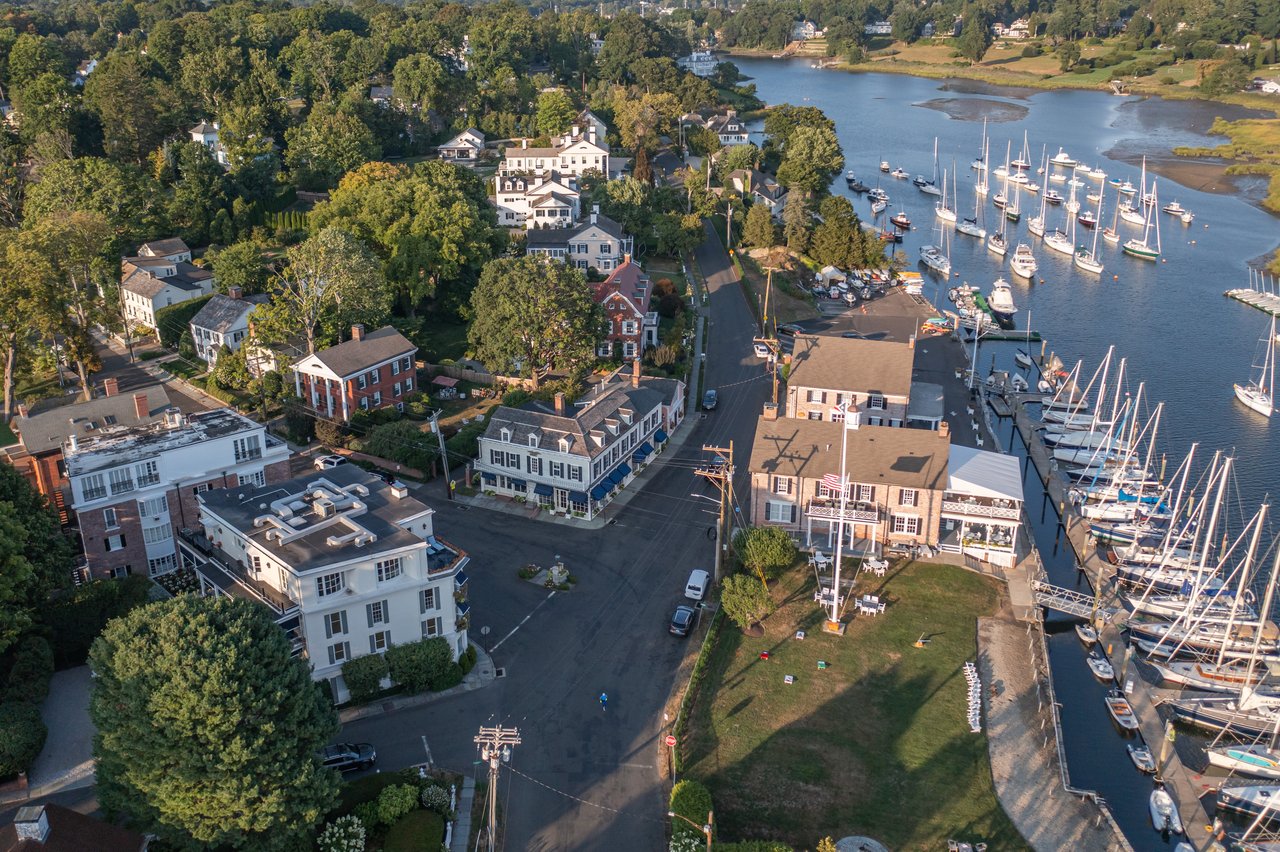
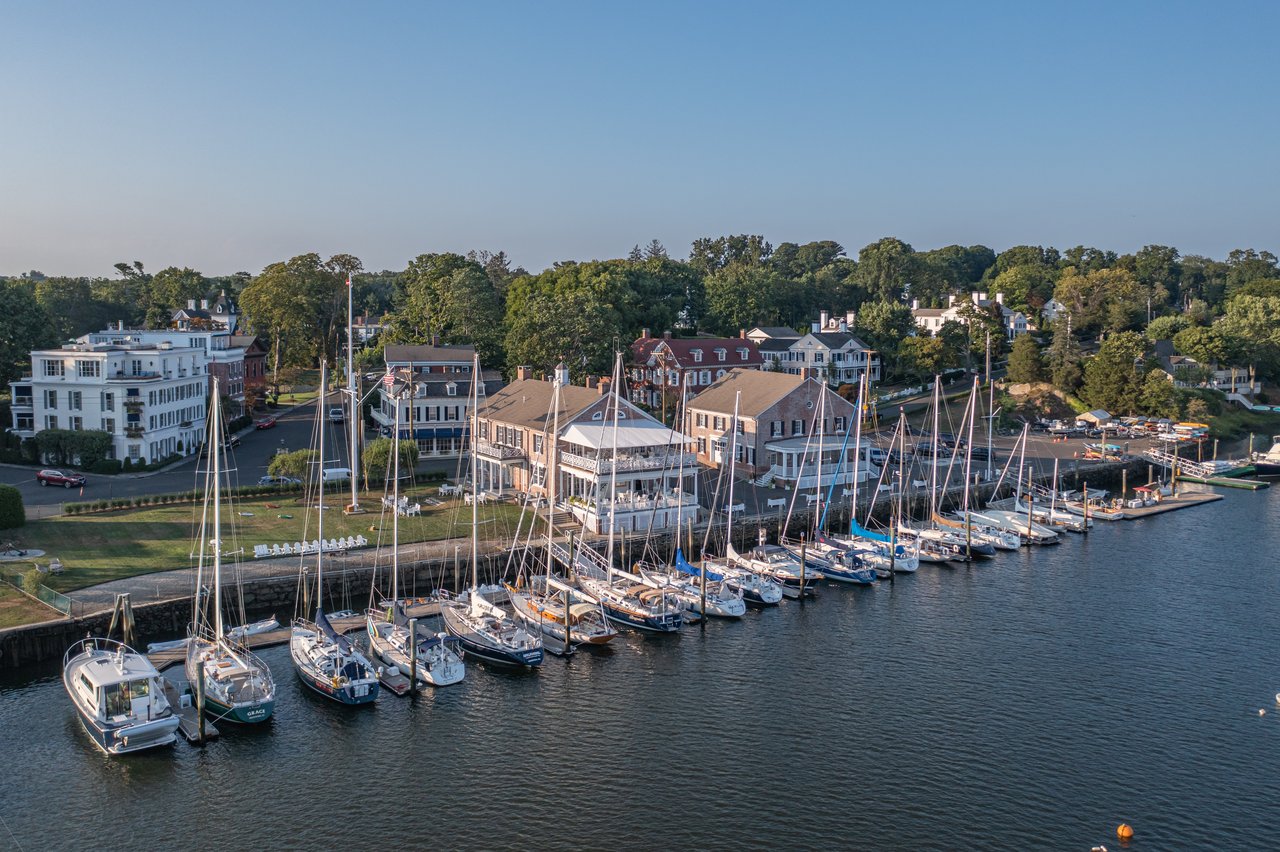
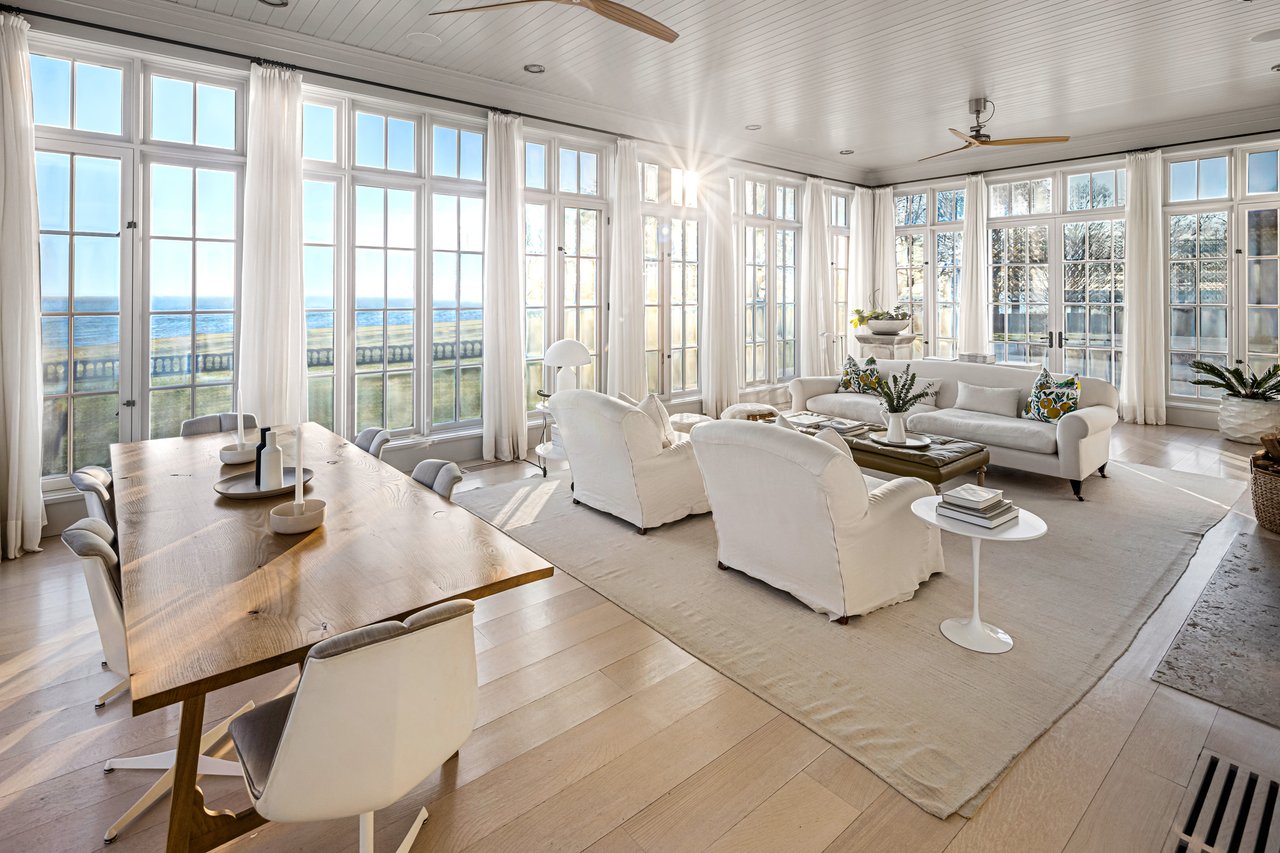
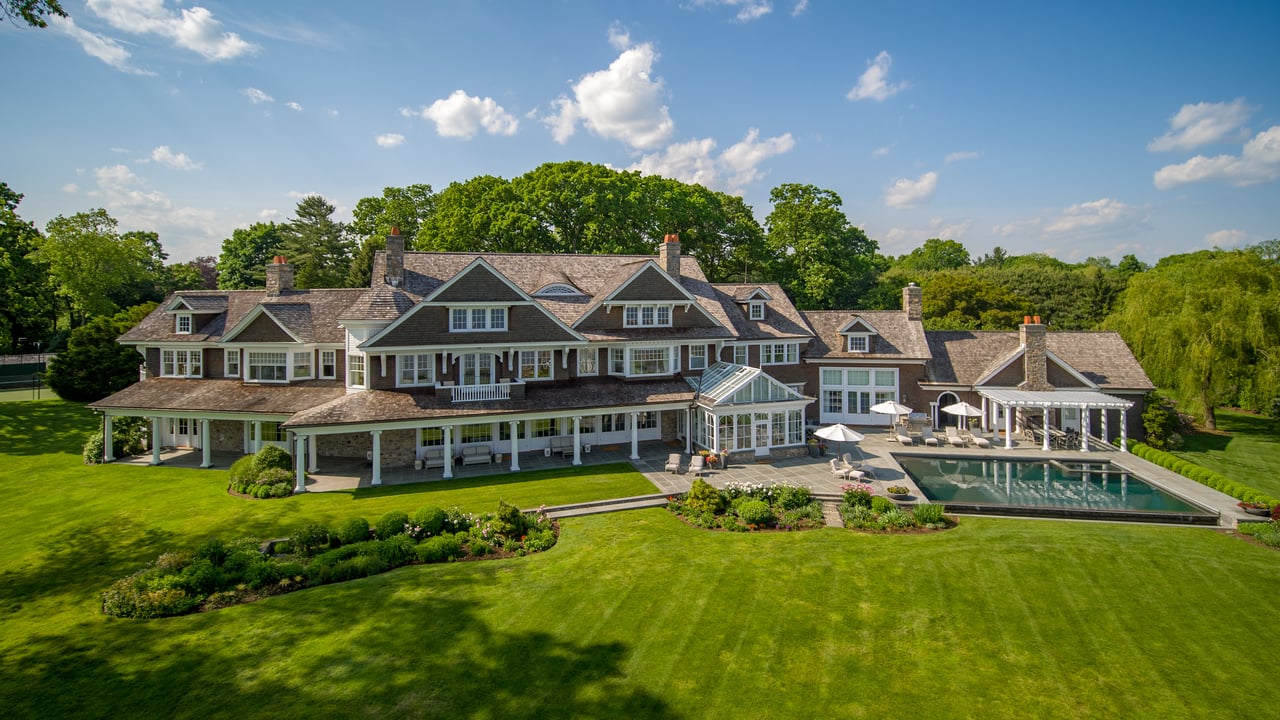
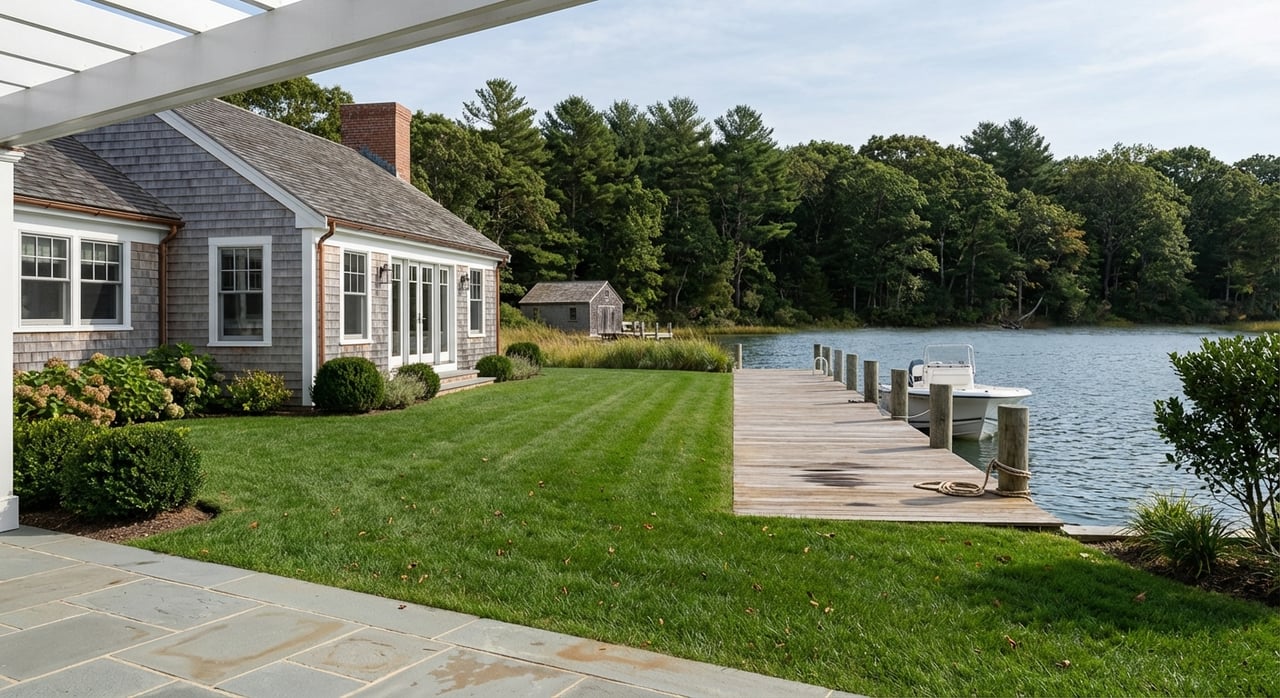
Direct frontage in Compo Beach, Beachside Avenue, or along Saugatuck Shores commands a premium for views, beach or dock access, and proximity to town. Expect a mix of modern rebuilds and renovated classics. For any shoreline or riverfront address, check flood status, ask for an Elevation Certificate if available, and secure insurance quotes early. The town’s floodplain and flood protection information is a good starting place.
Coastal work like docks, seawalls, and major landscaping often requires approvals and ongoing maintenance. Build those timelines and costs into your plan.
In-town and inland
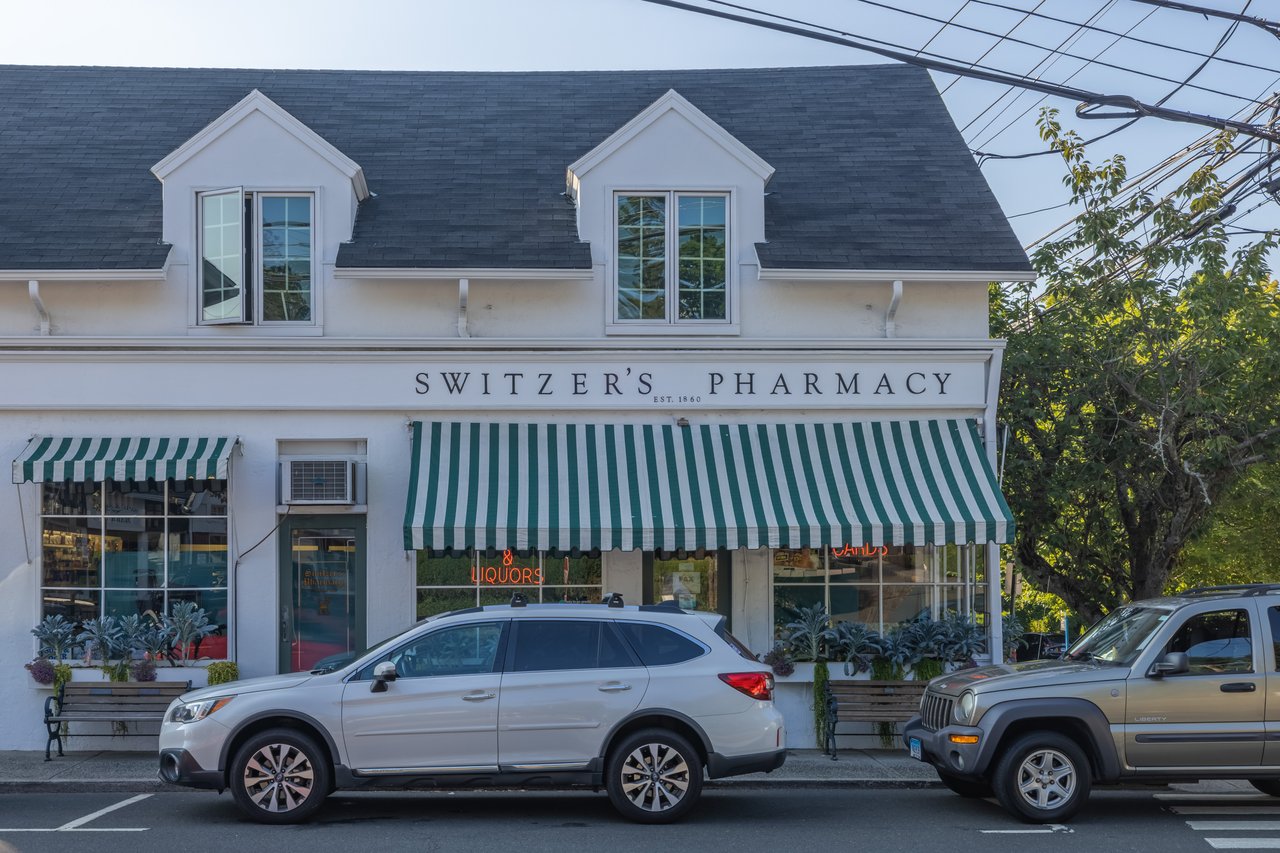
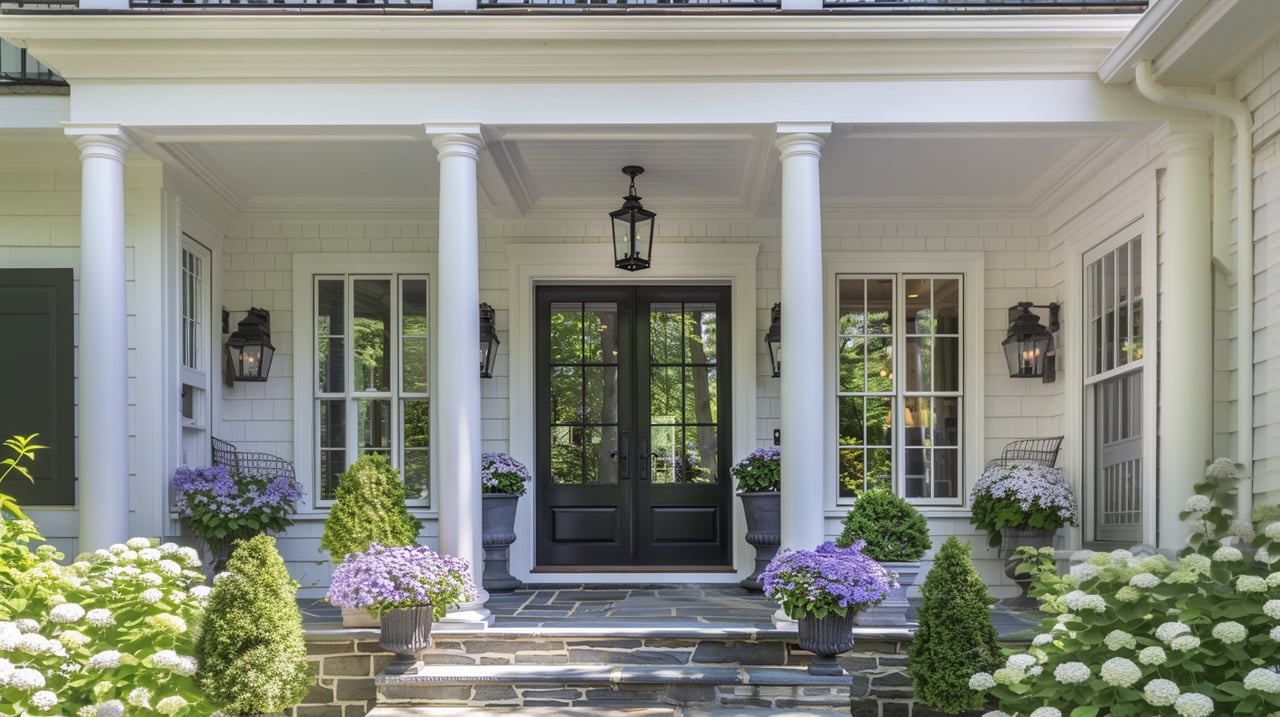
Saugatuck and downtown Westport offer walkable dining, shopping, and quick train access. Inland neighborhoods such as Greens Farms, Old Hill, Coleytown, and areas around Staples provide larger lots and a quieter setting. Your choice comes down to convenience, privacy, and how much you value water access versus space.
Commute and station logistics
Typical rail travel from Westport-area stations to Grand Central runs about 60 to 90 minutes depending on the train. Planning apps show a range of schedules and transfer patterns, which helps you test the specific trains you would ride on your workdays. For a quick view of typical timing, check a trip planner such as Moovit’s Westport schedules.
Station parking matters if you plan weekday trips. Westport’s program details permit types, fees, and daily options in the Railroad Parking FAQ. A permit does not guarantee a space and lots fill on peak mornings, so budget time to observe parking patterns on the days and hours you plan to commute.
Seasonal use and short-term rental rules
Westport is easy to enjoy year-round, with a clear summer surge at the beaches and outdoor venues. If renting is part of your plan, know that Connecticut applies a state Room Occupancy Tax to most short stays. The Department of Revenue Services explains registration and collection, including how platform remittance works.
Local rules are set by the town. Contact Westport’s Planning & Zoning Department early to confirm whether your property and zoning allow short-term rentals and whether permits or approvals are needed. Build insurance, life-safety checks, and any permit timelines into your budget.
Taxes and ongoing costs
Property taxes are based on your assessed value and the town’s mill rate. Westport’s Tax Collector explains billing cycles and how the mill rate is applied in its FAQ. Recent local coverage summarizes mill rate decisions for the 2025–26 fiscal year, which helps you model near-term changes to carrying costs. See the Westport Journal’s report for context.
For coastal properties, layer in seawall or dock upkeep and higher insurance premiums. Seasonal owners should also plan for snow removal, landscaping, and periodic systems checks.
Due diligence checklist
- Flood and insurance. Pull FEMA flood maps for the address, request any Elevation Certificate, and get multiple insurance quotes. See the town’s floodplain page for current guidance.
- Coastal permits and maintenance. Docks, seawalls, and shoreline landscaping often need approvals. Confirm what exists and what is allowed before you buy.
- Commute test. On a weekday, drive from the property to your preferred station, check parking availability, and ride the train you plan to take. Note transfer times and platform changes.
- Short-term rental feasibility. Confirm zoning and permits with Planning & Zoning. Understand Connecticut’s Room Occupancy Tax and your collection responsibilities.
- Property tax math. Use the town’s methodology to estimate taxes from assessed value and the current mill rate. Watch for announced rate changes.
- Lifestyle fit. Verify broadband, service providers, and nearby marinas or club memberships if boating is part of your plan.
- Resale positioning. Consider how features like proximity to town, water access, and lot size will appeal to future buyers.
How we help
Selecting a second home in Westport is as much about fit as it is about price. You benefit from advisors who know the shoreline micro-markets, understand permit and flood nuances, and can discreetly unlock off-market options. Our boutique, privacy-first practice combines deep local knowledge with institutional marketing reach, which helps you find the right house and negotiate with confidence.
When you are ready to explore, we will curate properties that match how you plan to use the home, pressure-test commute and parking, coordinate inspections, and guide you through taxes, insurance, and coastal considerations. Start a confidential conversation with Andrew + Wendy.
FAQs
How long is the Westport-to-Manhattan train commute?
- Typical train times to Grand Central run about 60 to 90 minutes depending on the service and stop. Always test the exact trains you plan to take on your workdays.
Is the Westport market competitive for second homes right now?
- It is active, with median prices in the multimillion range and timing that varies by property type. Turnkey homes can sell faster than niche historic or shoreline homes.
What should I check before buying near the water in Westport?
- Confirm the property’s flood zone, request any Elevation Certificate, compare insurance quotes, and ask about permits for existing docks or seawalls.
Can I rent my Westport home short term when I am not using it?
- Connecticut applies a Room Occupancy Tax to most short stays, and Westport sets local zoning and permit rules. Confirm both before you commit to an STR plan.
How do property taxes work in Westport?
- Taxes are calculated using your assessed value and the town’s mill rate. The Tax Collector’s office outlines billing and how the mill rate applies.
Which neighborhoods are best for walkability and train access?
- Saugatuck and downtown Westport offer the most walkable access to restaurants, shopping, and the train. Waterfront and inland areas trade some walkability for space and privacy.