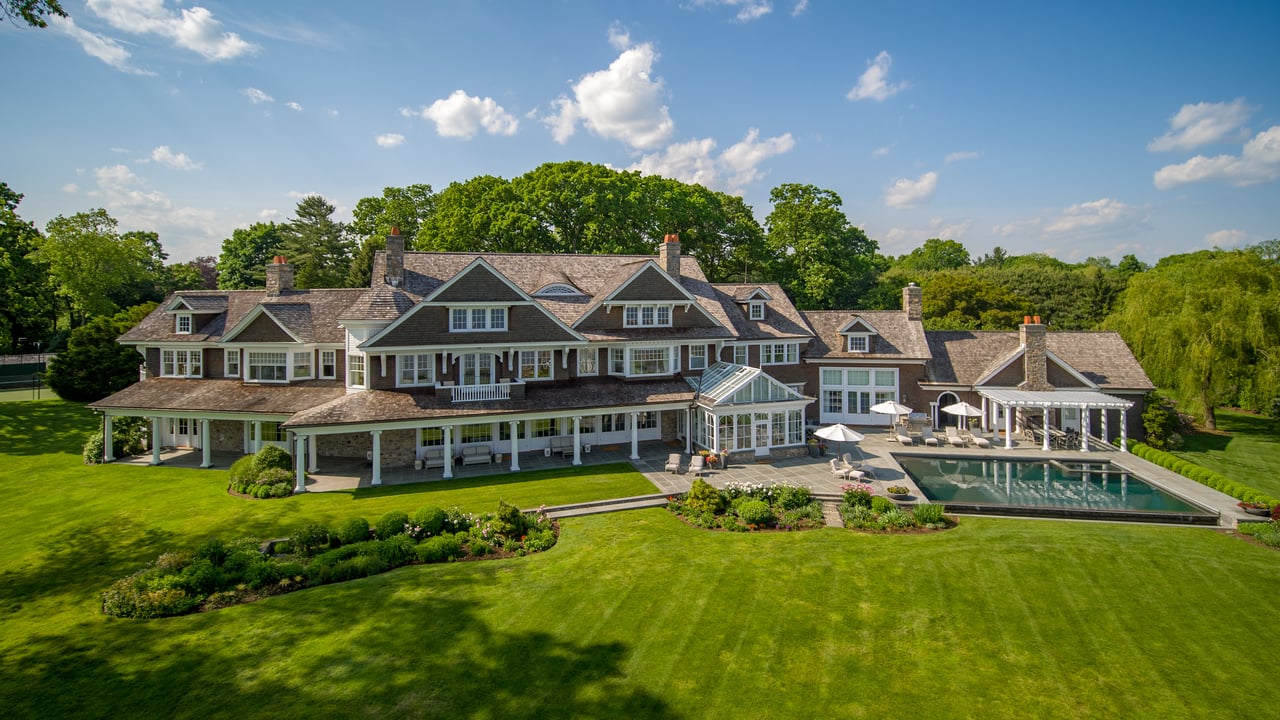
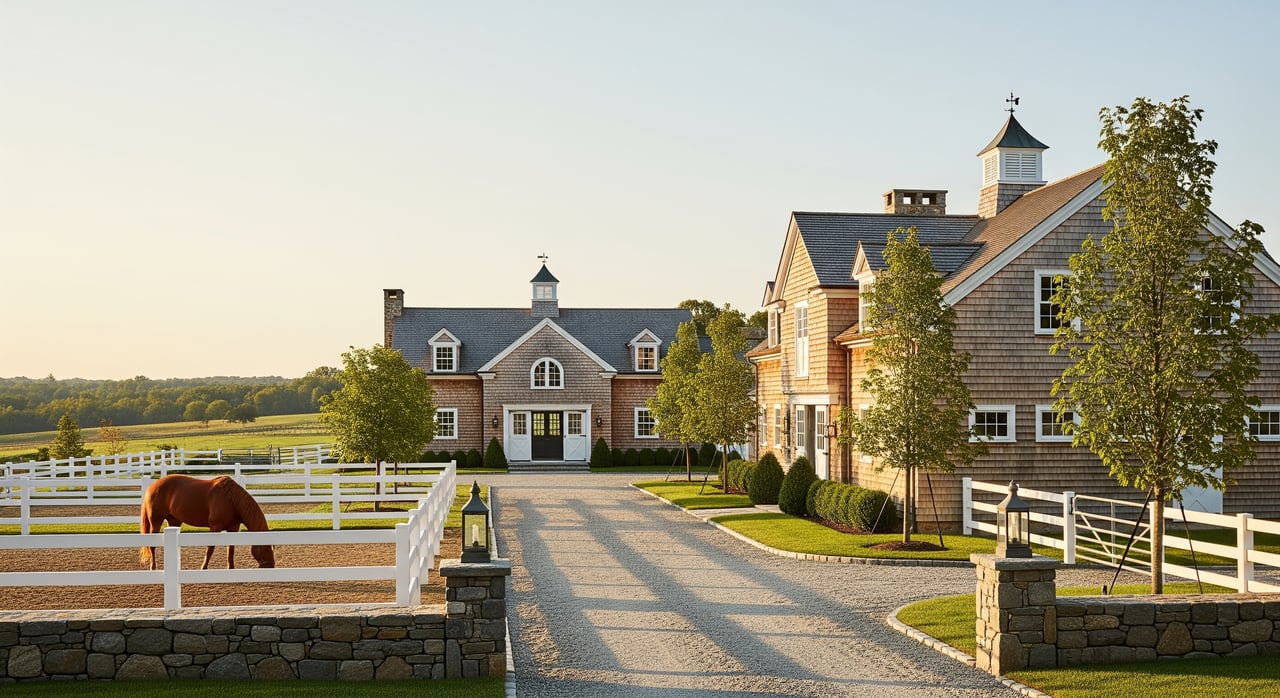
If your ideal Connecticut retreat includes horses, Easton deserves a close look. You want enough land, the right structures, and confidence that zoning and permits will support your plans. In this guide, you’ll learn how much acreage to consider, what to look for in barns and arenas, how Easton treats private versus commercial horse uses, and how to verify everything with the town. Let’s dive in.
Why Easton suits horse owners
Easton is a small, primarily residential town with larger-lot, low-density zoning in many neighborhoods. That rural character can work well for private horse keeping and estate-level riding. Town planning and environmental oversight shape what you can build and where. Expect to engage with Planning & Zoning, the Building Department, Inland Wetlands & Conservation, and the Health Department as you evaluate a property.
How much land you need
Acreage needs vary with your goals. Use the ranges below as planning guidance and confirm with local regulations before you buy.
- Small private keep: Many owners keep 1–2 horses on about 1–5 acres with paddock turnout and supplemental hay. This supports daily exercise and short riding.
- Pasture-based keeping: To support grazing and rotation, plan for roughly 1.5–3 acres of usable pasture per horse. Soil, management, and climate drive the true number.
- Estate riding: If you want larger turnout, trails, and arenas, look for 5–20+ acres.
- Commercial boarding or training: Expect greater acreage and buffers, plus added infrastructure. Zoning often treats these differently than private use.
Land features to value
Choosing the right parcel reduces maintenance and increases usability.
- Slope and drainage: Level to gently sloping fields suit arenas and pasture. Poor drainage or seasonal wet areas reduce usable acreage and increase mud.
- Soil: Soil type affects pasture productivity and septic siting. Plan for soil evaluation and percolation tests if you will expand septic needs.
- Wetlands and buffers: Wetlands can limit where you place paddocks, barns, and arenas due to regulated buffers.
- Shade and tree cover: Shade helps in turnout areas, but large trees near arenas can drop debris and impact footing.
Pasture management basics
A thoughtful layout protects your land and keeps horses comfortable.
- Rotation and rest: Create multiple paddocks and a sacrifice area to protect grass and manage mud.
- Manure management: Designate dry, contained storage with runoff control. Regular removal or composting supports neighbor relations and water quality.
- Fencing and layout: Plan for a catch/turnout paddock near the barn, a separate paddock for novices or isolation, and safe, visible fencing.
Essential equestrian structures
Well-planned improvements make daily care efficient and safe.
Barns and stables
Look for safe, ventilated stalls; a secure roof; proper stall floors and drainage; and dedicated tack and feed rooms. Dry hay storage or a loft reduces spoilage and pests.
Arenas and footing
Outdoor arenas are common and should have grading, drainage, and appropriate footing. Indoor arenas are major investments that can require special permitting and code compliance.
Paddocks and round pens
Daily exercise relies on durable fencing, thoughtful gates, and good surface management in high-traffic areas.
Utilities and access
Plan for reliable water, adequate electrical service, and a driveway that handles horse trailers and emergency vehicles. Fire safety, ventilation, and clear egress are essential.
Private keeping vs. boarding
How you intend to use the property affects approvals and operations.
- Private use: Many residential zones allow limited private horse keeping. The number of animals often relates to lot size and setbacks.
- Commercial boarding or training: Charging board or training fees typically classifies the property as a business. Expect different zoning rules, possible special permits, site plan review, parking and traffic evaluations, and defined manure and runoff standards.
What to verify for boarding potential
- Zoning allowances in the property’s district, including special permits and performance standards.
- Parking and traffic requirements for guests and clients.
- Manure storage, composting, and erosion-control expectations.
- Business licensing, tax implications, and required insurance coverage.
Insurance and liability
Homeowner policies often exclude commercial liabilities and may set conditions for on-site animals. Operators typically carry commercial general liability and equine-specific coverages and use hold-harmless or waiver forms where required.
Easton zoning and permitting checklist
Follow this sequence to reduce surprises and protect your investment.
- Confirm zoning and uses
- Identify the property’s zoning district on the town map and review the Town of Easton Zoning Regulations.
- Ask if private horse keeping is allowed by right and what is required for commercial boarding or training.
- Gather existing documents
- Request permits for barns, arenas, sheds, and any site plans or surveys.
- Ask for records of past violations or complaints related to animals, odor, or runoff.
- Speak with town officials
- Planning & Zoning: Confirm current and proposed uses, and whether expansions or boarding need special permits.
- Building Department: Review permit history and structural requirements for new barns or indoor arenas.
- Inland Wetlands & Conservation: Identify regulated wetlands and required buffers.
- Health Department and Assessor: Discuss septic capacity and farm or open space tax classification.
- Order site and environmental tests
- Septic perc testing and well yield testing if you plan to add housing or intensify use.
- Soil evaluation to understand pasture capacity and constraints.
- Wetland delineation if indicators suggest regulated areas.
- Ask targeted questions
- How many horses are permitted on this lot under current zoning?
- Are there easements, deed restrictions, or HOA covenants affecting horse uses?
- Have there been any past violations or complaints related to stables or boarding?
- What setbacks apply for paddocks and manure storage from wetlands or streams?
- Would boarding require site plan review, a special permit, added parking, or other improvements?
- Have barn and arena structures been permitted and inspected, and are there as-built plans?
On-site buyer checklist
Use this quick list when you walk a property.
- Fencing: Type, condition, height, visibility, and posts set below frost line.
- Barn condition: Roof, framing, ventilation, stall size and drainage, secure doors and hardware, fire safety.
- Drainage and mud control: Sacrifice lot placement, erosion signs, seasonal wet spots, and proximity to wetlands.
- Arena footing and drainage: Base quality, crowning, water management, dust control, and fencing.
- Access and circulation: Driveway grade, trailer turnaround, and legal frontage or access points.
- Utilities and services: Water source, barn electrical capacity, and septic if staff or tenants are planned.
- Neighboring uses: Compatibility with adjacent properties and potential conflicts like heavy traffic or spraying.
- Manure management: Storage location, runoff control, removal frequency, and visual buffers.
- Proximity to care: Practical distance to equine veterinarians, farriers, feed suppliers, and major hospitals for emergency transport.
Costs and operations
Budget for both initial improvements and ongoing care.
- Capital costs: Barn construction or repairs, fencing replacement, arena build and maintenance, drainage work, manure containment, driveway upgrades, and potential well or septic improvements.
- Ongoing costs: Hay and feed, bedding, farrier and veterinary care, pasture maintenance, manure removal, insurance, utilities, and staffing for commercial operations.
- Time commitment: Daily care, fence checks, pasture rotation, and property upkeep require hands-on management or reliable staff.
Local and state resources
When you are ready to formalize plans, connect early with the right offices and advisors.
- Town of Easton: Planning & Zoning, Building Department, Inland Wetlands & Conservation Commission, Assessor’s Office.
- UConn Extension and the Connecticut Department of Agriculture: Pasture and manure management guidance and information on farm classification.
- Connecticut DEEP: Wetlands and water-quality best practices.
- NRCS/USDA Web Soil Survey: Soil mapping and pasture suitability.
- Local professionals: Equine veterinarians, farriers, trainers, and experienced boarding operators.
- Real-estate attorney or land-use consultant: For deed restrictions, easements, and special permit pathways.
Next steps
If Easton fits your vision, focus on a parcel with the right soils, drainage, and buffers, then confirm zoning and permitting before you commit. A clear plan for barns, paddocks, arenas, and manure management will make approvals smoother and everyday care easier. When privacy, discretion, and careful due diligence matter, partner with a team that can quietly surface the right options and manage a seamless path from search to closing.
Ready to refine your search or evaluate a specific property in Easton? Connect with Andrew + Wendy for confidential guidance tailored to your goals.
FAQs
How many horses can I keep on an Easton property?
- There is no single rule across town; limits often relate to lot size, setbacks, and nuisance standards. Confirm allowances for your zoning district with Easton officials and review pasture capacity.
Can I run a boarding business from a home property in Easton?
- Possibly. Many towns require a special permit and site plan review for commercial stables, with standards for parking, traffic, and manure management. Verify your zone’s provisions and approval path.
Do barns and arenas in Easton need building permits?
- Yes in most cases. The Building Department can confirm permits, code requirements, and whether an indoor arena would be treated as an assembly-type structure.
Will owning horses change my property taxes in Easton?
- It can. Connecticut offers farm, forest, and open-space classifications that may reduce taxes if criteria are met. Discuss eligibility with the Assessor and state agriculture resources.
How can I reduce odor, flies, and runoff near neighbors in Easton?
- Plan for covered manure storage on high, dry ground with runoff controls, schedule regular removal or composting, use buffer plantings, and keep sacrifice areas well drained to minimize mud and odor.