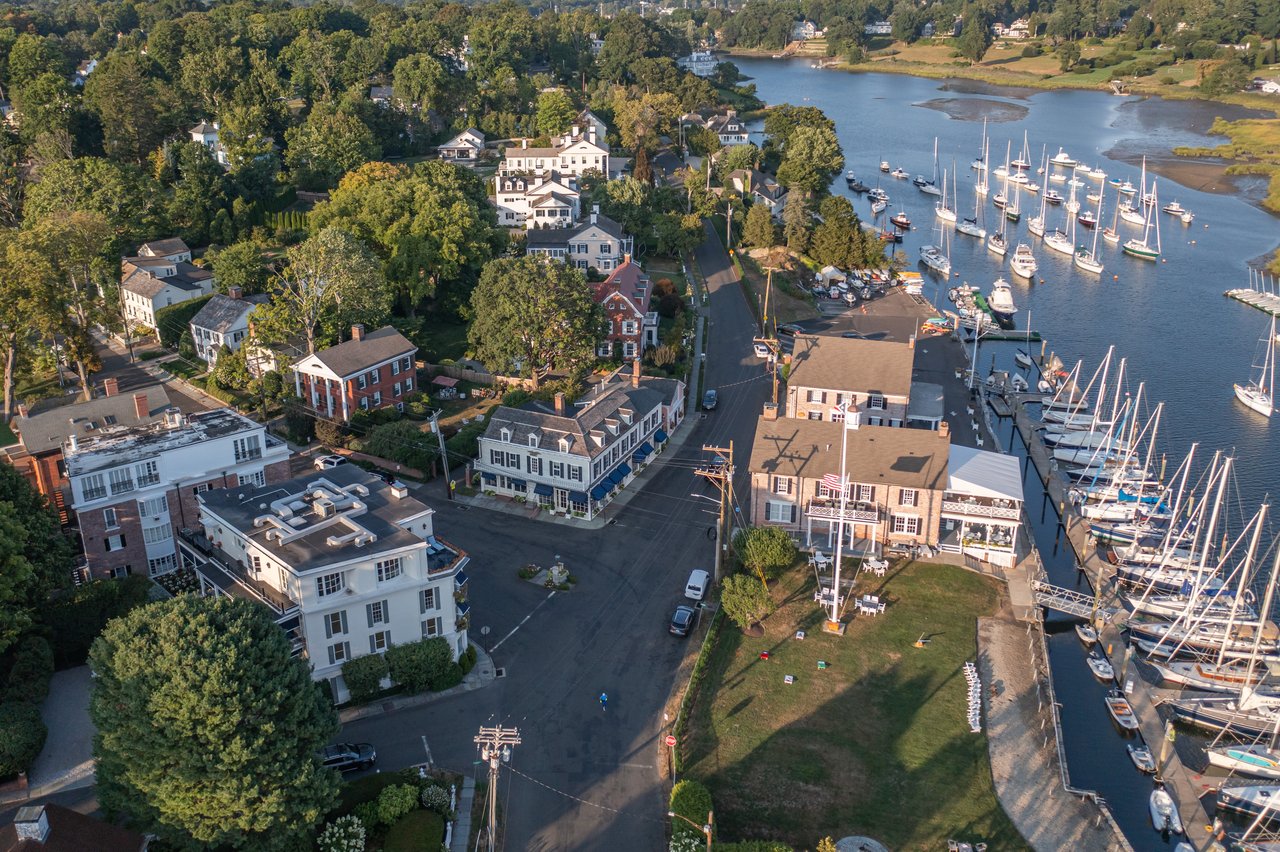
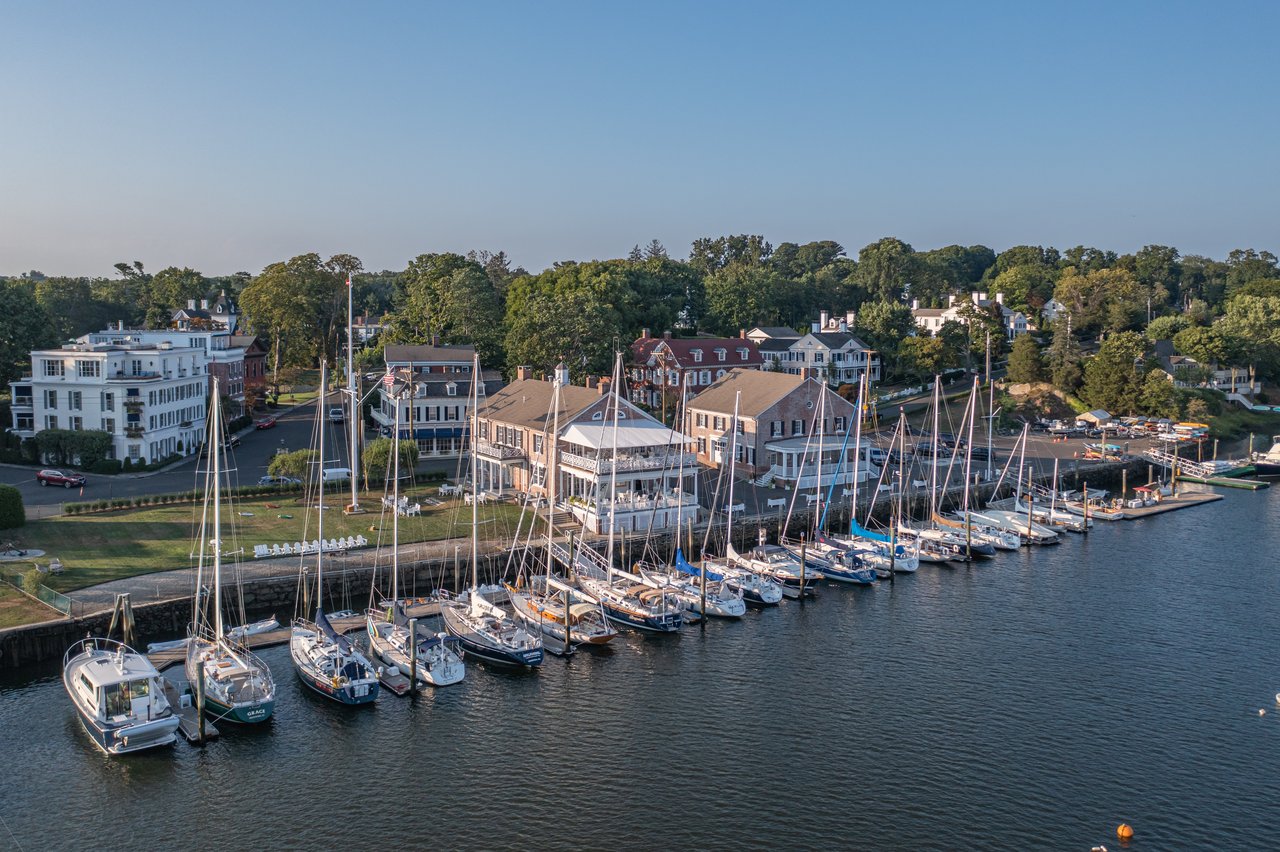
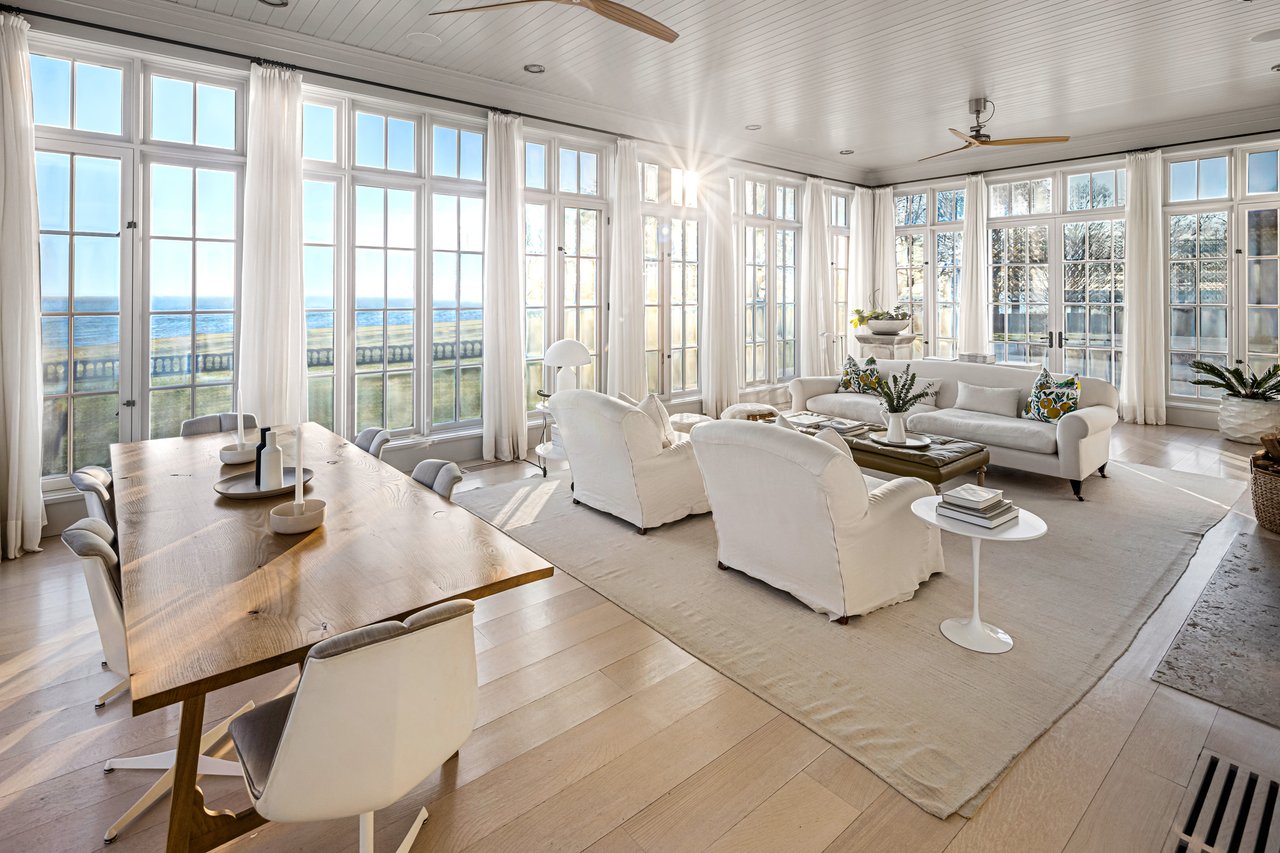
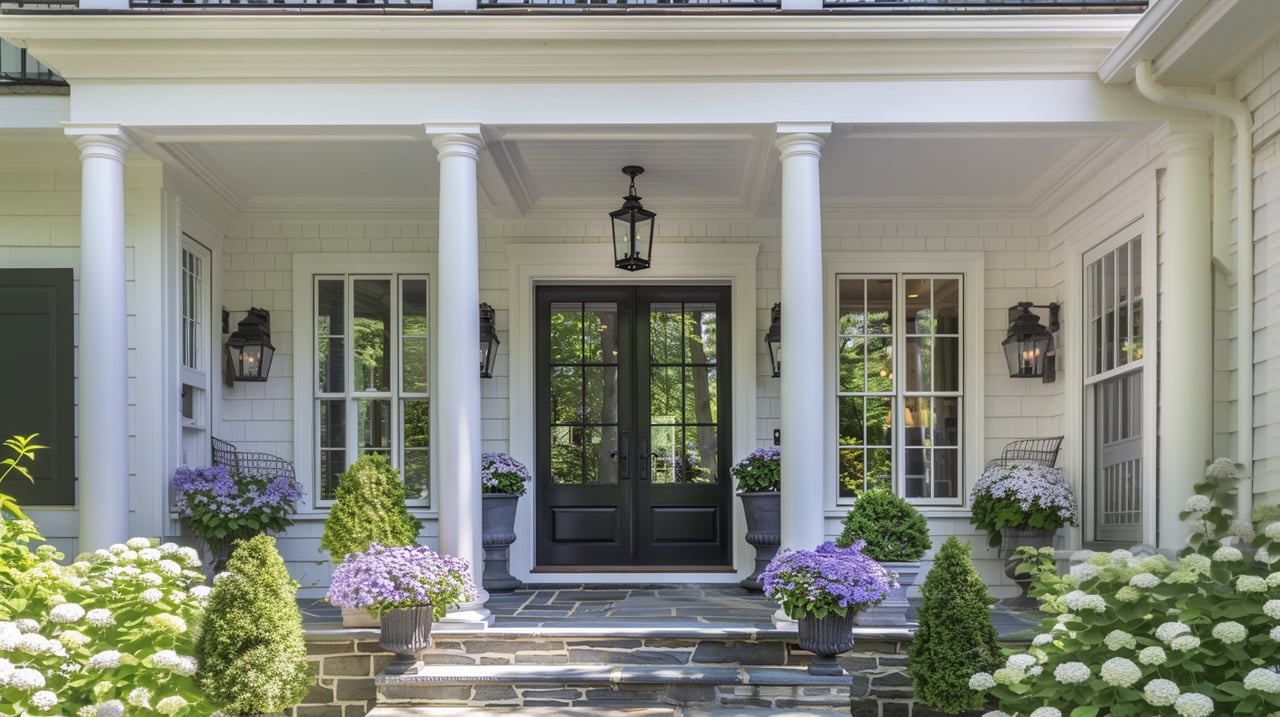
Are you dreaming of a shoreline lifestyle in Fairfield but unsure where to focus? You are not alone. The coast stretches across several distinct enclaves, each with its own feel, housing mix, beach access, and commute profile. In this guide, you will learn how Sasco Hill, Fairfield Beach, and South Pine Creek compare so you can choose the fit that matches your priorities, from walk-to-beach convenience to bigger lots or quieter creekside living. Let’s dive in.
The quick match-by-lifestyle snapshot
- Sasco Hill: Larger lots and a more residential feel with select elevated homes that capture Long Island Sound views. Good if you want space, privacy, and proximity to the coast without living on the beach strip itself.
- Fairfield Beach (Jennings Beach area): Walk-to-beach lifestyle with a lively, central shoreline scene and denser housing. Ideal if you want to be steps from Jennings Beach and close to downtown amenities.
- South Pine Creek: A quieter creek-and-cove setting with cottage-scale homes and small-water access. Consider this if kayaking or a sheltered waterfront vibe is your priority.
Neighborhood deep dive
Sasco Hill
Character and setting. Sasco Hill runs along the coast west of downtown, near Sasco Creek and Sasco Point. Many parcels sit on or near the hill, which can provide broader inland and Sound views. The feel is residential and composed, with a less transient rhythm than the central beach strip.
Homes and lots. You will find a mix of mid-century and later single-family homes, plus renovated and custom builds. Architecture ranges from ranches and Capes to substantial two-story residences. Lots trend larger than the narrow beach blocks, which helps if you value yard space and interior square footage.
Beach access. You are close to Sasco-area shoreline access. Rules for parking, permits, and seasonal operations are set by the Town. Review current beach regulations and permits on the Town of Fairfield site for specifics on lifeguards, restrooms, and parking availability during peak months.
Commuting. Driving to the Fairfield or Southport Metro-North stations is straightforward. Peak express trains on the New Haven Line to Manhattan typically run about 50 to 65 minutes depending on stops, with locals taking longer. I‑95 and Route 15 provide regional access, though peak travel varies.
Buyer watchouts. Parcels closer to Sasco Creek can sit within coastal floodplains. Confirm the flood zone and elevation for any property under consideration, and secure flood and homeowners insurance quotes early.
Fairfield Beach (Jennings Beach and adjacent blocks)
Character and setting. This is the town’s primary beach corridor near downtown. Jennings Beach serves as a central community anchor, and nearby parks and marina amenities add to the coastal activity. The area is more walkable and denser than Sasco Hill.
Homes and lots. Expect smaller lots near the shore. Many original beach cottages have been renovated into year-round residences, and you will also see condos, multi-unit buildings, and single-family homes. The streets are active in warm months, with more foot traffic and seasonal events.
Beach access. Jennings Beach is town managed with seasonal lifeguards and parking policies. For current rules on permits, capacity, and amenities, check the Town of Fairfield beach and recreation pages. These policies affect day-to-day convenience and guest access in summer.
Commuting. Fairfield station is close by for an easy rail option. Trains to Grand Central typically take 50 to 65 minutes on peak expresses depending on stop patterns. Local driving options include Route 1 and I‑95, with traffic varying by time of day.
Buyer watchouts. Direct shoreline parcels face higher storm and tidal exposure and often require flood insurance. Noise, summer parking, and visitor traffic can be factors, so confirm local rules and seasonal conditions before you commit.
South Pine Creek
Character and setting. South Pine Creek is a calmer, creek-focused area on the eastern side of the coastline extending toward Southport. Expect a quieter pace with a mix of waterfront and near-water properties along creeks and coves.
Homes and lots. The housing stock skews toward modest single-family homes and cottage-scale waterfront residences. Some parcels include small water access or private docks. Renovations are common where buyers elevate older structures for modern living.
Beach and water access. You can enjoy sheltered waters, which appeal to small boating and kayaking. Public beach access and parking rules are managed by the Town, and creekside parcels may have separate dock or shoreline considerations.
Commuting. Depending on location, Fairfield or Southport stations are logical choices for the New Haven Line. I‑95 access is convenient, with Route 15 as an inland alternative. Always check actual peak-hour travel for a realistic daily plan.
Buyer watchouts. Creekside parcels can sit in higher risk tidal flood zones and may involve wetland or shoreline setback regulations. Budget time to understand conservation reviews and permit histories before planning any changes.
Beach access and seasonal rules
Fairfield’s beaches are town managed with posted operations during the season. Jennings Beach is the primary public hub, with lifeguards in season and parking controlled through resident permits and passes. Policies can change year to year, including capacity limits, rates, and hours. Review the latest beach and parking information on the Town of Fairfield website for accurate guidance on permits, guest passes, and facilities.
- For beach operations and permits, start with the Town of Fairfield beach and recreation pages.
- For commuter parking options, consult the Town for rules on lots and waitlists near the train stations.
Flood zones, insurance, and coastal resiliency
If you are buying along the coast or a creek, flood risk and elevation are central to due diligence.
- Verify the flood zone. Use the FEMA Flood Map Service Center to check whether a parcel is in a Special Flood Hazard Area, such as zones AE, A, or V. Lenders generally require flood insurance for structures with federally backed loans in these zones.
- Get the elevation certificate. The base flood elevation helps determine building requirements and insurance pricing. A licensed surveyor can prepare an elevation certificate, which many lenders and insurers will request.
- Consider long-term exposure. Review NOAA sea level rise mapping for a broader view of future conditions along Long Island Sound.
- Plan for permits. Shoreline work such as docks, riprap, or seawalls typically requires local review and state authorization. Learn more through Connecticut DEEP coastal permitting.
- Price insurance early. NFIP policies are common in these zones, though private flood insurers may offer alternatives. Coastal properties can also see higher homeowners premiums due to wind and salt-air exposure, so gather quotes upfront.
Commuting and mobility
Fairfield is served by the New Haven Line of Metro-North. Depending on stop pattern, peak express trains to Manhattan often take about 50 to 65 minutes. For current timetables, station details, and updates, check the Metro-North New Haven Line.
By car, I‑95 runs along the coast with Route 15 as an inland option. Peak times can vary significantly. For official updates and planned projects, use CTDOT traffic and projects. If you plan to park at the station, review Fairfield’s commuter parking rules and permit processes on the Town of Fairfield site.
What homes look like and how the market behaves
- Shoreline blocks. Many early- and mid-20th-century cottages have been rebuilt or lifted to meet elevation requirements. You will find a blend of renovated cottages, new construction, and some multi-unit or condo buildings closer to downtown and the beach corridors.
- Elevated or inland parcels near the shore. In areas like Sasco Hill, larger single-family houses and modern builds are common, and expansion can be more straightforward compared with direct shoreline parcels.
- Market dynamics. Waterfront and near-water properties tend to command a premium over inland Fairfield. Seasonal demand often rises in spring and summer, and short-term rental policies can influence pricing and community character. For the latest median prices and inventory, rely on local MLS data and current market reports.
Your coastal due diligence checklist
Use this simple checklist to cover the essentials before you make an offer.
- Flood zone confirmation, plus an elevation certificate from a licensed surveyor.
- Flood and homeowners insurance pre-quotes based on the property’s elevation and replacement cost.
- Home inspection with special attention to salt-air corrosion, HVAC units, hot water heater, and electrical panels.
- Structural review that focuses on foundation and, if applicable, bulkhead or riprap condition and maintenance obligations.
- If present, dock, pier, or seawall permit history from the Town and CT DEEP, plus ownership and maintenance responsibilities.
- Utility confirmation, including whether the property is on public sewer or a septic system and the status of any required inspections.
- Zoning review for setback rules, height limits, coastal overlays, and any conservation or wetland constraints.
- Association or beach-access covenants that may affect parking, usage, short-term rentals, or renovations.
- Commuting plan that includes train schedules, station parking options, and realistic peak-hour drive times.
How we help you buy well on the coast
Choosing between Sasco Hill, Fairfield Beach, and South Pine Creek comes down to lifestyle priorities, build plans, and risk tolerance. You deserve an advisor who understands parcel-by-parcel nuance, from flood elevations and permit history to seasonal dynamics and off-market opportunities. Our approach is boutique and private, with a focus on smart positioning and long-term stewardship of coastal assets. If you are weighing options or want discreet access to upcoming shoreline listings, connect with Andrew + Wendy for a confidential conversation.
Resources
FAQs
What is the main difference between Sasco Hill and Fairfield Beach for buyers?
- Sasco Hill offers larger lots and a more residential environment with select elevated views, while Fairfield Beach is denser and more walkable to Jennings Beach and downtown amenities.
Do Fairfield Beach homes always require flood insurance?
- Not always, but many shoreline parcels are in Special Flood Hazard Areas where lenders require flood insurance. Confirm the parcel’s FEMA zone and obtain an elevation certificate before deciding.
How long is the train commute from Fairfield to NYC on Metro-North?
- Peak express trains on the New Haven Line typically take about 50 to 65 minutes to Grand Central, with local trains taking longer. Check schedules for your specific departure time.
Are docks or seawalls easy to add to a South Pine Creek property?
- Shoreline work often requires local review and state authorization. Consult the Town and the Connecticut DEEP for permits, and confirm any existing structure’s permit history and maintenance responsibilities.
What inspections are essential for a coastal home in Fairfield?
- In addition to a full home inspection, prioritize checks for salt-air corrosion on HVAC and metal systems, moisture or mold concerns, foundation integrity, and any shoreline structures such as bulkheads or docks.
Where can I find current rules for Jennings Beach parking and permits?
- Visit the Town of Fairfield website for up-to-date beach operations, permit requirements, seasonal capacity, guest passes, and lifeguard schedules.