Thinking about adding a guest house or in‑law suite to your Easton property? You are not alone. Many homeowners want flexible space for extended family, guests, or future resale value, but the rules can feel complex. This guide clarifies what Easton typically allows, who approves each step, how the owner affidavit works, and the site planning basics for wells, septic, setbacks, and parking. You will walk away with a clear checklist, realistic timelines, and practical tips to avoid delays. Let’s dive in.
What counts as an ADU or guest house
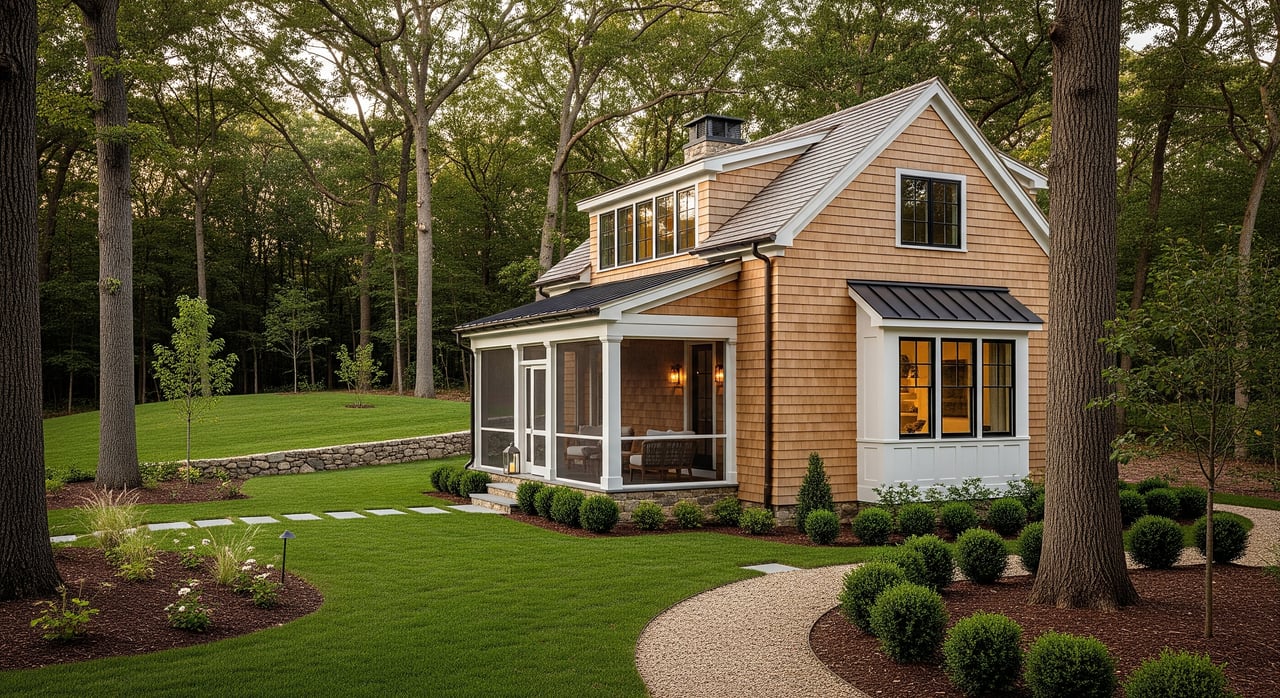
An accessory dwelling unit, often called an accessory apartment, in‑law suite, or guest house, is a smaller secondary dwelling that is subordinate to your main home. It can be inside the existing house, attached as an addition, or located in a detached structure on the same lot. The details that matter most are size, bedroom count, location on the lot, and how it connects to utilities and parking.
In Easton, accessory apartments are governed by the Town’s zoning regulations. Rules can differ by zoning district and may include limits on unit size, number of bedrooms, lot coverage, and where a detached unit can sit. Because town requirements change over time, you should confirm the exact standards with Easton’s Planning and Zoning staff and the Zoning Enforcement Officer before you design anything.
Who approves what in Easton
Several offices review an ADU in sequence. Understanding each role will help you plan your path and schedule.
- Zoning: The Town’s Zoning Enforcement Officer and the Planning and Zoning Commission review use, setbacks, size, parking, and any special conditions. Your local zoning regulations and application forms are the primary authority for what is allowed.
- Health and sanitation: The local health official or regional health district reviews your well and septic capacity. If your plan adds bedrooms or an independent dwelling, septic flow must support it. Testing, engineering, and upgrades may be required.
- Building and safety: The Building Official issues the building permit and inspects for the Connecticut State Building Code. Life safety items like egress, fire separation, and smoke and CO detectors are part of this review.
- Environmental: If wetlands, watercourses, steep slopes, or floodplains are involved, additional review may be needed. Expect to consult local wetlands staff if your site is constrained.
The approval path in Easton
The process is predictable if you follow it step by step and coordinate early with zoning and health.
Start with a zoning check
Confirm your zoning district and whether accessory apartments are permitted by right or require a special permit. Ask about unit size caps, bedroom limits, height, coverage, and any owner occupancy requirements. Note any setback rules for detached structures and whether interior conversions are treated differently from new buildings.
Schedule a pre‑application conversation
A short meeting or call with the Zoning Enforcement Officer can surface site constraints and required documents. Bring a copy of your deed or assessor card, any existing survey, and a rough sketch of your idea. Ask what will be needed for health review and how to show parking and access on your plan.
Prepare and submit your application
Most applications include a zoning form for an accessory apartment or a special permit and site plan if required. You will likely need a signed owner affidavit, floor plans, elevations if the exterior is changing, and a site plan showing distances to lot lines, the well, the septic tank and leach field, driveways, and parking. The town may request a current survey signed by a licensed surveyor.
Obtain health review and approval
The sanitarian will confirm your septic design flow and well separation distances. If the existing septic is undersized for the proposed bedrooms, you will need perc testing and an engineered design to upgrade the system. Coordinate with a licensed septic designer early to avoid surprises.
Receive the zoning decision
Zoning staff or the commission will check compliance with setbacks, size, design, and parking. If a special permit or variance is required, expect public notice and a hearing. Approvals can include conditions such as owner occupancy, limits on the number of occupants, or restrictions on separate sale of the unit.
Apply for the building permit
After zoning and health approvals, submit for a building permit. The Building Official will review code items, including egress windows, fire separation between units, and smoke and CO alarms. Inspections will follow during construction.
Final certificate of occupancy and recordation
You will receive a certificate of occupancy once all conditions are met. Some approvals require recording an affidavit or deed restriction that confirms nonseverability and any occupancy conditions. The Town Clerk can advise on recording procedures.
Owner affidavit, simply explained
Many towns require an owner affidavit with accessory apartments. It is straightforward but important. You are typically signing that you understand and will follow specific conditions.
What an affidavit commonly includes:
- Confirmation that you are the owner of record and that you will occupy either the main house or the accessory unit if owner occupancy is required.
- A statement that the ADU is subordinate to the main dwelling and will not be sold separately.
- Acknowledgment that the project must comply with septic and well rules and that you will secure all necessary approvals.
- Agreement to any limits on occupancy, parking, and how the unit is addressed or metered.
- Signature and notarization, and instructions for recording if required.
Ask Planning and Zoning whether the affidavit must be recorded with the Town Clerk and whether it renews or runs with the land.
Site planning essentials for Easton
A thoughtful site plan can shorten your timeline and reduce risk. Focus first on septic capacity, well separations, and setbacks.
Septic capacity and design flow
Your existing septic approval establishes how many bedrooms your system can support. Adding a separate unit often increases design flow. If your current system is undersized, you will need perc testing and a new engineered plan. Engage a licensed septic designer early, price upgrades realistically, and build this step into your schedule.
Private well location and separation distances
Wells must meet state and local separation distances from septic tanks and leach fields, and sometimes from structures, property lines, and watercourses. Show well and septic locations on your site plan with measured distances. If you plan a self‑contained detached unit, consider how you will provide potable water and whether your pump and treatment capacity is sufficient.
Setbacks, coverage, and placement
Zoning setbacks govern how close your structure can be to front, side, and rear property lines. Detached guest houses may also be limited by building height or lot coverage. If space is tight, an interior conversion or an attached unit can reduce setback risks. Use a survey‑based plan that clearly shows distances and any regulated areas.
Parking and access
Towns often require off‑street parking per unit or per bedroom. Show the number of spaces, where they fit, and how cars will maneuver on the property. If you plan to widen a driveway or add paving, include it on your plan and consider drainage and erosion controls.
Utilities and services
Decide whether the ADU will share utility meters with the main house or have separate meters. Separate metering can affect how the town treats the unit and could impact taxation. Clarify your approach early so it matches town policy and your long‑term goals.
Environmental constraints
Wetlands, watercourses, and steep slopes can limit where you build. If your lot includes regulated areas, talk with staff early and expect additional review. Avoid placing a detached unit in a buffer area or too close to wells or septic components.
Design choices that ease approval
Keep the unit within the existing footprint or attached to the main house when possible. Limit bedroom count to fit your septic capacity. Align exterior materials and scale with the principal home to underscore that the ADU is subordinate. These choices often simplify review and neighbor concerns.
Your application checklist
Use this working list to organize your submittal. The town’s packet will specify exactly what is required.
- Completed accessory apartment or special permit application
- Signed owner affidavit, notarized, with recording instructions if required
- Current deed and proof of ownership
- Current property survey by a licensed surveyor
- Scaled site plan showing the main house, proposed ADU, setbacks, well, septic, drives, and parking
- Floor plans and elevations that show unit size and bedroom count
- Septic status letter, perc test results if needed, and engineered septic design or upgrade plan
- Well location and capacity notes if applicable
- Stormwater or erosion control plan for new construction or site disturbance
- Application fee and any escrow for peer review
- Abutter notifications if a public hearing is required
- Building permit application after zoning and health approvals
Typical timeline in Easton
Project duration depends on location, design, and septic needs. Plan conservatively and sequence your steps.
- Pre‑application conversation: 1 to 4 weeks to schedule and complete
- Application completeness review: 2 to 4 weeks once submitted
- Public notice and hearing, if needed: add 3 to 8 weeks based on meeting schedules
- Health review for septic and well: several weeks to months if testing and design are required
- Building permit issuance: 2 to 6 weeks depending on plan review and workload
Overall, interior conversions can be completed in roughly 2 to 6 months. Detached units that require septic upgrades or relief from standards can extend to 6 to 12 months or longer.
Fees and budgeting
Town application fees vary by submittal type. You may also see escrows for peer reviews. The largest potential cost drivers are septic upgrades, new well work, site grading, and utility changes. Confirm the fee schedule with Planning and Zoning and price engineering and construction with vendors who understand Easton’s process.
Avoid common pitfalls
You can save significant time and money by sidestepping a few frequent issues.
- Do not assume your septic can handle added bedrooms. Verify the approved design flow and engage a septic designer early.
- Do not skip the owner affidavit or recording step if it is a condition of approval. Missing documents can delay your certificate of occupancy.
- Do not submit an incomplete site plan. A current survey that shows structures, well, septic, and setbacks is often essential.
- Do not propose a separate address or metering scheme without confirming town policy. This can change how the unit is treated and may add scrutiny.
- Do not site a detached unit in or near a regulated wetland buffer or too close to septic and wells. Early vetting avoids redesign later.
Discreet guidance for your property
Every Easton lot is unique. The fastest path usually combines early conversations with Planning and Zoning, coordinated septic and well analysis, and a clean, survey‑based site plan. If you want a quiet, well‑managed process that protects privacy and positions your property for long‑term value, our team can help you plan the right scope and connect you with trusted local professionals.
Ready to refine your ADU or guest house plan, or to understand how an accessory apartment could impact resale value? Request a Confidential Home Valuation with Unknown Company and have a private conversation about next steps.
FAQs
What is the difference between an ADU and a guest house in Easton?
- In local practice they are both accessory dwellings that are subordinate to the main home. The zoning regulations set limits on size, bedrooms, location, and whether a detached or interior unit is allowed. Confirm exact definitions with Planning and Zoning.
Do I need to upgrade my septic for an ADU in Easton?
- If your plan increases bedroom count or design flow beyond the existing approval, the local health official will likely require testing and an engineered upgrade. Check septic capacity early to avoid delays.
Is owner occupancy required for an accessory apartment in Easton?
- Some towns require the owner to live in either the main house or the accessory unit. Easton’s current rule should be confirmed with the Zoning Enforcement Officer, and any requirement is typically documented in an owner affidavit.
Can a detached guest house be separately sold in Easton?
- Accessory dwellings are commonly nonseverable. Approvals often include a recorded condition stating that the ADU cannot be sold separately from the principal dwelling. Expect to confirm this in your owner affidavit.
How long does it take to get approval for an ADU in Easton?
- Simple interior conversions can run 2 to 6 months. Detached units with septic work or special permits can take 6 to 12 months or more. Health review and engineering are the biggest schedule drivers.
What drawings and documents will Easton require for an ADU application?
- You will typically submit an application form, owner affidavit, current survey, site plan, floor plans and elevations, septic documentation, proof of ownership, and fees. The town’s packet will list each required item.