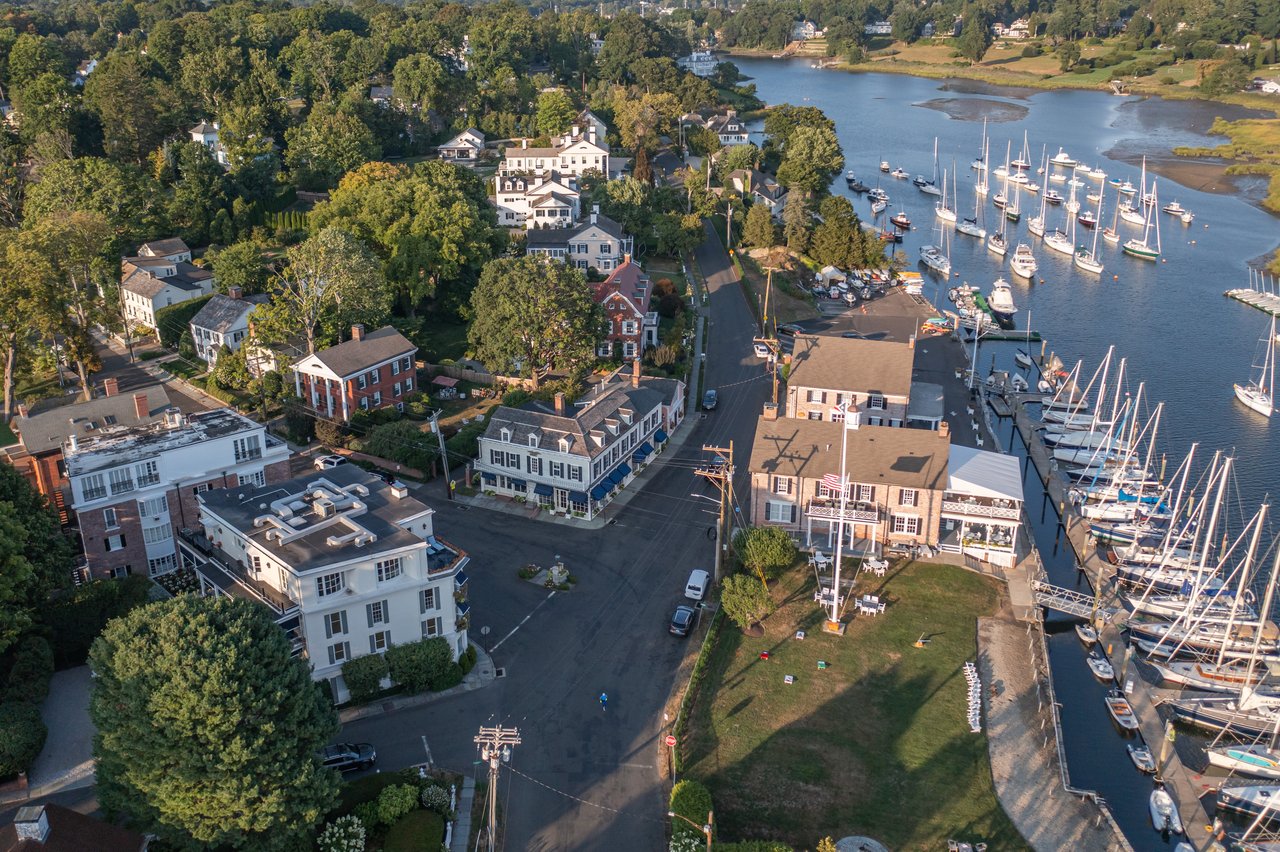
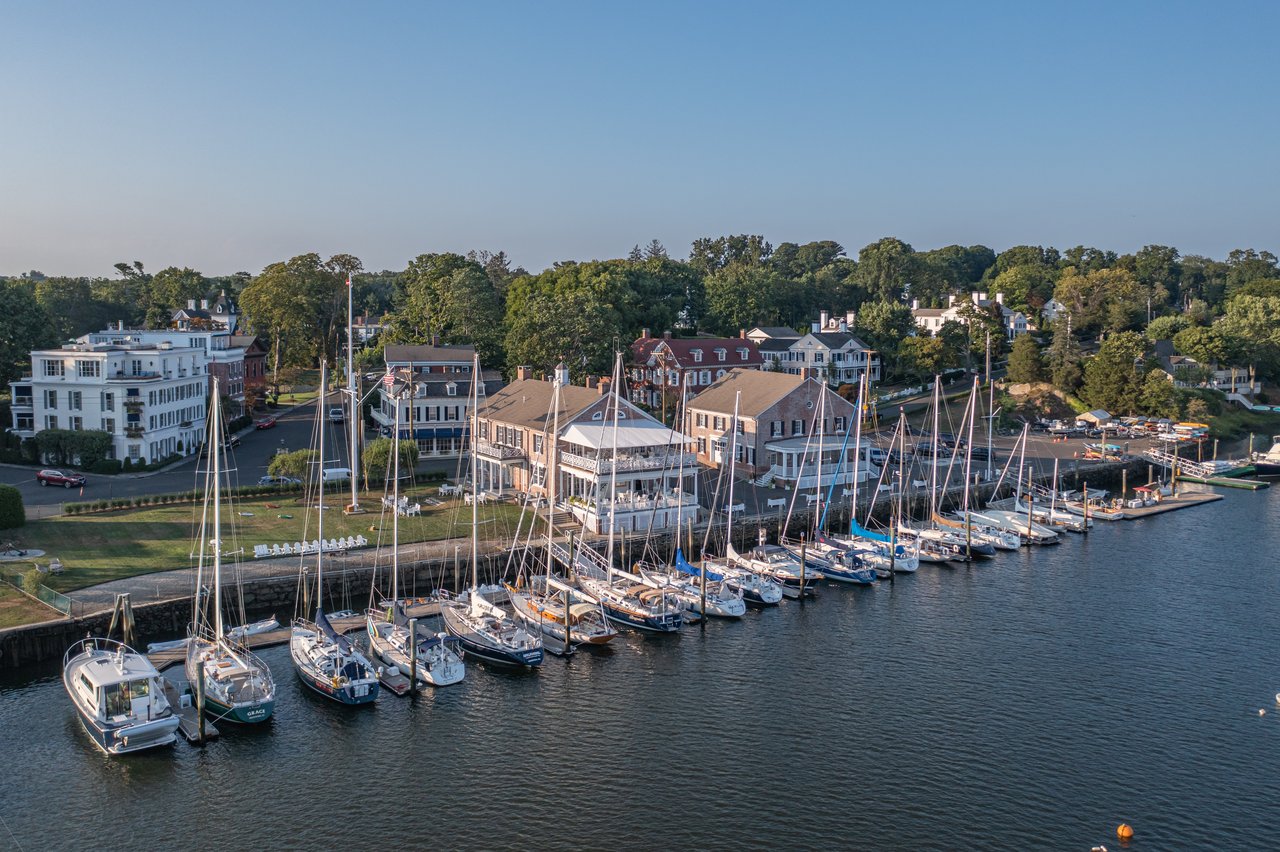
If you are drawn to places with a strong sense of identity, Southport Village stands out right away. In this corner of Fairfield, history is not tucked away in a museum. It shapes the streets, the homes, and the everyday rhythm of life by the harbor. If you are considering a move here or simply want to understand its appeal, this guide will show you how Southport Village brings together historic character and refined coastal living. Let’s take a closer look.
Southport Village Has Deep Historic Roots
Southport Village sits within Fairfield’s Southport Historic District, one of the town’s three local historic districts. The district was formed in 1967 and expanded in 2007, and it includes more than 150 buildings. That scale matters because it means the historic feel of the village comes from an entire preserved setting, not just a few landmark homes.
Southport’s story is closely tied to trade, travel, and the harbor. Fairfield’s historic district handbook connects the village’s 19th-century prosperity to shipping and the onion trade. When the railroad arrived in 1848, Southport began evolving from a trade-focused harbor town into a more residential community with direct connections to New York, New Haven, and Boston.
That transition still shapes the village today. You can feel its maritime past, but you also see how it became a place where people chose to live for beauty, access, and a more composed coastal setting.
Historic Preservation Shapes The Experience
One reason Southport feels so consistent is that preservation is part of daily life here. In Fairfield, exterior work visible from a public way is reviewed by the Historic District Commission. Property owners are advised to consult the commission before making exterior changes, and certain work may require a Certificate of Appropriateness.
For buyers, this is important to understand early. The review process can help protect the architectural integrity of the village, but it also means exterior updates may involve added planning. If you value stewardship and continuity, many see that as part of Southport’s appeal.
The preservation mindset extends beyond municipal rules. The Southport Conservancy has long focused on preserving and restoring historic buildings and property, and it has also supported efforts to protect Lower Wharf and other open space. That civic commitment helps explain why the village feels so carefully maintained.
Architecture Gives Southport Its Distinct Character
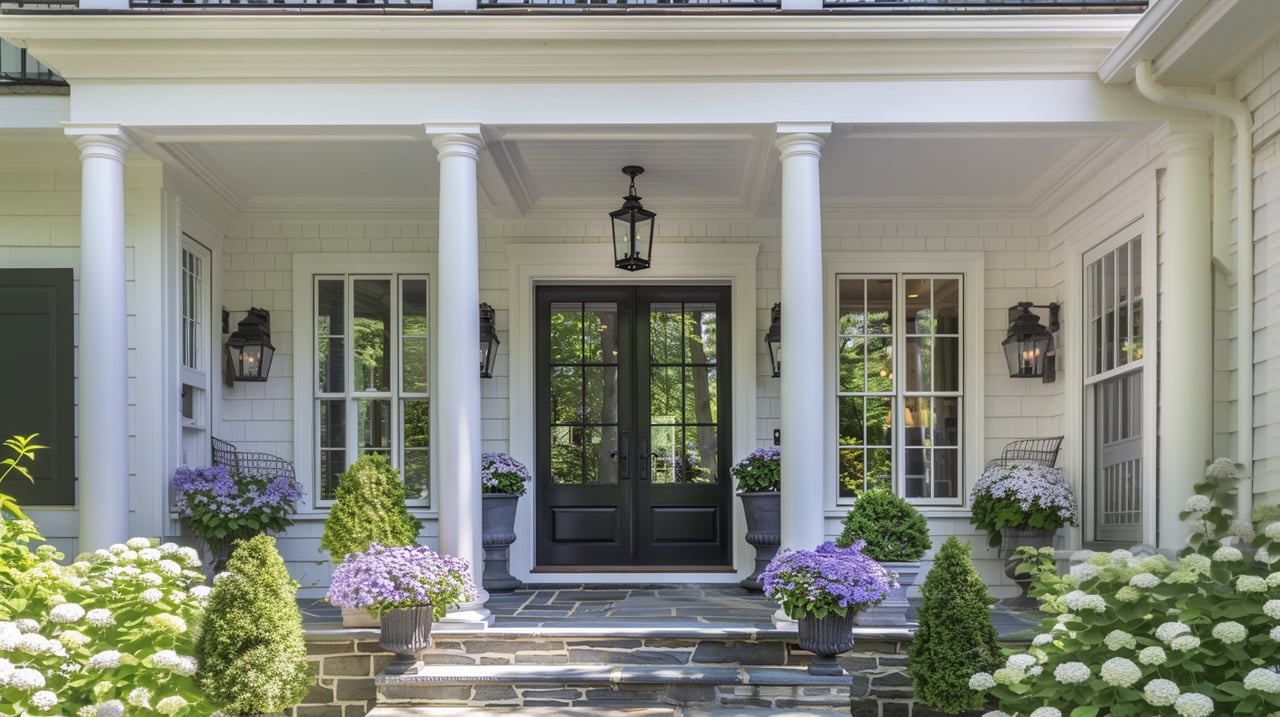
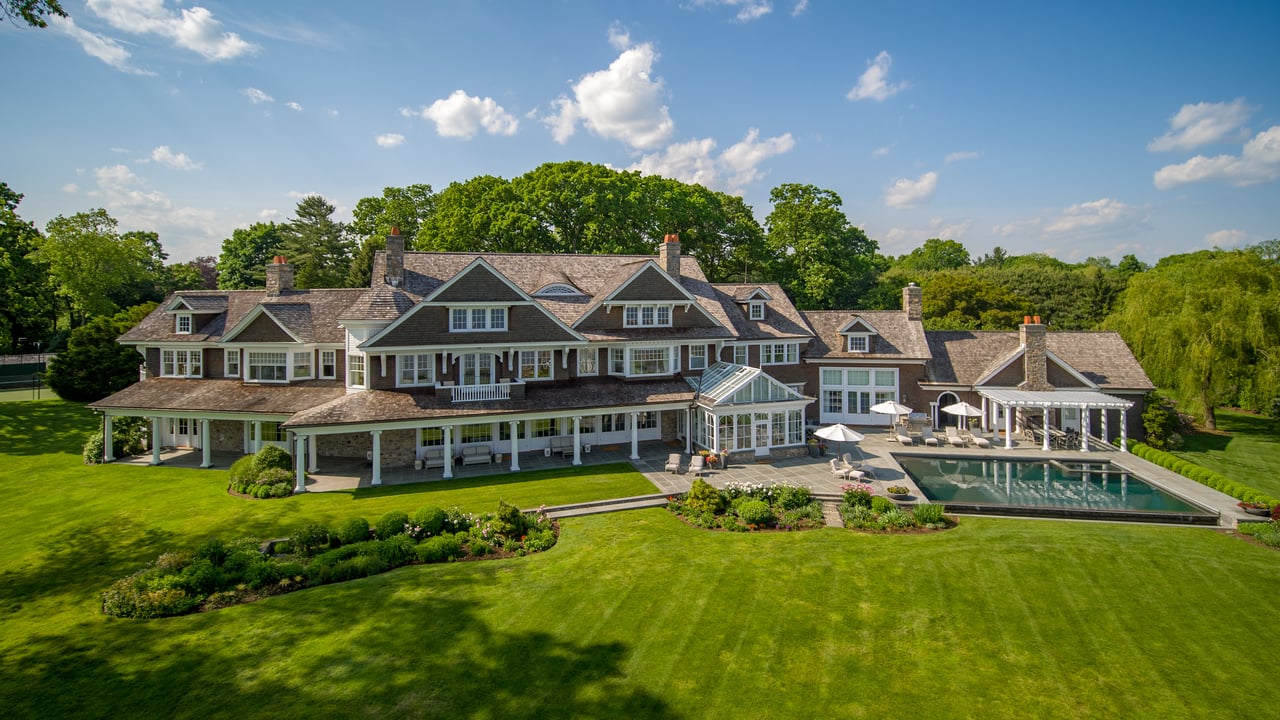
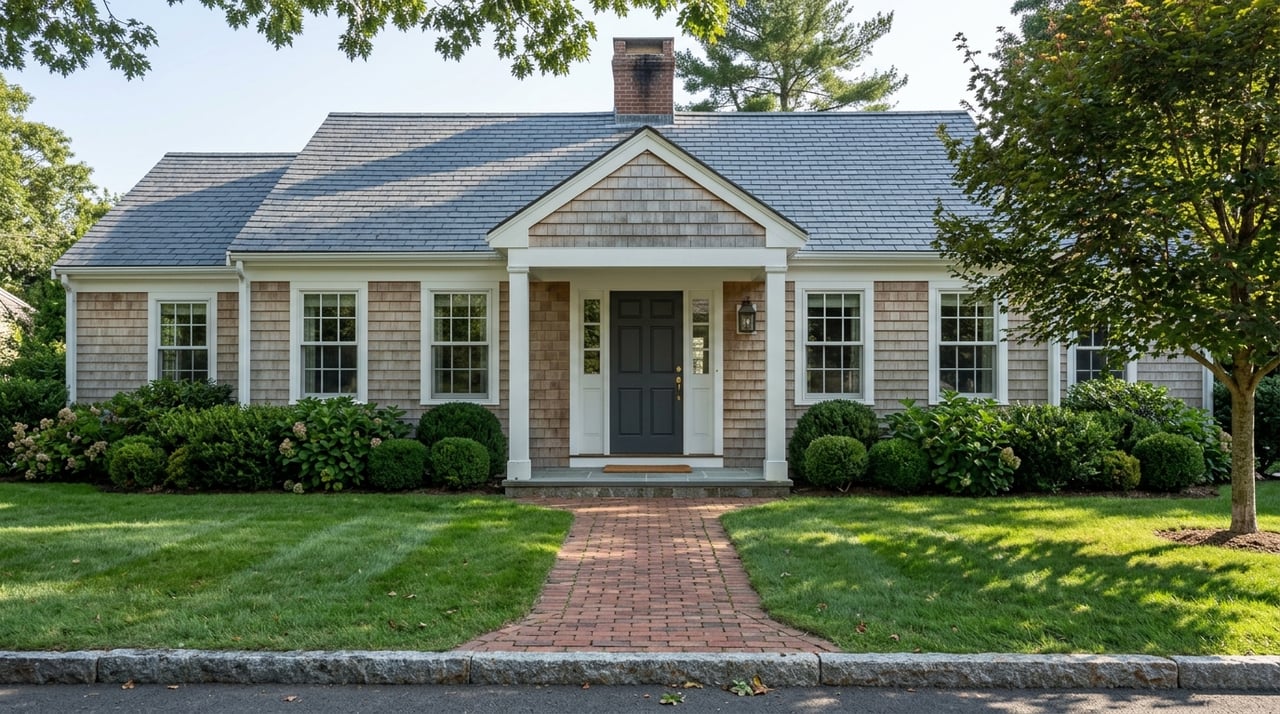
Southport Village offers an unusually rich range of architectural styles within a compact area. According to Fairfield’s handbook, the district includes saltboxes, Federal houses, Greek Revival, Colonial Revival, Dutch Colonial Revival, Shingle-style homes, early Cape Cods, and even a notable contemporary house. That variety gives the village visual depth without losing a sense of cohesion.
Many of these homes were built for wealthy owners on generous lots. Large gardens, lawns, and setbacks remain part of the streetscape today. In Southport, the setting around a home is often just as important as the home itself.
That landscape context is a major part of the luxury experience. Fairfield’s handbook notes that important houses were sited with large lawns and garden settings, and that these surroundings contribute to their architectural value. In practical terms, that means Southport does not feel crowded or overbuilt, even in its more established residential pockets.
Luxury Here Feels Quiet And Established
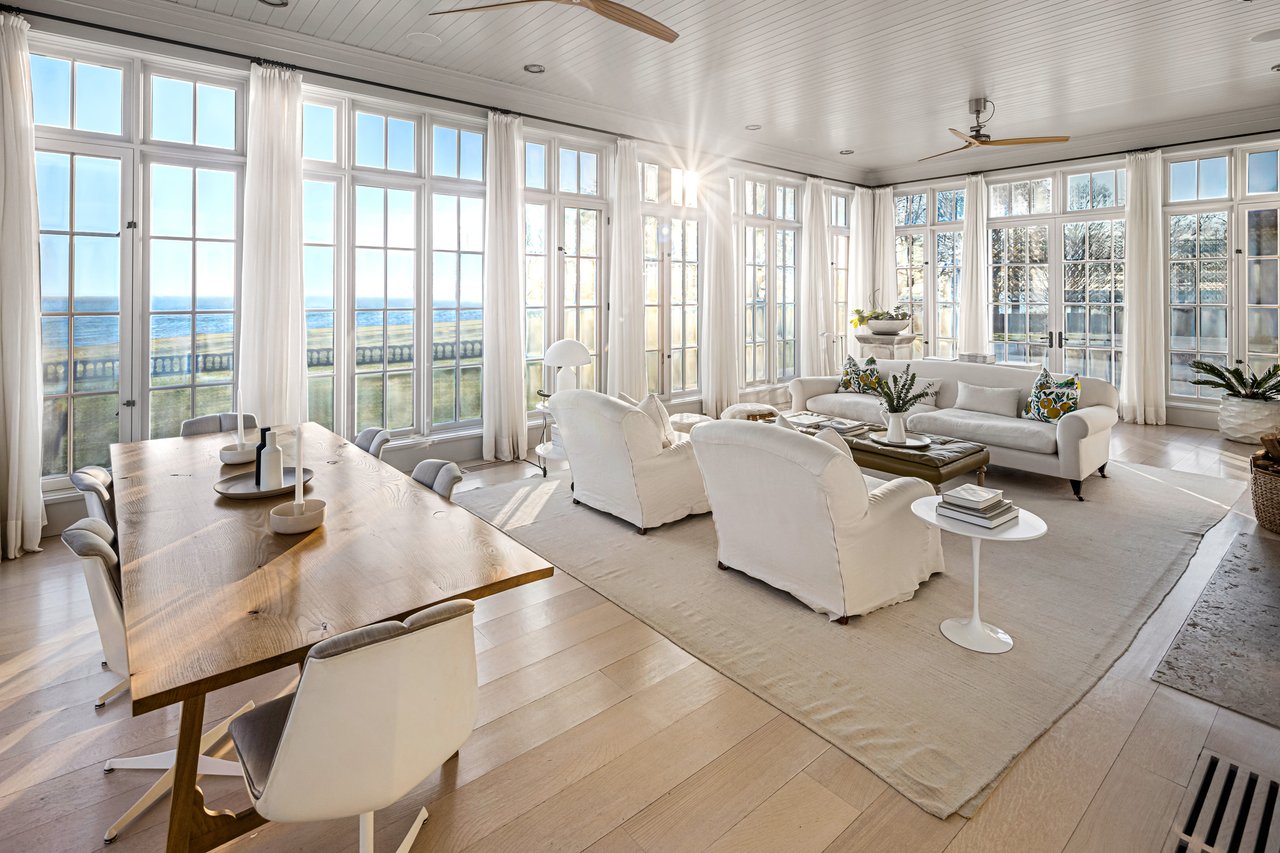
In Southport Village, luxury is rarely about excess. It is more often expressed through provenance, setting, craftsmanship, and the feeling of being somewhere enduring. For many buyers, that is a different and more compelling proposition than newer coastal construction in a less defined setting.
The village appeals to people who want a home with story and a location with long-term character. Preservation rules, historic architecture, the harbor setting, and rail access all contribute to a lifestyle that feels curated rather than generic. This is one reason Southport often attracts buyers looking for a primary residence or a second home with lasting value beyond square footage alone.
For architecturally notable and legacy properties, that distinction matters. Buyers who are drawn to Southport are often looking for authenticity, a strong sense of place, and a setting that feels difficult to replicate.
The Harbor Adds Everyday Beauty
Southport Harbor is not just a scenic backdrop. It remains an active waterfront, with Fairfield’s Harbor Management Commission overseeing mooring and anchoring, protecting harbor resources, and managing Lower Wharf for public use and enjoyment. That keeps the harbor connected to daily life rather than turning it into a purely visual feature.
The result is a village where water is part of the experience in a practical and atmospheric way. Whether you are walking nearby, enjoying views toward the harbor, or simply appreciating the maritime setting, the waterfront presence gives Southport a calm but active identity.
For many buyers, this is where the blend of history and luxury becomes most tangible. The harbor links the village’s past to its present while adding the kind of coastal lifestyle that remains highly sought after in lower Fairfield County.
Walkability Is Part Of The Appeal
Southport Village offers a compact coastal environment where shopping, dining, arts and culture, historic architecture, and the harbor all come together. That combination gives the area a daily ease that many buyers value, especially those seeking a more walkable lifestyle.
The village’s pedestrian character is reinforced by details that are easy to notice once you are there. The Southport Conservancy points to the bluestone sidewalks and describes the area as a walk through nearly three centuries of architectural heritage. That is a useful way to think about Southport because the appeal comes not only from individual homes, but from the full streetscape.
This kind of setting can be especially attractive if you want a home where stepping outside still feels meaningful. A well-preserved block, a harbor view, or a quiet walk past historic architecture becomes part of everyday living.
Culture And Civic Life Add Substance
Southport’s appeal is not limited to housing. The village also offers a strong cultural layer that adds depth to the lifestyle. Pequot Library, founded in 1889, sits in a historic building on more than three acres and is listed on the National Register of Historic Places.
Spaces like this help give the village a sense of continuity and civic identity. They also support the kind of understated, place-based lifestyle many buyers are looking for when they choose Southport over a more transient coastal market.
For those relocating from Manhattan or exploring a second-home purchase, that balance can be especially appealing. You get a village environment with architectural heritage and cultural presence, while still remaining connected to the wider region.
Commuting And Access Matter Too
Southport’s historic setting does not mean it feels isolated. Southport station is on Metro-North’s New Haven Line, which runs from New Haven west to Grand Central. That rail access has shaped the village since the 19th century and remains part of its value today.
If commuting or regional travel is part of your decision, there are practical details worth noting. The MTA states that Southport station is ramp-accessible, but it does not have an accessible path between platforms. Westport and Fairfield Metro are identified as the nearest fully accessible stations.
This is a good example of how Southport combines charm with real-world considerations. The location is highly connected, but buyers should still understand the specific features and limitations of local infrastructure.
Beach Access Comes With Local Rules
Coastal living is part of Southport’s draw, but access is shaped by local policy. During beach season, Southport Beach, Sasco Beach, and South Pine Creek Beach are resident-only for parking. For buyers exploring the area, that is an important detail to keep in mind.
This does not lessen the appeal of the shoreline setting, but it does highlight the value of understanding how local amenities work in practice. In a market like Southport, the lifestyle is highly desirable, and some features come with specific access rules.
That is why local guidance matters, especially if you are comparing Southport with nearby waterfront communities. The details often shape the ownership experience just as much as the home itself.
What Buyers Should Weigh
Southport Village offers a rare combination of preserved character, architectural variety, harbor setting, and regional access. For many buyers, that mix is exactly the point. It feels established, visually coherent, and difficult to duplicate.
At the same time, it helps to approach the village with a clear understanding of the tradeoffs. Historic district review can affect exterior projects, beach parking is seasonal and resident-based, and station accessibility has limitations. These are not drawbacks for every buyer, but they are part of what makes Southport a distinct market rather than a one-size-fits-all destination.
If you are considering a purchase here, the key is understanding both the emotional appeal and the practical framework. In Southport, luxury living is closely tied to stewardship, setting, and a village identity that has been shaped over generations.
For buyers and sellers of historic, waterfront, and architecturally significant homes, that kind of market deserves a thoughtful and highly local approach. If you are considering a move in Southport Village, Andrew + Wendy offer discreet guidance shaped by deep market knowledge, careful positioning, and a clear respect for the homes and settings that make this area so special.
FAQs
What makes Southport Village historically significant?
- Southport Village is part of Fairfield’s Southport Historic District, which includes more than 150 buildings and reflects the area’s evolution from a 19th-century shipping and onion-trade center into a residential village connected by rail.
What architectural styles can you find in Southport Village?
- The district includes saltboxes, Federal houses, Greek Revival, Colonial Revival, Dutch Colonial Revival, Shingle-style homes, early Cape Cods, and a notable contemporary house.
What should buyers know about Southport Historic District rules?
- In Fairfield, exterior work visible from a public way is reviewed by the Historic District Commission, and some projects may require a Certificate of Appropriateness.
How does Southport Harbor affect daily life in the village?
- Southport Harbor remains an active waterfront, with local oversight for mooring, anchoring, resource protection, and Lower Wharf, so the harbor continues to shape both the setting and the lifestyle.
Is Southport Village convenient for commuting to New York City?
- Yes. Southport station is on Metro-North’s New Haven Line to Grand Central, though the station does not have an accessible path between platforms and nearby fully accessible stations include Westport and Fairfield Metro.
What should buyers know about beach access near Southport Village?
- During beach season, parking at Southport Beach, Sasco Beach, and South Pine Creek Beach is limited to residents, so it is wise to factor those local rules into your plans.