Love the patina of wide-plank floors and the calm order of a perfectly symmetrical facade? If Southport Village has caught your eye, you’re not alone. The seaside streets here hold one of Fairfield County’s richest collections of early American architecture. In this guide, you’ll learn how to spot the defining styles, understand how local preservation guidelines shape renovations, and plan for the realities of owning a historic village home. Let’s dive in.
Why Southport Village captivates
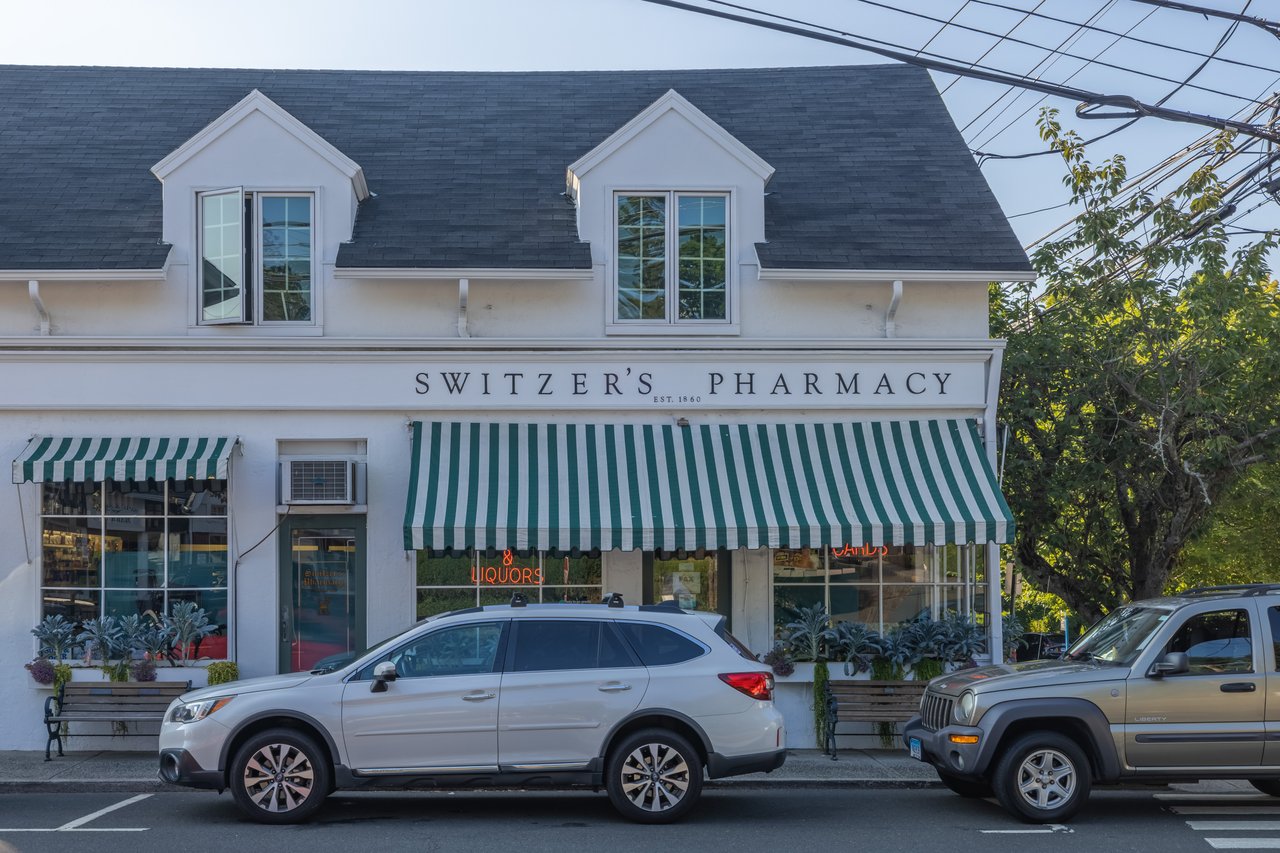
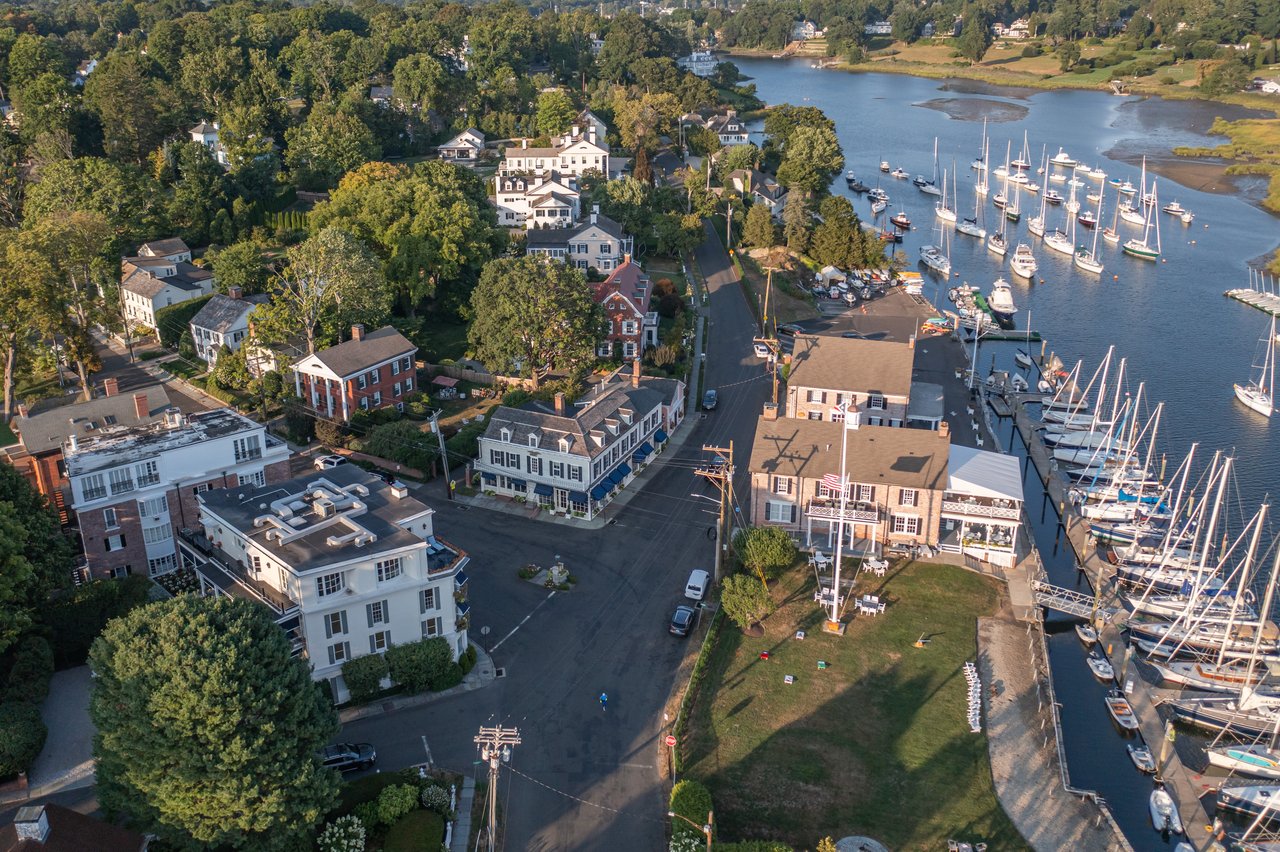
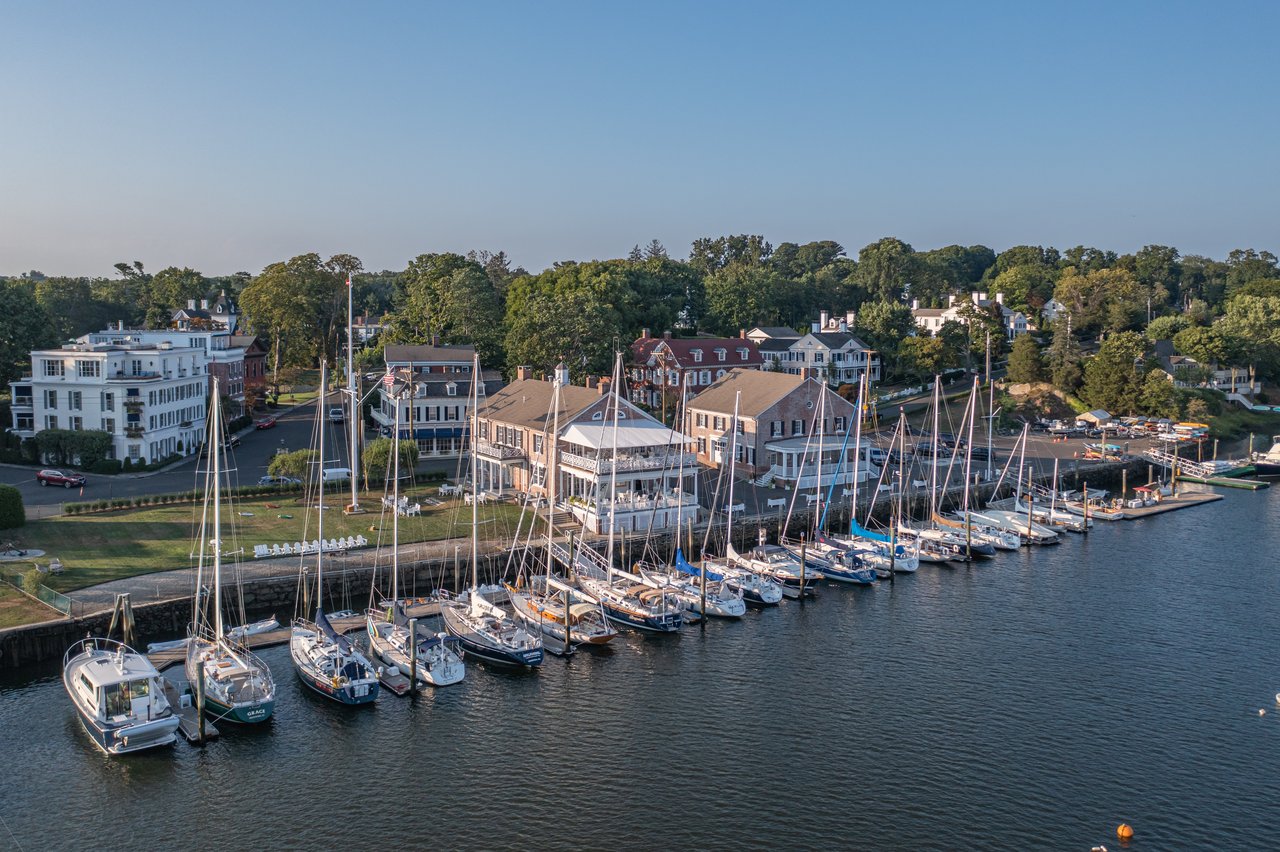
Southport is Fairfield’s historic coastal village and former seaport, shaped by the Saugatuck River and Long Island Sound. The core of the village is listed on the National Register of Historic Places and holds an unusually high concentration of 18th and 19th century homes, merchant buildings, churches, and civic architecture.
The streetscape is intimate and cohesive. Homes tend to sit close to the road on smaller lots, with mature trees, historic sidewalks, and visible front elevations. Those factors make exterior changes more noticeable and can influence what renovations are possible.
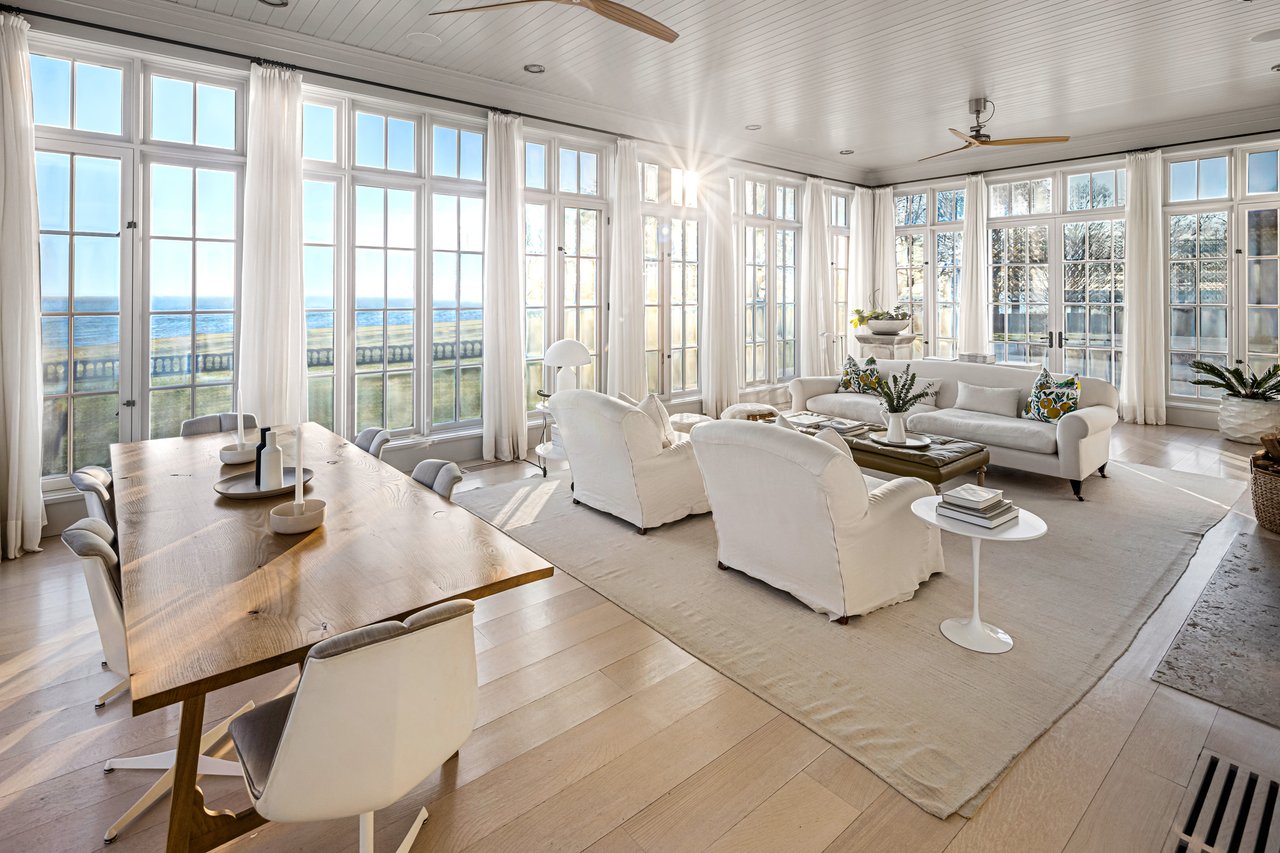
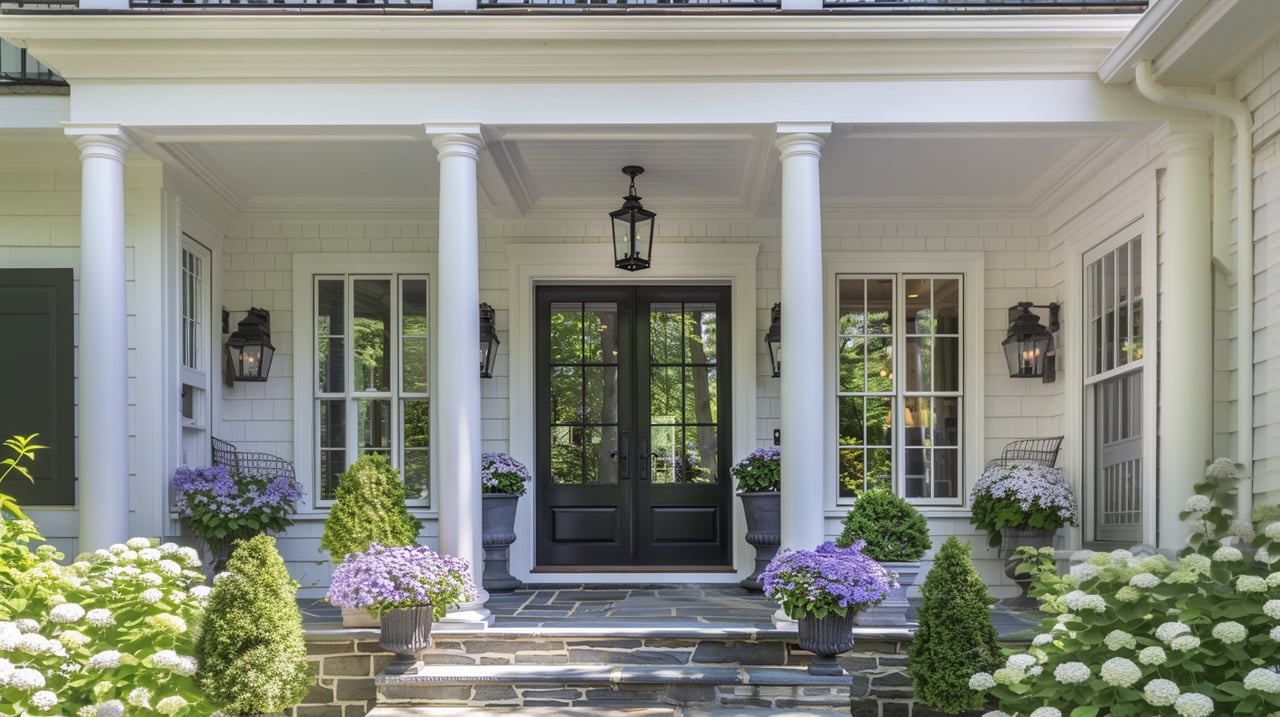
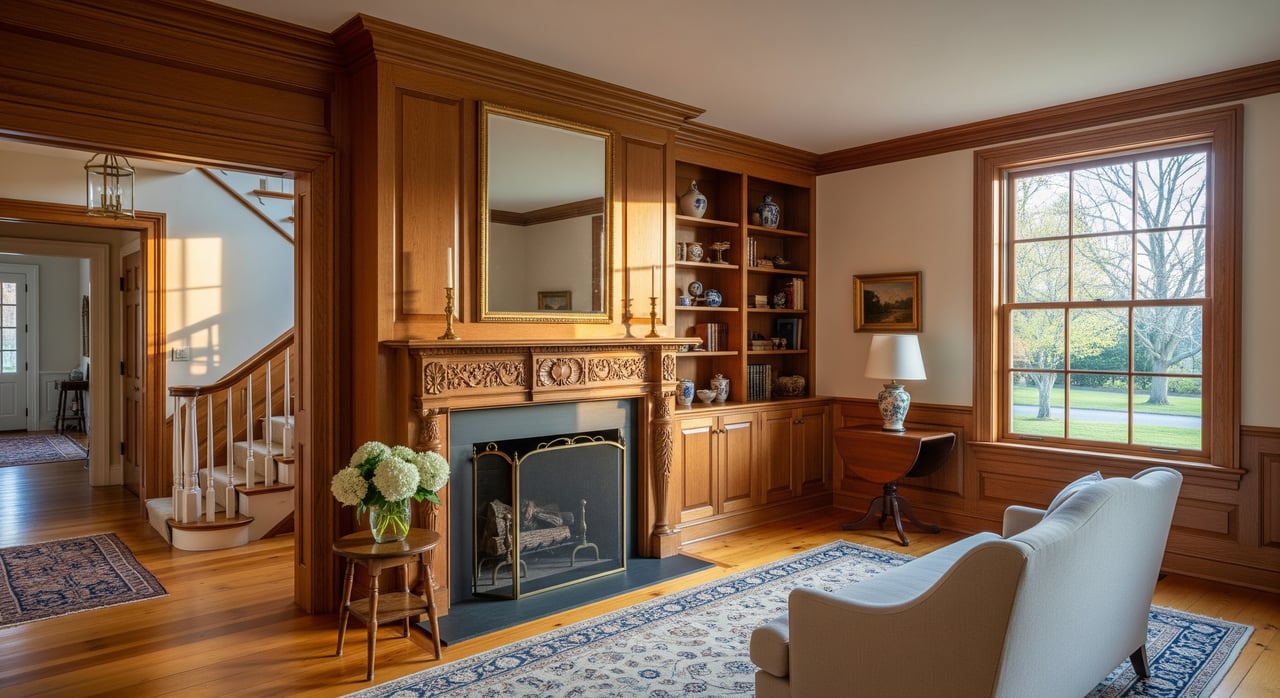
Common exterior materials include wood clapboard or shingles, painted trim, double-hung wood windows, wooden porches, and stone or brick foundations. Inside, many homes retain original floor plans, fireplaces, period millwork, and wide-plank floors that buyers value and often aim to preserve.
A quick guide to Southport styles
Many village homes blend elements from different eras. Use these quick cues to identify what you’re seeing.
Federal (c. 1780–1830)
- Look for strict symmetry, slender proportions, and low-pitched gable or hipped roofs.
- Centered doors often have fanlights or elliptical transoms with sidelights.
- Facades are typically clapboard or brick with delicate, simple classical ornament.
- In Southport: early merchant houses often show this elegant, restrained look.
Greek Revival (c. 1825–1860)
- Strong classical references define the style: pedimented gables, bold cornices, and wide trim boards meant to read like stone.
- Entry porches range from pilasters framing the door to full-height temple fronts.
- In Southport: a frequent mid-19th century choice for both homes and commercial facades along Main Street.
Italianate (c. 1840–1885)
- Tall, narrow windows with decorative hood moldings and wide, bracketed eaves.
- Low-pitched or flat roofs, sometimes with cupolas or belvederes on higher-end homes.
- In Southport: a popular option as the village prospered and design tastes shifted.
Victorian-era variety (c. 1860–1910)
- Queen Anne: asymmetry, textured shingle surfaces, wraparound porches, and occasional towers or turrets.
- Second Empire: signature mansard roof with dormers, plus brackets and decorative cornices.
- In Southport: later 19th century homes and additions add visual richness to earlier streetscapes.
Colonial and Cape vernaculars
- Symmetrical five-bay facades, center-chimney plans, saltbox profiles, and modest 1 to 1.5 story Capes.
- Many of these houses evolved over time with later stylistic updates.
Coastal village details
- Covered porches, shutters, narrow lots, and small outbuildings reflect everyday village living and the maritime climate.
What preservation means for you
Recognition vs regulation
Southport’s National Register listing recognizes historic significance. By itself, it does not regulate private owners. Local historic district designation is what typically triggers design review by a municipal Historic District Commission. That local review covers exterior changes visible from public ways and focuses on compatibility with the district’s character.
How local review works
If a property is within a local historic district, you usually need a Certificate of Appropriateness before changing visible exterior elements. Typical items include siding, windows, porches, additions, and demolition. Approval by the historic commission is separate from building permits. You will likely need both.
Local commissions often prioritize keeping original materials and character-defining features such as historic facades, porches, rooflines, and window proportions. Proposals that remove or obscure those elements may be revised or denied. Appeals and variances are possible but can be time-consuming and require showing hardship.
Floodplain and coastal overlays
Because Southport is waterfront, many properties lie in FEMA-designated flood zones and may be subject to coastal resilience standards. Structural work on foundations or first-floor elevations can require additional approvals or mitigation. Flood insurance can be part of the ongoing cost picture, and elevation or floodproofing details may influence renovation plans.
Planning a thoughtful renovation
Common condition issues
- Deteriorated wood siding and trim from coastal exposure.
- Settled foundations and aging structural elements.
- Outdated mechanicals, such as knob-and-tube wiring or older boilers.
- Lead paint, limited insulation, and single-glazed windows.
- Hidden surprises, including compromised sills or insect damage, that emerge once work begins.
Balancing historic character and performance
- Windows: Original wood windows are often a defining feature. Many local guidelines and preservation standards favor repair over replacement when feasible. Storm windows and weatherstripping can deliver energy benefits while preserving appearance. In-kind replacement may be required in some cases.
- Insulation and airtightness: Start with attics and basements for the best return with the least risk. Wall insulation needs careful detailing to avoid trapping moisture and damaging historic finishes.
- Mechanical systems: Upgrading HVAC, plumbing, and electrical is common. Place new equipment and runs in discreet locations, such as basements or chases, to limit visual impact. Chimneys can often be repaired and retained as part of the home’s character.
- Porches and trim: These are highly visible components. Like-for-like repairs and accurate profiles for any replacements protect the home’s integrity and aid approvals.
Materials and trades that matter
Historic properties benefit from tradespeople experienced with traditional materials and local review processes. Improper fixes, such as covering clapboard with synthetic siding, can harm the building’s character and may not pass review. Document existing conditions and proposed details with photographs, samples, and drawings to streamline approvals and help future caretakers.
Costs, timelines, and incentives
Expect higher per-square-foot renovation costs than newer homes due to specialized labor, custom materials, and regulatory review. Build in a healthy contingency and longer permitting timelines. Federal historic rehabilitation tax credits primarily apply to income-producing properties and require adherence to established preservation standards. Some state or municipal programs may offer incentives for preservation work, but availability for private residences varies. In flood-prone areas, plan for flood insurance and consider mitigation that reduces long-term risk.
Due diligence checklist for buyers
- Confirm whether the property is inside a local historic district and listed on the National Register.
- Review the town’s historic district guidelines and Certificate of Appropriateness requirements before making offers when possible.
- Hire a home inspector experienced with historic structures. For complex cases, consider a structural engineer or preservation architect.
- Ask about prior approvals, maintenance history, and documented repairs through municipal records and listing materials.
- Check FEMA flood maps and obtain preliminary homeowners and flood insurance quotes to understand ongoing costs.
- Budget for specialized labor, custom materials, and longer review and permit timelines.
- Plan upgrades that respect visible facades and key features, especially windows, porches, rooflines, and trim.
Stewardship, value, and resale
Authentic historic features often draw buyers to Southport. When you preserve original materials and refine performance with sensitive updates, you protect your home’s story and support long-term appeal. Be mindful that strict exterior review and coastal risk can shape your scope, timeline, and pool of future buyers. A clear plan that aligns design intent, approvals, and budget will set you up for success.
When you are ready to evaluate options, set strategy, or position a historic property for sale, work with advisors who respect both provenance and process. The right approach honors the village’s character while achieving your goals.
Ready to explore Southport’s historic homes with a private, strategy-first plan tailored to you? Connect with Andrew + Wendy for discreet guidance, nuanced valuation, and curated outreach. Request a Confidential Home Valuation.
FAQs
What makes Southport Village historic?
- Southport is a coastal village with a high concentration of 18th and 19th century buildings, and its core district is listed on the National Register for its architectural significance.
Does the National Register listing regulate my home?
- No. National Register listing recognizes significance but does not impose local restrictions; local historic district designation is what typically triggers design review.
Do I need approval to replace windows or siding?
- If your home is within a local historic district and changes are visible from public ways, you typically need a Certificate of Appropriateness before proceeding, plus separate building permits.
How do flood zones affect renovations and insurance?
- Many Southport properties are in FEMA-designated flood zones, so structural work may require additional approvals or mitigation, and flood insurance can be part of ongoing costs.
What energy upgrades work best in historic homes?
- Start with attic and basement insulation, repair and weatherstrip original windows, consider storm windows, and locate upgraded mechanicals in discreet areas to protect character.
Are there tax credits for restoring a Southport home?
- Federal credits generally apply to income-producing properties; some state or local programs may exist, so check current options and requirements before planning work.