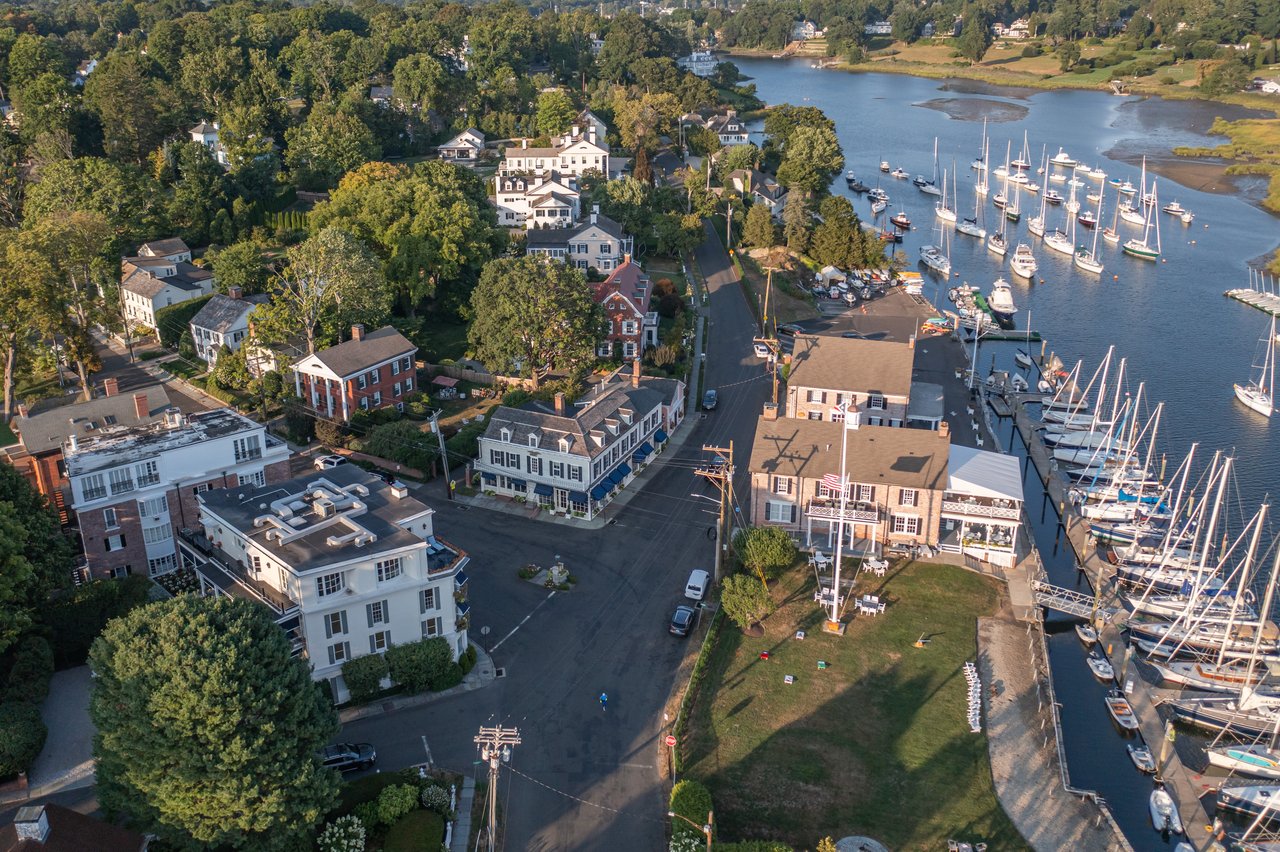
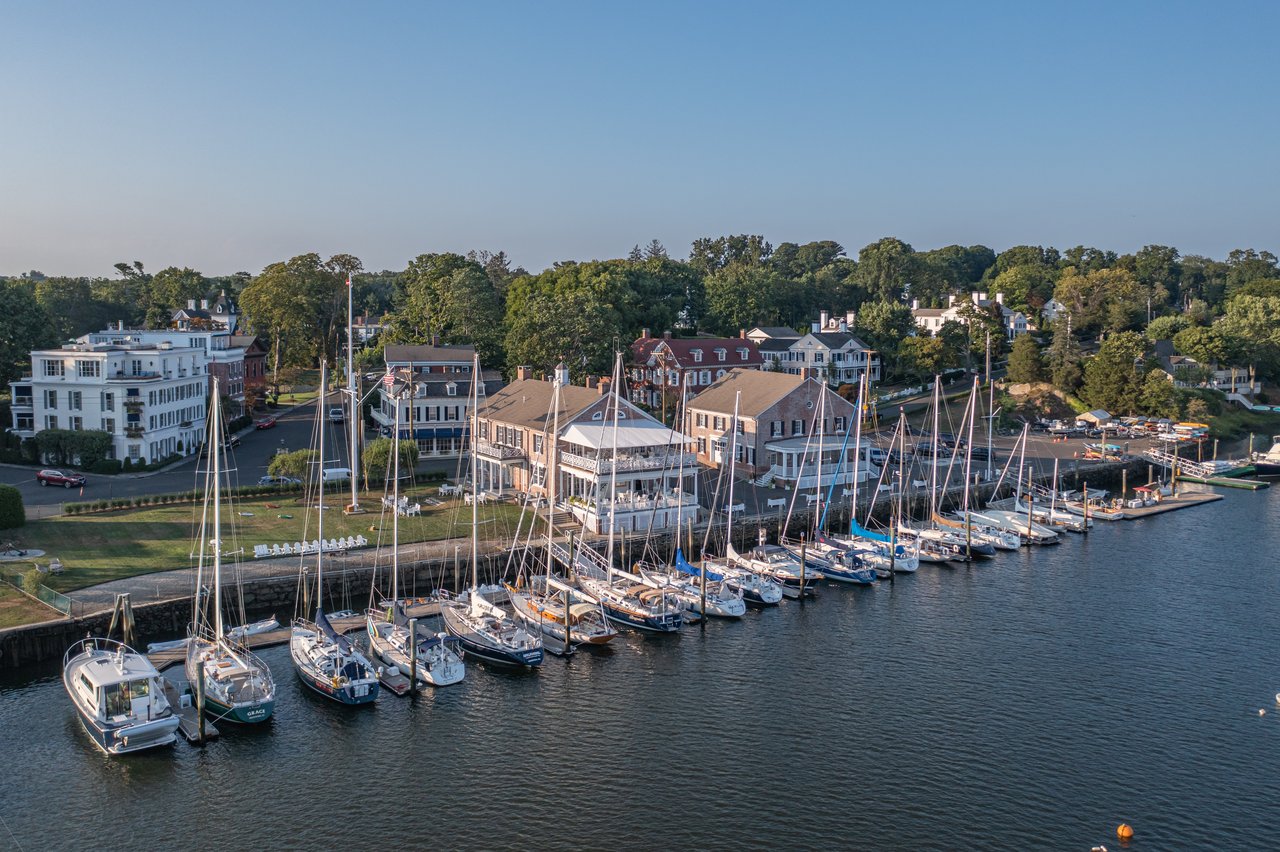
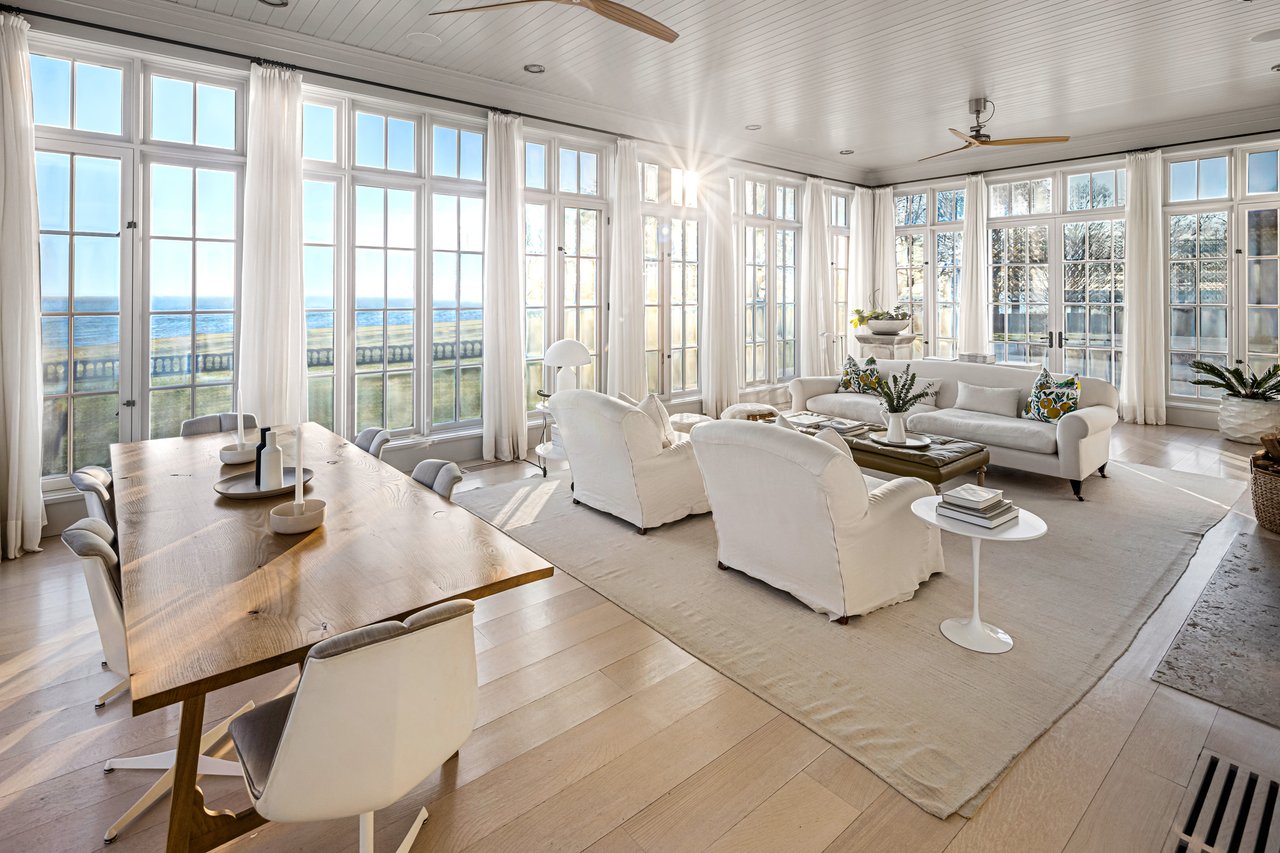
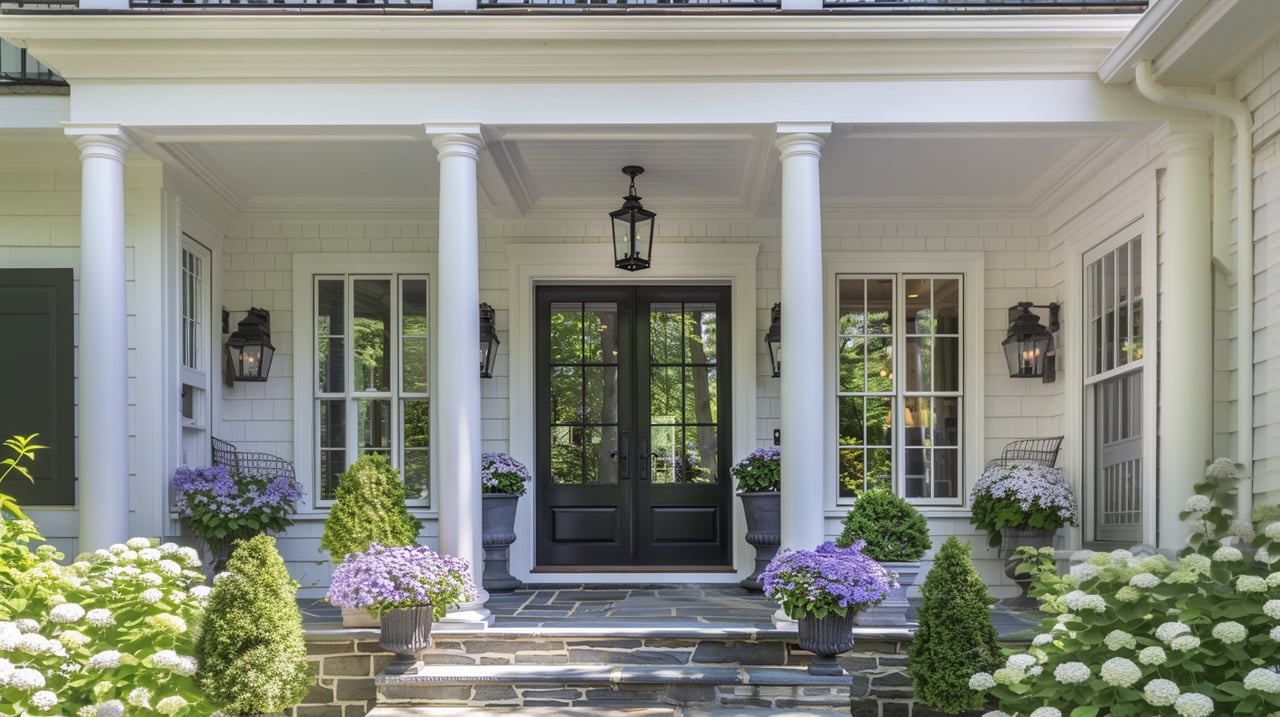
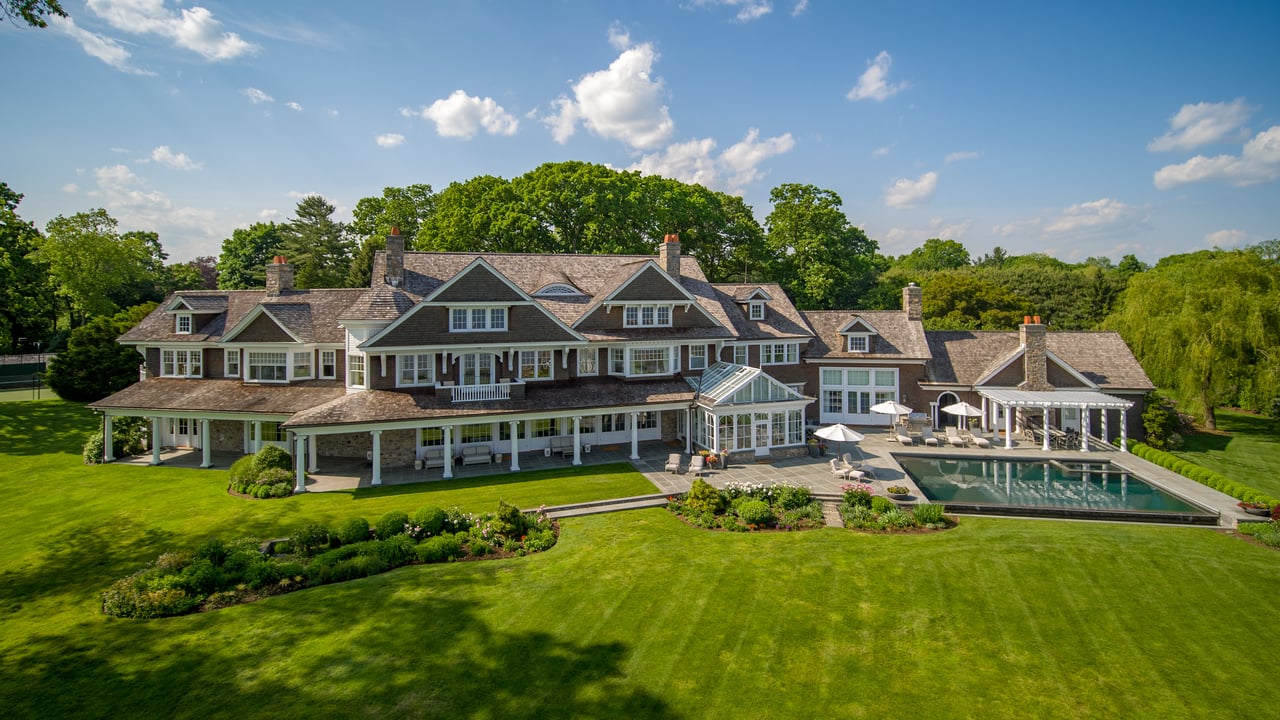
If you own a waterfront estate in Southport, you are not just selling square footage. You are presenting a rare mix of shoreline setting, architectural character, privacy, and long-term stewardship. Today’s buyer is looking closely at all of it, and the homes that stand out tend to be the ones positioned with clarity and care. Let’s look at what matters most when bringing a Southport waterfront estate to market.
Southport already sits in luxury territory
Southport’s market context matters because it shapes buyer expectations from the start. Realtor.com reported a median listing price of $1.699 million in Southport, with about 48 days on market as of March 2026, and identified the market as buyer-favored.
That price point is meaningful on its own, but it is even more notable when compared with the national luxury threshold. Realtor.com’s January 2026 luxury report placed entry-level luxury at $1,193,085, which means Southport’s typical listing already sits above that benchmark.
For sellers, that means your competition is not only local. Buyers comparing Southport to other luxury markets are evaluating quality, setting, and confidence in the property story before they ever schedule a showing.
Today’s buyer wants more than waterfront
Waterfront is still the draw, but the definition of value has widened. Zillow’s 2025 search data showed rising interest in terms like waterfront, beach, dock, river, and lake, along with view, patio, pool, yard, gated, and fenced yard.
That pattern points to a buyer who is thinking about daily use, not just prestige. Privacy, security, peaceful surroundings, and functional outdoor living all play a bigger role in how a waterfront estate is perceived.
In Southport, this is especially relevant because many properties offer a layered lifestyle. Buyers may be responding to harbor views, lawn-to-water relationships, dock potential, outdoor entertaining areas, and the sense that the home feels settled into its setting.
Lifestyle features carry real weight
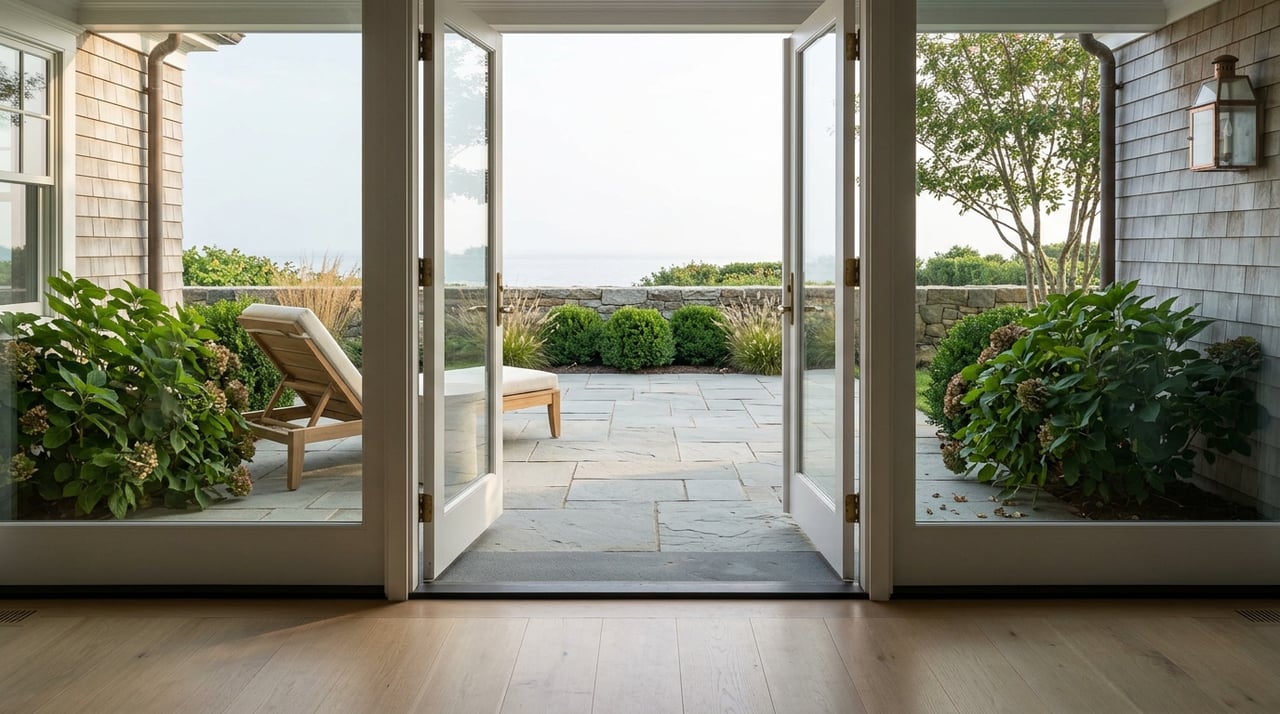
Zillow’s research also found that certain finishes and outdoor features sold above expected value in its analysis. Soapstone countertops, white oak floors, Venetian plaster walls, outdoor showers, outdoor kitchens, and bluestone patios all stood out.
That does not mean every seller should renovate before listing. It does mean buyers are paying attention to materials, authenticity, and how well the indoor and outdoor spaces connect.
A well-positioned Southport estate often highlights a cohesive experience. Instead of presenting isolated features, it shows how the house lives from morning light over the water to evening entertaining on a terrace or patio.
Southport’s history is part of the property story
In many waterfront markets, location alone does the heavy lifting. In Southport, architectural and historic context can add another layer of value.
Fairfield’s Historic District Commission identifies the Southport Historic District as one of the town’s three historic districts. The handbook notes its creation in 1967 and extension in 2007, and describes the district’s significance through post-Revolutionary and nineteenth-century affluence tied to shipping and specialized agriculture.
It also specifically names streets such as Harbor Road and Pequot Avenue and highlights notable colonial and later architectural examples. For a seller, this matters because buyers in this segment often respond to provenance, continuity, and a clear sense of place.
Architectural credibility matters
Older luxury markets are often shaped by mature neighborhoods, older architecture, and scarcity. Realtor.com’s luxury report notes that value in these settings is often driven more by land, neighborhood prestige, and waterfront proximity than by square footage alone.
That is why positioning should not reduce a Southport estate to bedroom count and lot size. If the home has a meaningful architectural story, a documented evolution, or a strong relationship to the district, that should be part of the presentation.
Today’s buyer often wants reassurance that a property has been thoughtfully maintained and understood over time. The more coherent the architectural narrative, the stronger the emotional and practical case for value.
Waterfront buyers are doing deeper diligence
A Southport waterfront estate may feel effortless on the surface, but serious buyers know the shoreline comes with technical questions. They are often evaluating not only beauty and privacy, but also usability, compliance, and resilience.
That is why strong positioning includes documentation, not just visuals. When important questions are answered early, buyers can focus on the opportunity instead of the uncertainty.
Coastal permits affect real value
Connecticut’s coastal permit program regulates work in tidal wetlands and tidal, coastal, or navigable waters. According to the Connecticut Department of Energy and Environmental Protection, this is intended to reduce navigational conflicts, encroachment into public trust areas, and harm to coastal resources.
For sellers, the practical point is simple. Dock work, shoreline structures, flood mitigation, and related improvements are not merely aesthetic updates. They may involve different permit pathways, and buyers will want to understand what exists, what was approved, and what future changes may require.
Docks and moorings need careful review
DEEP provides specific design considerations for residential docks. These include avoiding shading tidal wetland grasses, avoiding submerged aquatic vegetation, minimizing encroachment into public trust lands, and preserving navigation and public access.
DEEP also notes that, in most settings, a generally acceptable dock design includes a fixed pier to mean low water with a ramp and a 10-foot by 10-foot float. Moorings cannot be placed in federal navigation channels or over submerged aquatic vegetation.
If your property includes a dock, float, mooring, or shoreline infrastructure, those details should be organized clearly before launch. For a waterfront buyer, shoreline usability is one of the first value questions, and ambiguity can weaken momentum.
Southport Harbor has local review layers
Beyond state oversight, Southport Harbor has its own municipal management structure. Fairfield’s Harbor Management ordinance defines a Harbor Management Area covering Southport Harbor and adjacent waters.
The ordinance requires Harbor Management Commission consistency review for proposed actions affecting the harbor area, including development subject to coastal site plan review. The commission also reviews proposals from other town bodies, including zoning and historic-district review bodies.
That local framework matters because buyers are often thinking ahead. They want to know not only what the property is today, but also how future improvements may be reviewed.
Flood planning is part of modern positioning
For waterfront property, flood risk is no longer a side note. It is part of how sophisticated buyers assess long-term ownership.
Connecticut has adopted a sea-level-change scenario of 0.5 meters, or 1 foot 8 inches, by 2050. DEEP also notes that some coastal roads that now flood only a few times a year could flood at least monthly by mid-century under that scenario.
That does not reduce the appeal of waterfront living in Southport. It simply means buyers expect a more informed conversation around elevation data, flood maps, insurance history, and any resilience measures already in place.
Confidence often comes from documentation
DEEP points owners and buyers to FEMA’s Flood Map Service Center as the official source for flood insurance rate maps, flood studies, and map-change tools. In practice, that means a well-prepared seller is often ready to discuss where the property sits on current mapping and what the insurance history shows.
This is one of the clearest ways to build trust. When buyers see that flood and shoreline questions have been addressed thoughtfully, the property feels better cared for and easier to underwrite mentally and financially.
How to position a Southport estate effectively
The strongest positioning usually brings several elements together into one clear message. Buyers are not just comparing houses. They are comparing confidence, ease, and the total ownership experience.
For a Southport waterfront estate, the most compelling narrative often includes the following:
- Water orientation and view value
- Privacy and a sense of retreat
- Architectural provenance and district context
- Clear indoor-outdoor flow
- Flexible guest or lifestyle spaces
- Existing dock, mooring, or shoreline documentation
- Flood map, elevation, and insurance readiness
- A measured, selective approach to buyer exposure
Curated exposure can match buyer behavior
Zillow’s search trends showed increased interest in privacy-related terms such as gated and fenced yard. That supports a broader takeaway that many luxury buyers are seeking control, calm, and discretion in how they shop.
For certain Southport estates, a curated marketing process can align well with that behavior. Selective exposure, thoughtful storytelling, and outreach to vetted buyers may create a stronger fit than a broad, high-volume approach.
That is especially true when the home is architecturally notable, historically sensitive, or held by a seller who values privacy. In those cases, positioning is not about noise. It is about precision.
What sellers should prepare before listing
If you are thinking about bringing a waterfront estate to market, preparation can influence both pricing power and buyer confidence. The goal is to remove friction and support the home’s value story with facts.
A strong pre-listing review may include:
- Confirmation of whether the property is within the Southport Historic District
- A record of any Certificate of Appropriateness approvals for exterior work, if applicable
- Existing permits or approvals for docks, moorings, seawalls, or shoreline improvements
- Flood map information, elevation details, and insurance history
- A clear understanding of usable water access versus regulated or public trust area
- A presentation plan that connects architecture, setting, and lifestyle
When these items are handled early, the launch feels more intentional. Buyers can then focus on what makes the property special rather than pausing over unanswered questions.
A Southport waterfront estate deserves more than standard listing treatment. It calls for a positioning strategy that respects the property’s architecture, shoreline realities, privacy needs, and place within one of Fairfield’s most established coastal settings.
That is where quiet expertise can make a measurable difference. If you are considering the sale of a waterfront or legacy property in Southport, Andrew + Wendy can help you evaluate how to present it thoughtfully, discreetly, and to the right audience.
FAQs
What are Southport waterfront buyers looking for today?
- Buyers are often evaluating water views, privacy, outdoor living, shoreline usability, and a cohesive architectural story, along with practical details like dock documentation and flood readiness.
What does historic district status mean for a Southport property?
- If a property is within the Southport Historic District, exterior changes, demolitions, and other visible alterations may require prior approval through a Certificate of Appropriateness process.
What permit issues matter for a Southport waterfront estate?
- Sellers should be prepared to address existing or proposed permits related to docks, moorings, seawalls, flood mitigation, and other work in tidal, coastal, or navigable areas.
How does flood risk affect a Southport waterfront sale?
- Flood risk can affect buyer confidence, insurance questions, and future planning, so it helps to have current flood map information, elevation data, and insurance history ready.
Why is selective marketing useful for a Southport luxury listing?
- A curated approach can align with current buyer interest in privacy and control, while also helping present a rare waterfront estate to a more qualified and relevant audience.