Selling a historic home in Fairfield is not the same as selling any other property. Buyers at the top of the market tend to notice the details, from original windows and millwork to the way a house sits on its land, and they often expect a high level of care and authenticity. If you are preparing a historic property for sale, the goal is to protect what makes it special while presenting it with clarity, confidence, and respect for Fairfield’s local rules. Let’s dive in.
Why historic Fairfield homes need a different approach
Fairfield has a well-established preservation framework, especially in the Greenfield Hill, Southport, and Old Post Road local historic districts. According to the town’s handbook, exterior changes visible from a public way in those districts are subject to Historic District Commission review.
That matters because a premium sale often depends on timing, presentation, and buyer trust. When your home has historic character, the strongest sale strategy is usually not to modernize everything in sight. It is to show that the property has been carefully stewarded.
Fairfield’s long history is part of the appeal. The town’s 18th-century past remains visible around the Post Road historic district and Town Green, which gives many older homes a sense of place that newer properties cannot duplicate.
Know your designation before updating
One of the first questions to answer is whether your home is in a local historic district, individually designated, or simply historic in age and style. These categories can affect what you can change before listing.
In Fairfield, local historic district rules are especially important because they carry review authority over certain exterior work. The town handbook also notes that individual historic property designations can include outbuildings and farmland, which can matter for larger estate-style properties.
It is also helpful to understand what National Register status means. Connecticut makes clear that National Register listing does not by itself prevent an owner from altering a property, even though it may support incentives, grants, or certain protections under state law.
Review first, renovate second
Before you schedule exterior improvements, confirm whether a Certificate of Appropriateness is required. Under Connecticut law, a certificate is required before exterior alterations, new construction, or demolition visible from a public way can move forward in a local historic district.
Fairfield defines public way broadly. According to the local handbook, it can include streets, roads, rights of way, rail lines, parking lots, parks, trails, waterways, and even views from Long Island Sound.
This broad definition catches many owners off guard. A change that feels private on your property may still be considered visible under the rules.
Exterior items that often need review
Fairfield and Connecticut standards make exterior details especially important. Review-sensitive items can include:
- Windows
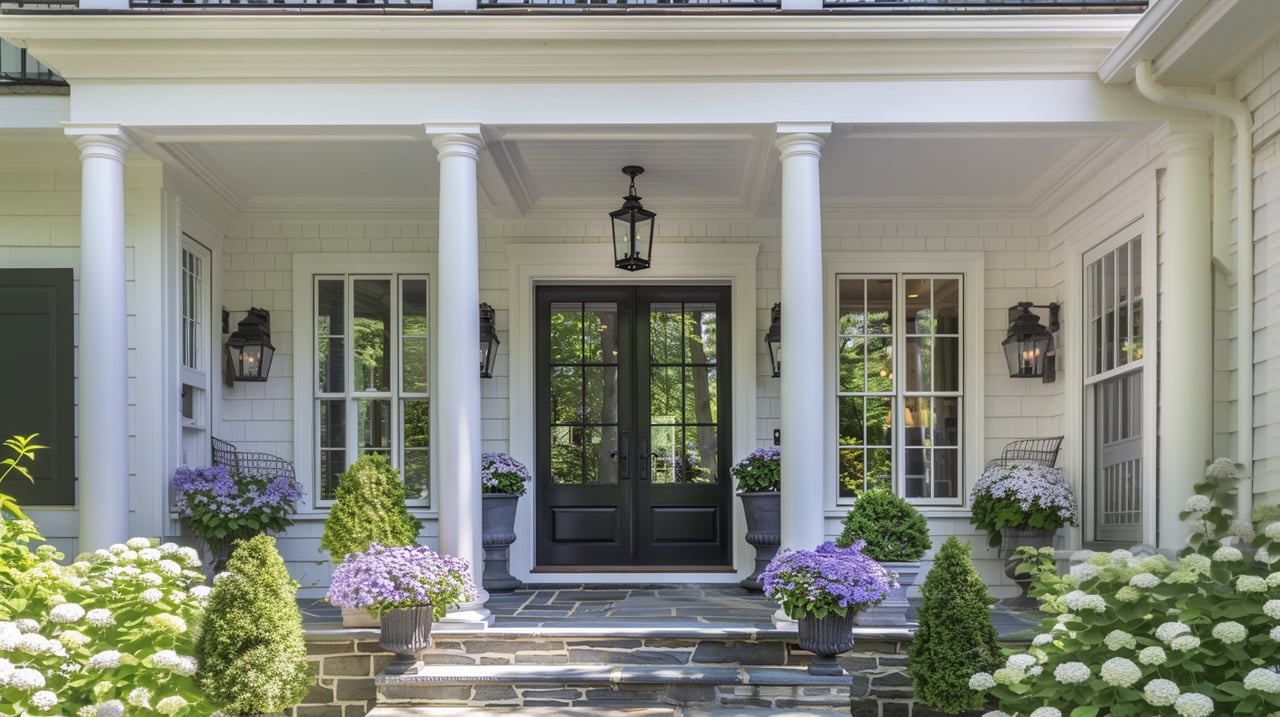
- Doors
- Light fixtures
- Signs
- Above-ground utility structures
- Mechanical appurtenances
- Hardscape elements
- Fences and walls
- Earthworks
If a building permit is needed, Fairfield’s handbook says written Historic District Commission approval must come first. Starting visible work without approval can lead to a stop-work order and possible penalties, so timeline planning matters.
Cosmetic work may be easier
Not every pre-listing project turns into a long review process. Fairfield’s handbook says repainting and repairs that do not change the original appearance may not require a Certificate of Appropriateness, though owners should confirm with the commission before starting.
Connecticut law also states that a historic district commission does not control exterior paint color. That does not mean every color choice is wise for resale, but it does mean paint can be one of the simpler curb appeal conversations to have.
Build enough time into your sale timeline
Historic sale preparation usually takes longer than a standard pre-listing refresh. Connecticut statute generally requires action within 65 days of filing, and Fairfield notes that some simpler repairs may be handled more quickly.
If you are considering demolition, timing becomes even more sensitive. Connecticut law imposes a 90-day delay after a demolition permit issues while alternatives are explored, and Fairfield’s handbook says demolition of structures in a historic district requires commission approval.
For sellers aiming at a premium result, this means one thing: start planning early. A rushed update can create avoidable delays, buyer concerns, or unnecessary compromises.
Focus on updates that protect character
For a historic home, the most effective improvements are usually the ones that preserve visible character while quietly improving function. The Secretary of the Interior’s rehabilitation standards emphasize retaining historic character, repairing rather than replacing deteriorated features, preserving craftsmanship, and making new work compatible with the old.
That principle lines up well with what many discerning buyers want. They are often looking for comfort and condition, but not at the expense of original proportions, materials, or detailing.
Smart pre-sale improvements to consider
When preparing a historic Fairfield home for the market, the most defensible upgrades are often:
- Repairing original woodwork and plaster
- Restoring original windows where possible
- Servicing mechanical systems
- Improving weatherization in low-visibility ways
- Cleaning historic materials with gentle methods
- Addressing deferred maintenance before it becomes a buyer objection
These choices support value because they show care, not overreach. They also help the home feel more polished without stripping away the features that make it distinctive.
Be careful with replacement work
Replacement work deserves extra thought. National preservation guidance says replacement features should match the original in design, color, texture, and, where possible, materials.
In practice, that means shortcut solutions can stand out for the wrong reasons. A premium buyer will often notice when historic doors, windows, trim, or lighting have been replaced with something out of scale or visually inconsistent.
Modern comfort still matters
Preservation does not mean freezing a house in time. It means improving it in ways that respect its identity.
For many sellers, the best path is to let modern comfort sit quietly behind the period envelope. Updated systems, improved insulation, and thoughtful resilience work can all support marketability when they are handled with sensitivity.
This is especially relevant for coastal Fairfield properties. National preservation guidance now addresses sustainability, weatherization, solar technology, and flood resilience alongside historic character concerns.
Solar and resilience upgrades
If you are considering renewable energy improvements, Connecticut law does allow room for them. A certificate for a renewable energy feature should not be denied unless the commission finds that the feature would substantially impair the district’s historic character and appearance, and the commission may attach design and location conditions.
That makes design and placement critical. For a seller, the lesson is simple: if a feature will be visible, discuss it early and plan it carefully.
Create a provenance packet for buyers
At the luxury end of the market, documentation can strengthen confidence and support value. State and federal historic documentation frameworks emphasize clear physical descriptions, focused historical narratives, photographs, maps, and reference materials.
Even if your home is not being formally nominated for any register, that framework provides a smart model for preparing your listing. A well-organized seller packet helps buyers understand not only what the house is, but how it has been cared for.
What to gather before listing
A strong historic home packet may include:
- Deeds and ownership history
- Past permits and approvals
- Architect or builder information, if known
- Restoration invoices and service records
- Historic photographs
- Survey materials or prior register references
- A current photo set of the house, grounds, outbuildings, and notable details
This kind of recordkeeping is especially useful for architecturally notable or estate-level properties. It gives your marketing a factual foundation and helps answer buyer questions before they turn into concerns.
Stage the home to reveal, not disguise
Historic staging works best when it supports the house instead of competing with it. The goal is to reveal the home’s scale, craftsmanship, light, and flow.
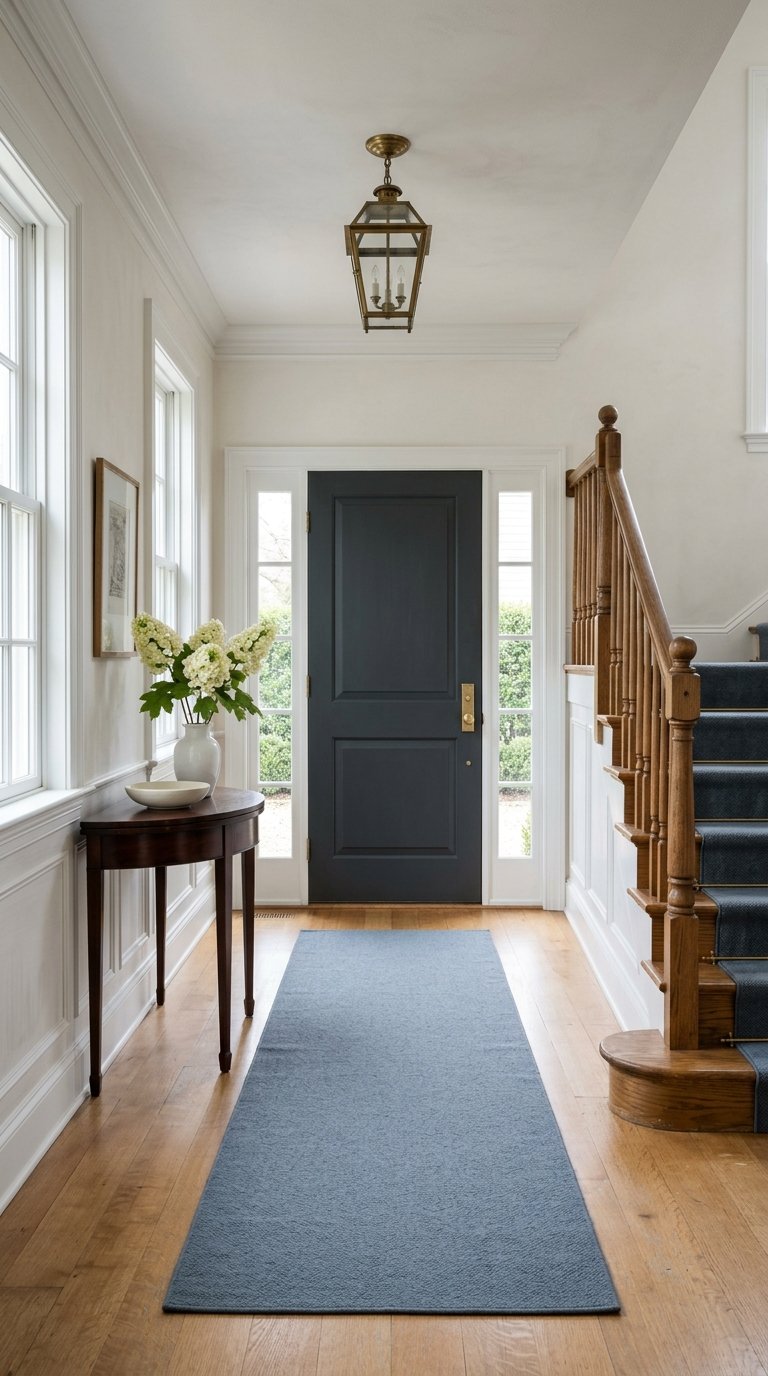
That usually means avoiding overly themed décor or faux-historic touches that can feel artificial. Buyers respond better when original trim, fireplaces, staircases, and room proportions are easy to see and understand.
Historic staging priorities
Keep the presentation focused on:
- Clear sightlines
- Balanced furniture scale
- Natural light
- Unobstructed architectural details
- Calm, edited rooms
- Clean transitions between historic character and modern living
For premium photography, this same principle applies. A complete, orderly photo set of the exterior, interior, site, and surrounding setting can reinforce the home’s provenance and level of care.
The premium-sale mindset
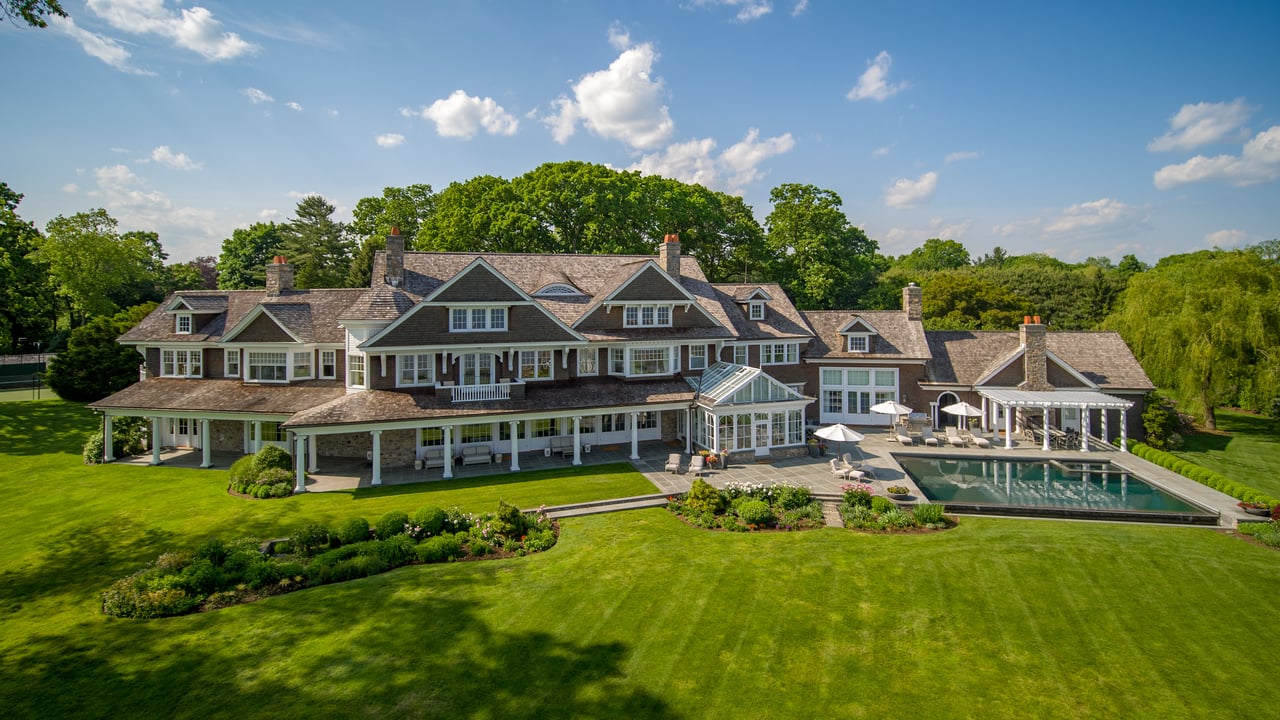
A historic Fairfield home tends to sell best when it is presented as a property that has been stewarded with intention. That means legal compliance, thoughtful updates, strong documentation, and a presentation that respects the home’s character.
In a market where buyers often value provenance, discretion, and quality of execution, that approach can set the tone for the entire sale. It signals that the house has not simply been improved for listing day. It has been cared for over time.
If you are considering the sale of a historic or architecturally significant property in Fairfield, a tailored pre-market strategy can make a meaningful difference. For discreet guidance on positioning, preparation, and presentation, connect with Andrew + Wendy.
FAQs
Do Fairfield historic district homes need approval for exterior updates before sale?
- If your property is in a local historic district, exterior alterations visible from a public way generally require a Certificate of Appropriateness before work begins.
Does repainting a historic home in Fairfield require Historic District Commission approval?
- Fairfield’s handbook says repainting and repairs that do not change the original appearance may not require approval, but you should confirm with the commission before starting.
Can you replace windows on a historic home in Fairfield before listing it?
- Window replacement can be review-sensitive because Fairfield and Connecticut standards focus closely on windows, materials, and visible exterior character.
How long does Fairfield historic review take for pre-listing exterior work?
- Connecticut law generally requires action within 65 days of filing, and Fairfield notes that some simpler repairs may be handled more quickly.
Can solar panels be added to a historic home in Fairfield?
- Potentially yes. Connecticut law says renewable energy features should not be denied unless they would substantially impair the district’s historic character and appearance, though design and placement conditions may apply.
What documents help sell a historic Fairfield home at a premium?
- Useful materials often include deeds, past permits, restoration records, historic photos, architect or builder information, and a clear photo set of the house, grounds, and notable details.