If your idea of a weekend home includes salt air, quick train access from New York, and time on or near the water, Rowayton and Darien will likely both make your shortlist. The harder question is not which one is better in the abstract, but which one better fits the way you actually want to spend your weekends. This guide breaks down the real differences in setting, waterfront access, housing character, and ownership feel so you can make a more confident choice. Let’s dive in.
Rowayton vs Darien at a glance
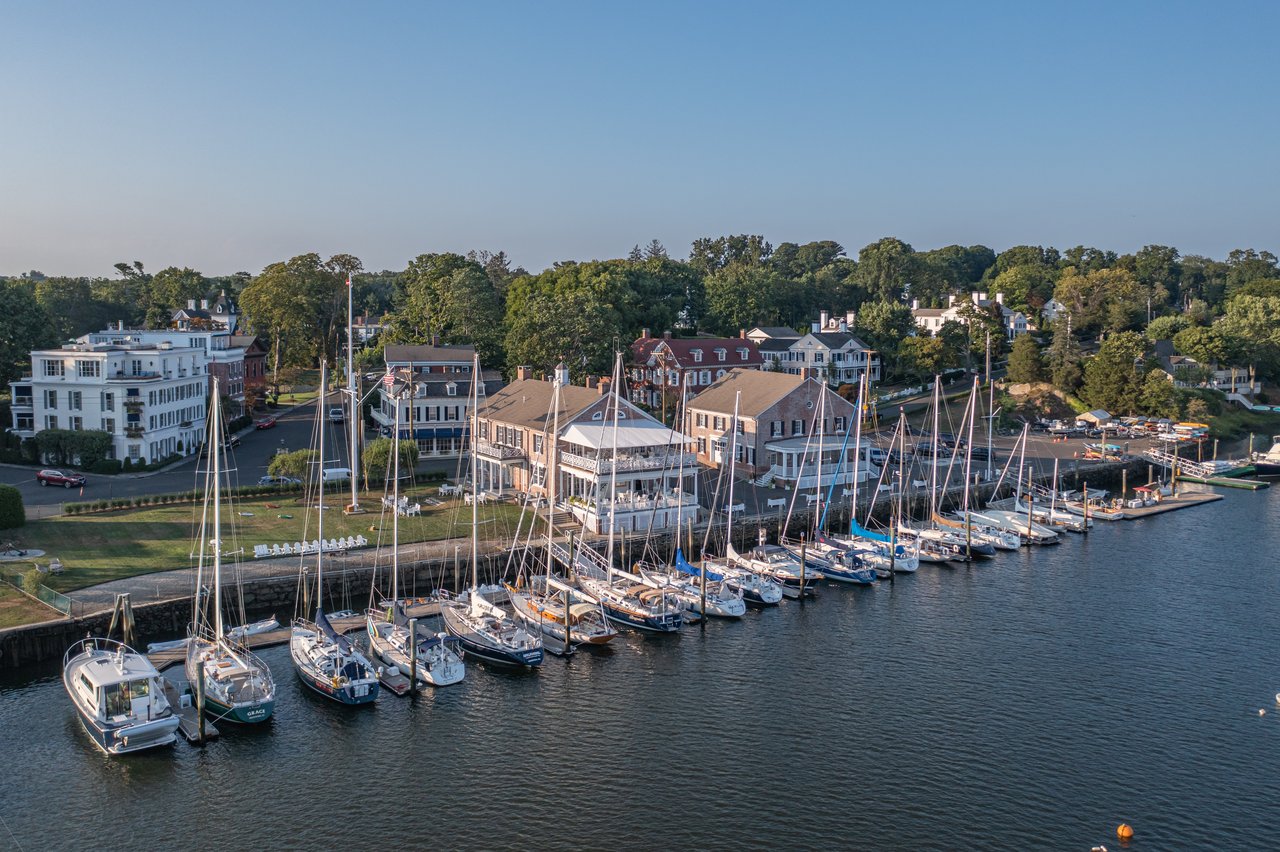
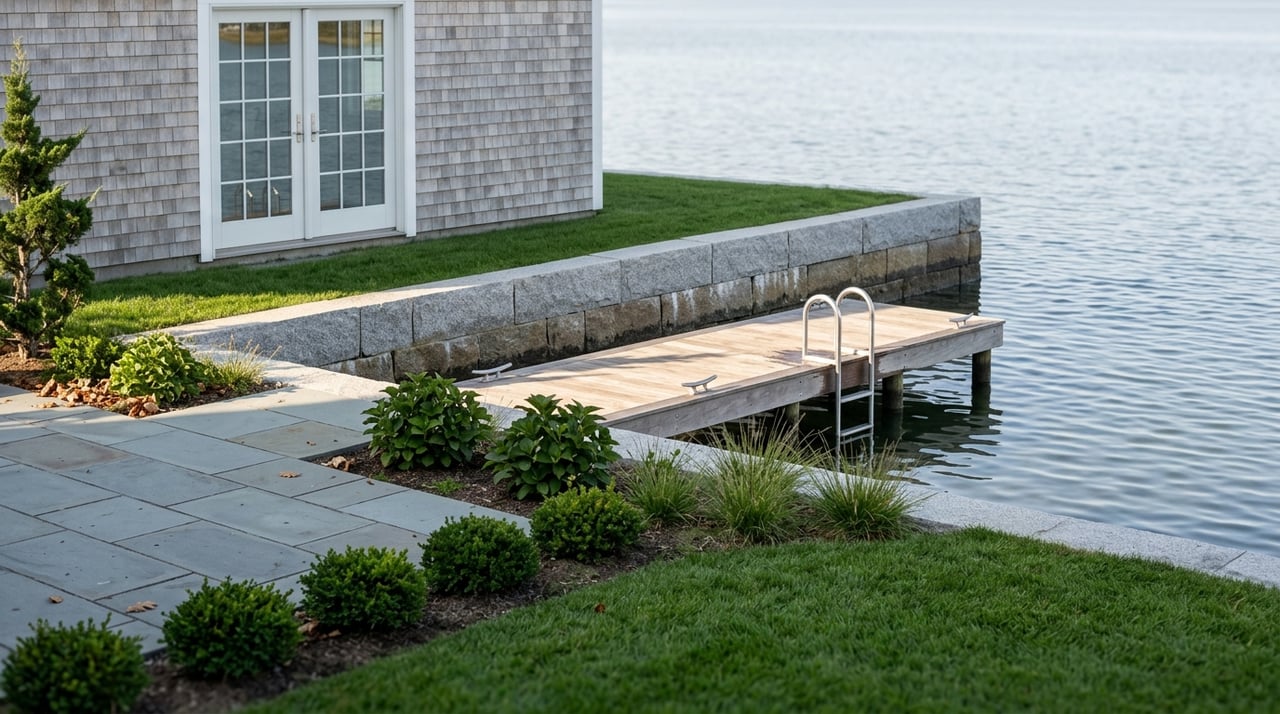
For a weekend waterfront home, the clearest distinction is simple. Rowayton feels like a tighter shoreline village, while Darien offers a broader shoreline town experience with more harbors and more varied waterfront settings.
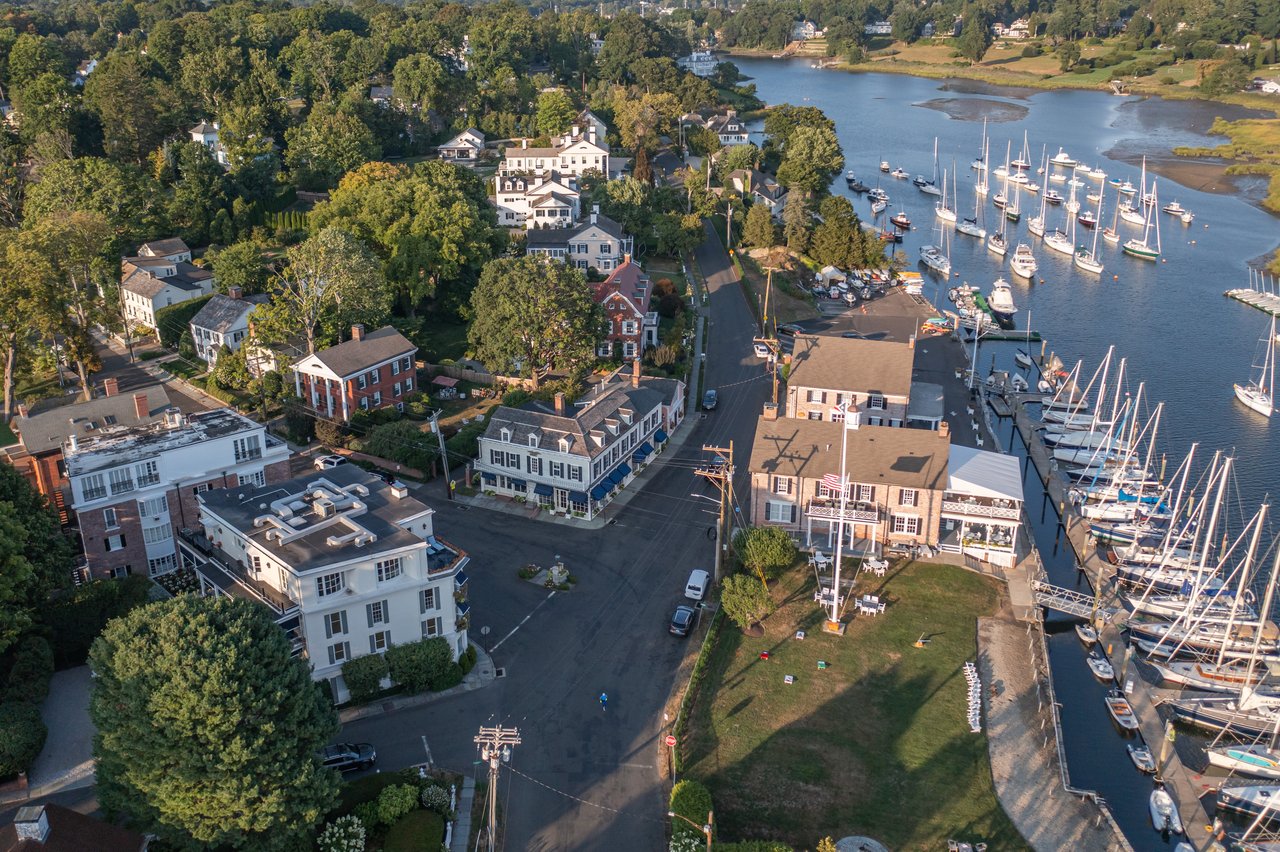
Rowayton is part of Norwalk, specifically the Sixth Taxing District, and has a long shoreline history shaped by farming, shipbuilding, small industries, and later summer-resort life. Darien, by contrast, developed a reputation for summer homes in areas like Tokeneke, Long Neck Point, and Noroton, and today presents as a larger shoreline community with an active town center and a strong interest in preserving its architectural and natural heritage.
That contrast matters because it shapes how a second home tends to live day to day. If you want a compact routine centered on a village setting and resident-oriented waterfront amenities, Rowayton may feel more natural. If you want more shoreline range and a more private harbor-oriented setting, Darien may be the stronger fit.
Rowayton for a weekend home
Rowayton has a village rhythm
Rowayton tends to appeal to buyers who want a distinct sense of place in a smaller footprint. Norwalk’s zoning for the Rowayton Avenue Village District emphasizes preserving neighborhood character and public access, which helps explain why the area feels cohesive and waterfront-adjacent rather than spread out.
For a weekend owner, that can be a real advantage. Your time away is limited, and a more compact setting can make it easier to settle into a familiar routine quickly, whether that means heading to the beach, walking through the village, or simply enjoying a house with strong local character.
Bayley Beach shapes the lifestyle
A major part of Rowayton’s waterfront identity is Bayley Beach. The Sixth Taxing District owns and maintains the beach for residents, and during the season it offers lifeguards, a playground, basketball and volleyball areas, showers, a pavilion with a snack bar, restrooms, changing rooms, picnic tables, and grills.
That setup supports a very specific kind of second-home use. If you picture weekends anchored by a resident beach environment rather than a long circuit of different shoreline destinations, Rowayton delivers a focused and familiar pattern.
It is also worth noting that in-season access works through resident stickers or walk-in passes, and launch access is limited to hand-propelled craft. For some buyers, that resident-oriented structure is a benefit because it reinforces the close-knit village feel.
Rowayton homes often bring character
Rowayton’s housing story is layered and highly distinctive for a smaller shoreline community. Historic Rowayton notes that 177 houses have been plaqued, with districts that include early shoreline homes, Oysterman’s Row, the Five Mile River Landing district, and the Depot district.
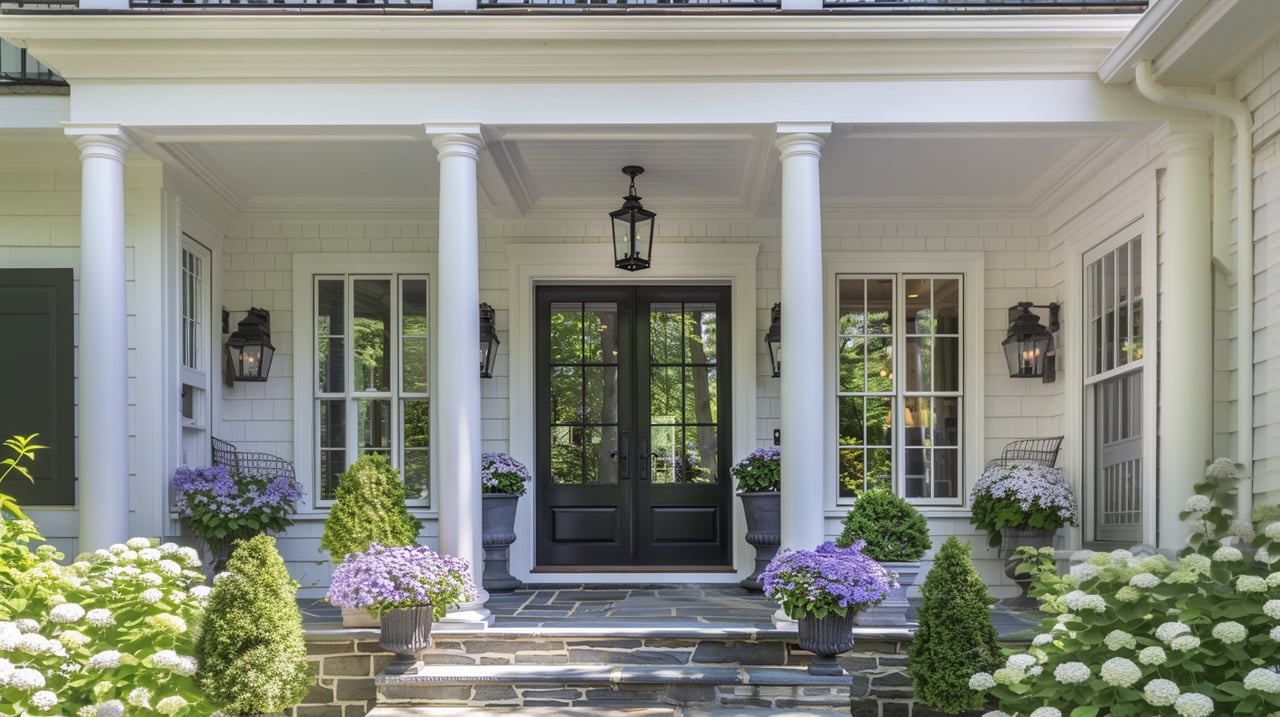
The preserved building types include boathouses, barns, old stores, and summer-resort-era houses. In practical terms, that often means a mix of historic cottages, older village homes, renovated smaller residences, and a limited number of especially distinctive waterfront properties.
For the right buyer, that is the appeal. If you value provenance, architecture, and a house with a story, Rowayton may offer a more personal and textured ownership experience than a place that feels newer or more standardized.
Darien for a weekend home
Darien offers more shoreline range
Darien brings a different scale to the waterfront conversation. The town reports 16.5 miles of Long Island Sound coastline and five harbors, which gives it a wider shoreline system than Rowayton.
That broader geography creates more variety in how waterfront living can feel. Some settings are more public-facing and active, while others read as more private and tied directly to waterfront ownership.
For a second-home buyer, this often translates into optionality. You may not be choosing just between house styles, but between a more open beach-oriented pattern and a more private harbor-oriented one.
Darien’s access points are more varied
Darien’s Harbor Master notes that only Darien Harbor at Pear Tree Point Beach and Noroton Bay at Weed Beach are accessible by land, while other coves are effectively the domain of waterfront owners. Pear Tree Point Beach includes a bathing area, picnic area, gazebo, bathhouse, boat launch ramp, and kayak racks.
Weed Beach adds tennis and paddle courts, a clubhouse, playground, picnic area, concession stand, sandy beach, and swimming area. In season, beach emblems and boat-launch permits are required, and nonresidents can purchase day passes.
This setup tends to suit buyers who want more than one shoreline option, or who place a premium on the privacy that can come with certain harbor settings. In that sense, Darien can feel less centered on one village waterfront routine and more defined by a broader coastal network.
Darien homes often skew larger and more private
Darien remains primarily a single-family town, and its housing plan notes that density is concentrated downtown and near the train stations. Historically, waterfront and summer-home development clustered in Tokeneke, Long Neck Point, and Noroton.
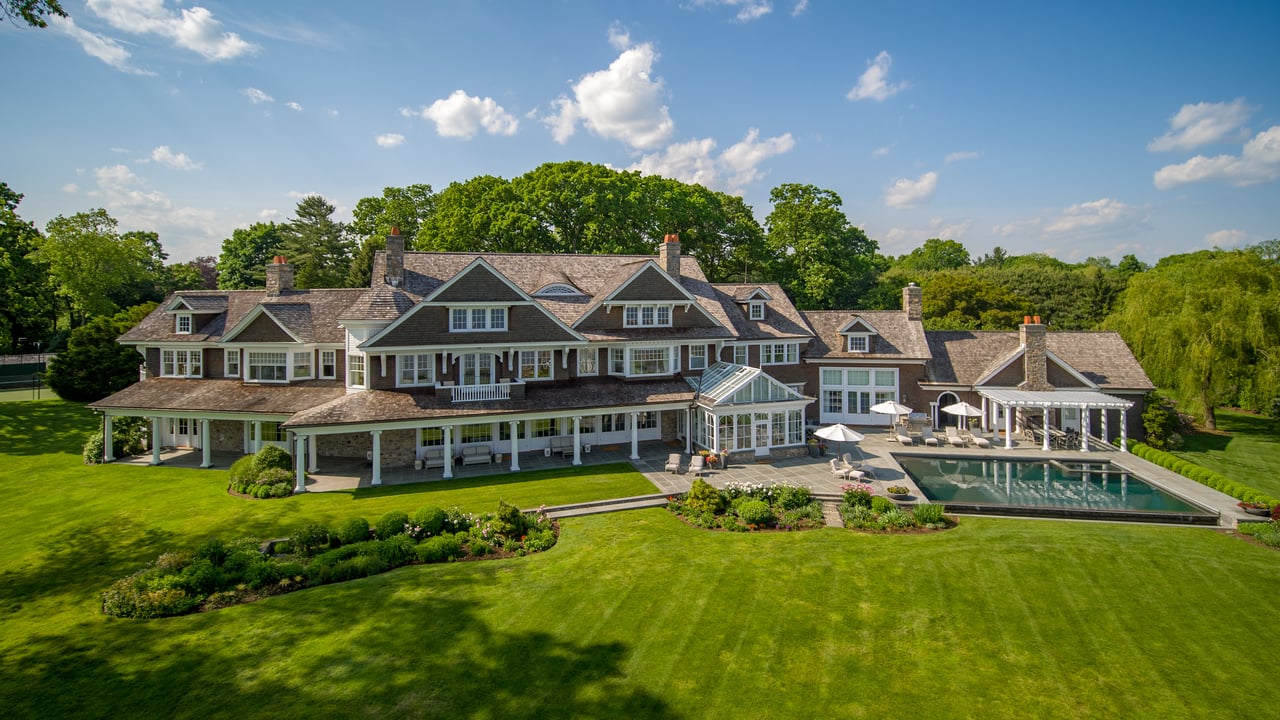
That pattern helps explain why Darien often reads as more estate-oriented along the shoreline. References such as the Mather Homestead and Great Island’s estate house, stables, riding ring, and beach cottage reinforce the town’s history of larger-scale residential properties.
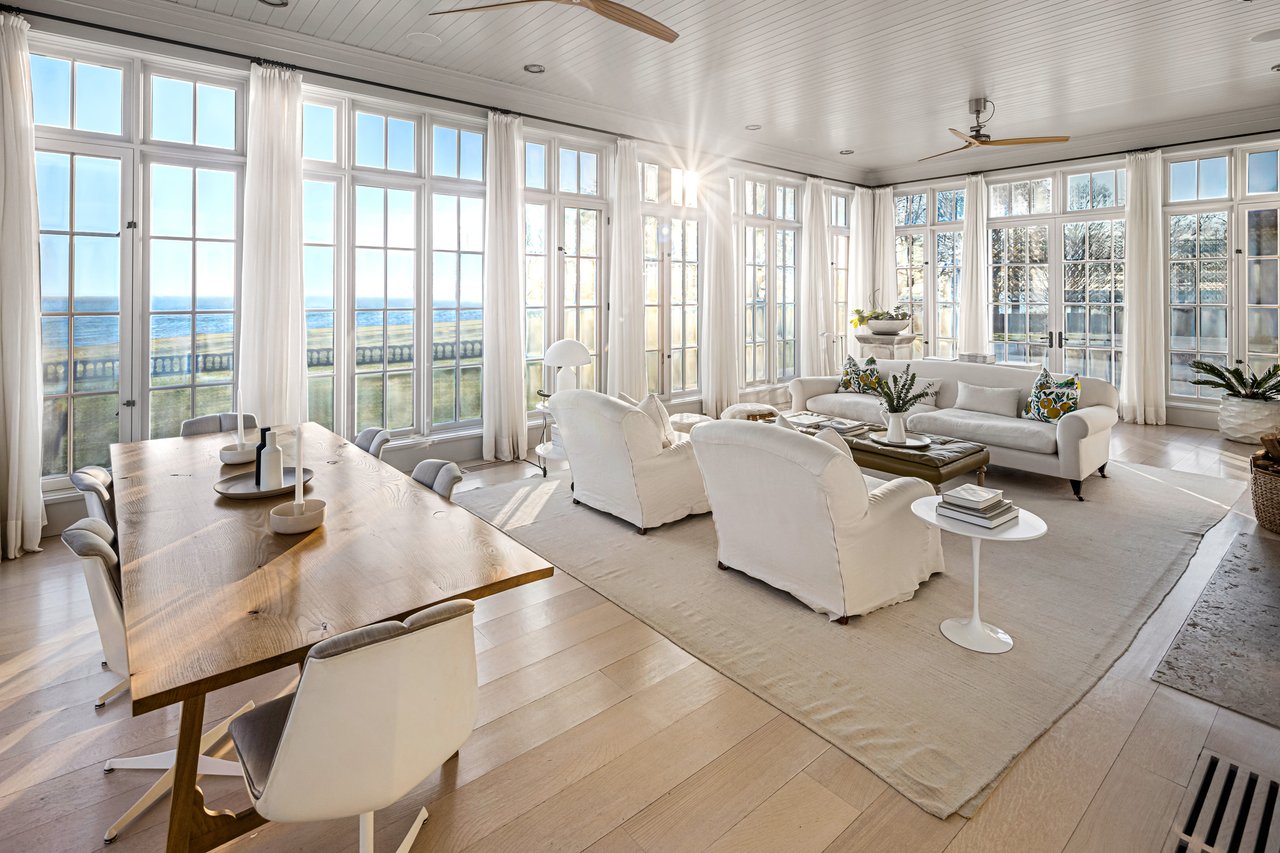
For a weekend buyer, this usually means you are more likely to encounter larger-lot and more private waterfront settings. If your version of a second home is quiet, secluded, and tied to a more substantial property footprint, Darien may align more closely with that vision.
Which town is easier to maintain?
If low-maintenance ownership is high on your list, the answer is nuanced. The available information suggests that Darien’s newer condo, townhouse, or mixed-use homes near downtown and the train stations may offer the easiest lock-and-leave option, because the town’s housing plan places denser and mixed-use development in those areas.
Rowayton’s shoreline housing stock, by comparison, is older and more character-rich. That can be deeply appealing, but older homes often ask for more attention to the building itself, especially if authenticity and historic detail are part of the reason you are buying there.
This does not mean Rowayton is impractical for a second home. It simply means the ownership experience may lean more toward stewardship, while Darien may offer a few more pathways to convenience depending on where and what you buy.
Train access from New York
For many weekend buyers, rail access is part of the decision. Both communities are served by the New Haven Line, with Rowayton, Darien, and Noroton Heights stations all on the route.
That shared train access is important because it keeps the comparison focused where it belongs. In this case, the difference is less about basic reach from New York and more about what awaits you once you arrive.
How to choose between Rowayton and Darien
Choose Rowayton if you want
- A compact waterfront village feel
- A resident-oriented beach routine centered on Bayley Beach
- Historic cottages, older homes, and architecture with provenance
- A second home that feels personal, storied, and deeply local
Choose Darien if you want
- More shoreline variety across harbors and beach settings
- Greater access to private-feeling waterfront environments
- Larger-lot or more estate-oriented property patterns
- More potential low-maintenance options near downtown or train stations
The bottom line for weekend buyers
The choice between Rowayton and Darien is not really about whether one has water and the other does not. Both offer shoreline access, train convenience, and a strong sense of coastal Connecticut living.
The real question is how you want your weekends to unfold. Rowayton tends to suit buyers who want a close-knit, historic, resident-run shoreline village, while Darien tends to suit buyers who want a wider harbor-and-estate shoreline with more privacy and range.
If you are weighing a waterfront purchase in lower Fairfield County, a nuanced read of setting, housing stock, and ownership style matters. For discreet guidance on evaluating distinctive shoreline opportunities, including selectively marketed properties, connect with Andrew + Wendy.
FAQs
Is Rowayton part of Darien or Fairfield?
- No. Rowayton is part of Norwalk and functions as the Sixth Taxing District.
Is Rowayton or Darien better for a beach-centered weekend home?
- Rowayton may be a better fit if you want a routine centered on Bayley Beach, while Darien may suit you if you want access to multiple shoreline destinations such as Pear Tree Point Beach and Weed Beach.
Are Rowayton and Darien both accessible from New York by train?
- Yes. The New Haven Line serves Rowayton, Darien, and Noroton Heights.
What kind of waterfront homes are common in Rowayton?
- Rowayton is known for a layered mix of historic cottages, older village homes, renovated smaller residences, and a limited number of distinctive waterfront properties.
What kind of waterfront homes are common in Darien?
- Darien’s waterfront areas often reflect a more private and estate-oriented pattern, especially in places historically associated with summer-home development such as Tokeneke, Long Neck Point, and Noroton.
Which is easier for low-maintenance second-home ownership, Rowayton or Darien?
- Darien may offer more straightforward lock-and-leave options near downtown and the train stations, while Rowayton’s older, character-rich housing stock may require more ongoing attention.