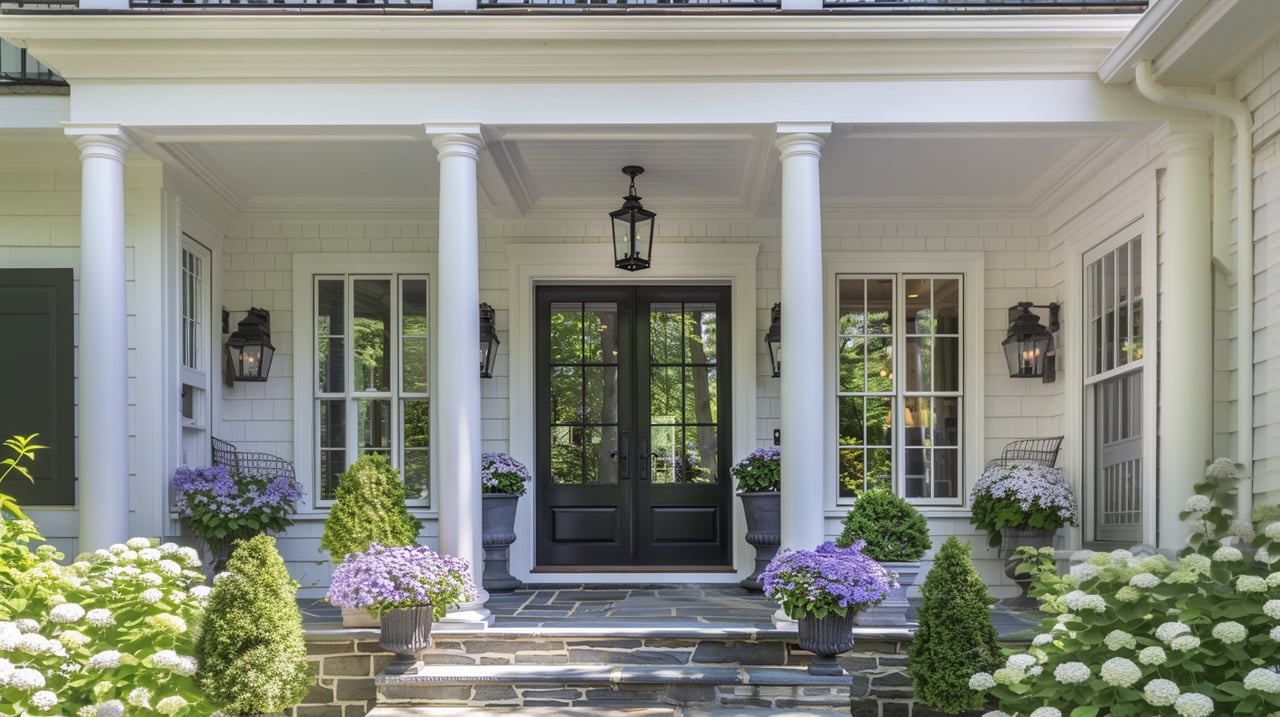
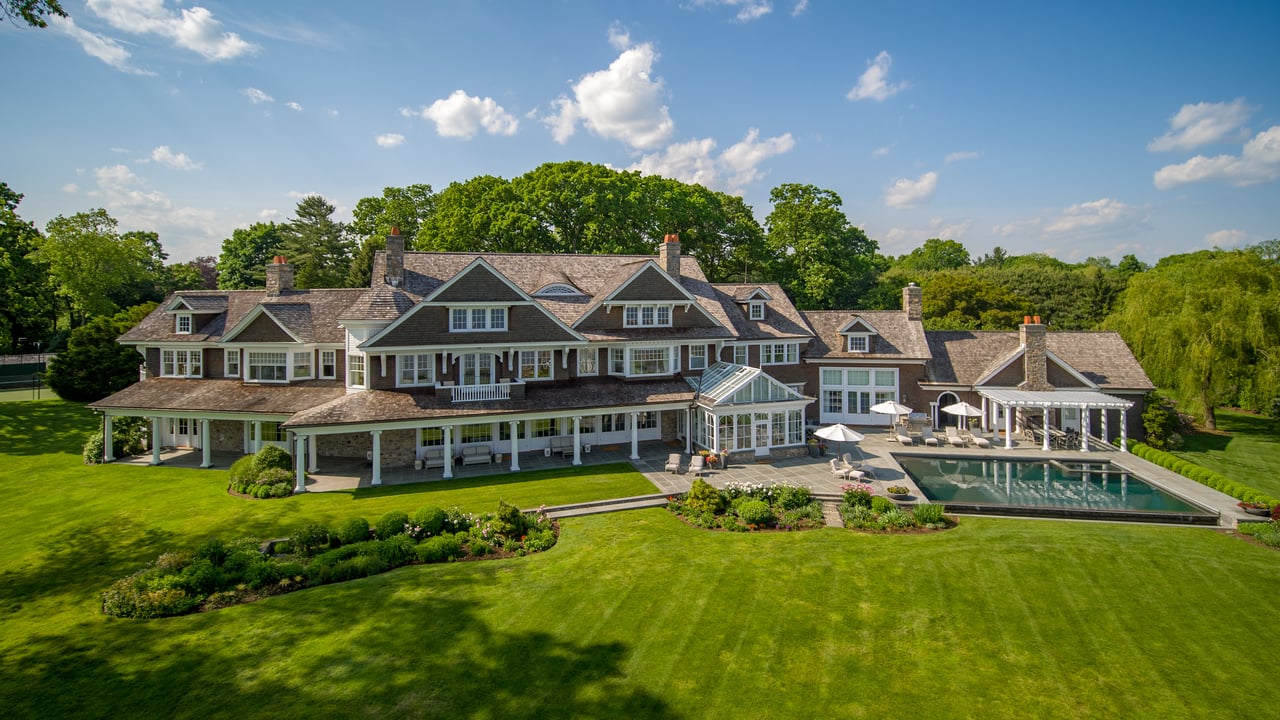
Thinking about selling your Southport home in the Historic District? You already know it is special. Buyers are drawn to authenticity, craftsmanship, and the streetscape that makes Southport feel timeless. With that appeal comes a few extra steps. In this guide, you will learn what to expect, how to plan updates, and how to market provenance so you protect value and time your sale with confidence. Let’s dive in.
What makes a historic sale different
Southport’s Historic District is overseen locally by a municipal Historic District Commission, often called the HDC. The HDC typically reviews exterior work that is visible from a public way and may require formal approval before changes are made. This approval is commonly called a Certificate of Appropriateness, or COA.
Interior changes and most nonvisible mechanical work are usually outside the HDC’s scope. HDC approvals are separate from building permits, zoning, wetlands, and other reviews. If your project needs multiple approvals, you should expect them to happen in sequence.
If work is done without required approvals, the town can order it to stop, and in some cases you may need to restore altered elements. Buyers value clear documentation, so getting this right upfront helps your sale.
Know what needs approval
Exterior changes visible from public ways
Work that changes the exterior appearance typically triggers review. Common items include siding, windows, doors, trim, roof material, porches, chimneys, fences, signs, exterior lighting, and sometimes paint colors. Additions, new construction, and any demolition also fall under review.
Items usually outside HDC review
Interior updates, like kitchens and baths, and nonvisible mechanical work are often not regulated by the HDC. That said, local rules can vary. If you are unsure whether something is visible or subject to review, ask the Town of Fairfield HDC before you proceed.
Other approvals still apply
An HDC approval does not replace building permits or other land use reviews. Plan your sequence. For example, many projects pursue the COA first, then submit for permits.
Plan pre-listing updates strategically
Your goal is to enhance marketability while respecting the district’s standards. The best approach balances high-impact updates with compliance.
Prioritize permitted, high-ROI work
Interior and systems upgrades usually offer strong returns and typically do not require HDC approval. Examples include modernized kitchens, refreshed baths, updated electrical, and HVAC. These help buyers focus on lifestyle and comfort.
Routine exterior maintenance that is in-kind repair is often encouraged. Examples include repairing wood rot, repointing chimneys, and replacing missing shingles with matching material. These tasks improve curb appeal and are usually straightforward when done to match existing conditions.
Repair first, replace second
Many HDCs prefer repair over replacement, especially for original windows, doors, and exterior trim. If replacement is necessary, select materials and profiles that match the original appearance. Keep a record of why replacement is needed and gather quotes. That documentation can support your case in an HDC review.
Paint and finishes
Whether paint color needs review varies by district. If colors are reviewed in Southport, prepare color chips and any historic precedent to speed up the discussion. If colors are not regulated, choose hues that complement the architecture and streetscape.
Additions and larger changes
Additions, dormers, and other significant exterior alterations usually require a formal COA and can take more time. If you hope to add space to increase value before listing, build that timeline into your plan. Design revisions are common, and the review can span multiple meetings for complex work.
Landscaping and site work
Simple, temporary staging elements such as potted planters or seasonal flowers are typically fine. Permanent site changes that are visible from public ways, like driveways, stone walls, or gates, may require review. Clarify what is considered visible from the public way for your property.
Assemble documentation early
Create a clean folder of photos, maintenance records, prior permits and COAs, contractor scopes, and any recorded easements. This set supports a smoother HDC process and reassures buyers that stewardship has been thoughtful.
HDC approval process and timing
While procedures vary by town, you can expect a predictable sequence.
Optional pre-application consultation. Early conversations reduce surprises and help you calibrate scope.
Prepare the application package. Include plans, elevations, material samples, photos, and a short narrative explaining why the work meets preservation standards.
Submit by the posted deadline. Applications are usually heard at a scheduled public meeting.
Attend the HDC meeting. Decisions may be approval, approval with conditions, continuation for revisions, or denial.
If approved, obtain the written COA. Then apply for building permits if your work requires them.
Timing depends on scope. Preparing materials can take 1 to 4 weeks. Many commissions meet monthly, so you should budget 2 to 6 weeks from submission to hearing when an application is complete. Complex work, such as additions or demolition, can take several months and multiple meetings. Some HDCs have expedited paths for emergency stabilization or very minor repairs.
Coordinate approvals with your sale strategy
If you plan to market the property with proposed changes that matter to buyers, such as a future addition or window replacements, seek approvals before going live when possible. Lenders and insurers underwrite based on condition and systems. Unapproved changes or open questions can slow a deal or increase costs. If approvals are pending, disclose timelines clearly and set realistic contingencies in your contract.
Present provenance and condition with care
Buyers of historic homes respond to authenticity and stewardship. Your marketing should make that story unmistakable.
- Emphasize documented history whenever known. Share construction date, original architect if documented, notable past owners, and the home’s designation status.
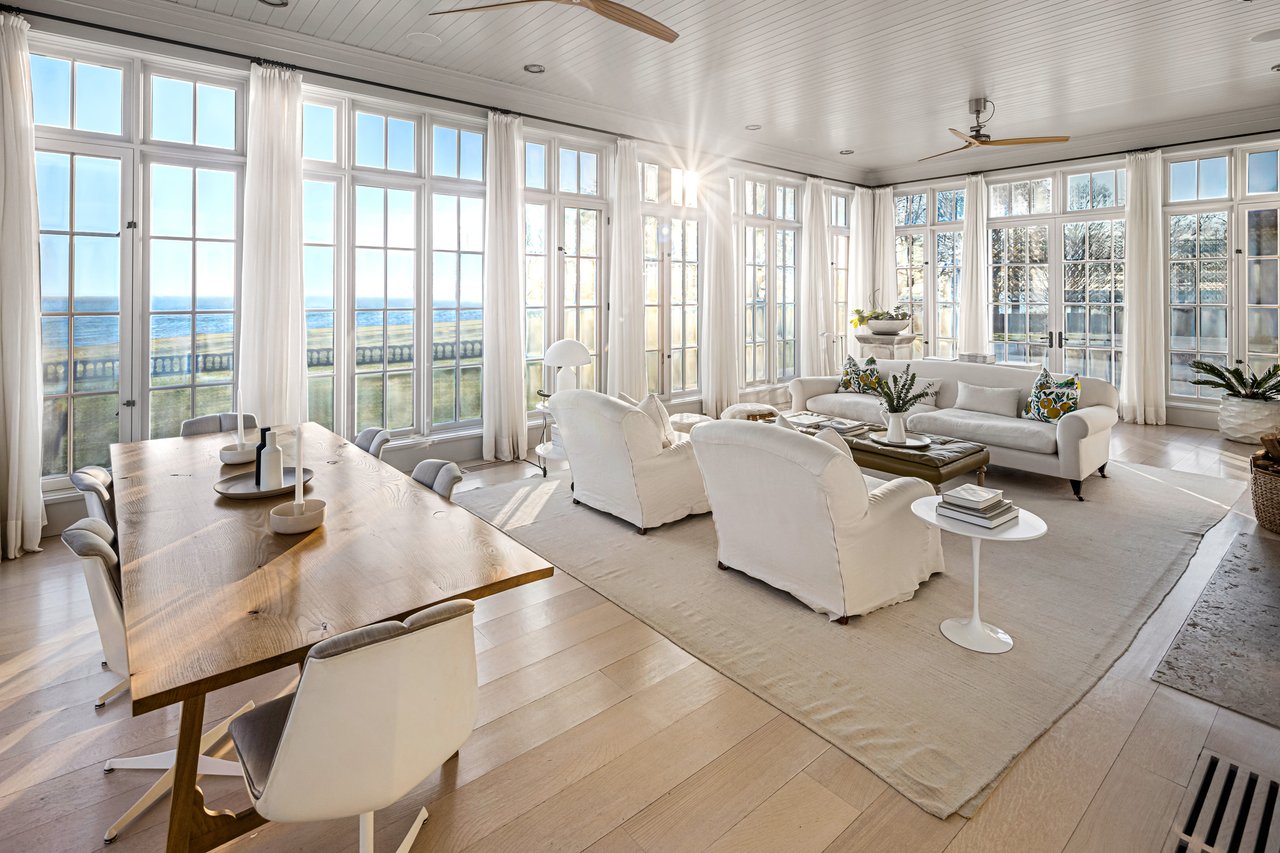
- Showcase original features with professional photography and clear floor plans. Think moldings, staircases, wide-plank floors, fireplaces, and original doors or windows.
- Describe recent in-kind repairs and approved restorations. Mention COAs on file, maintenance records, and any skilled trades involved. Documentation signals quality and reduces uncertainty.
- Stage to support the architecture. Furnishings and color palettes should complement original features rather than compete with them.
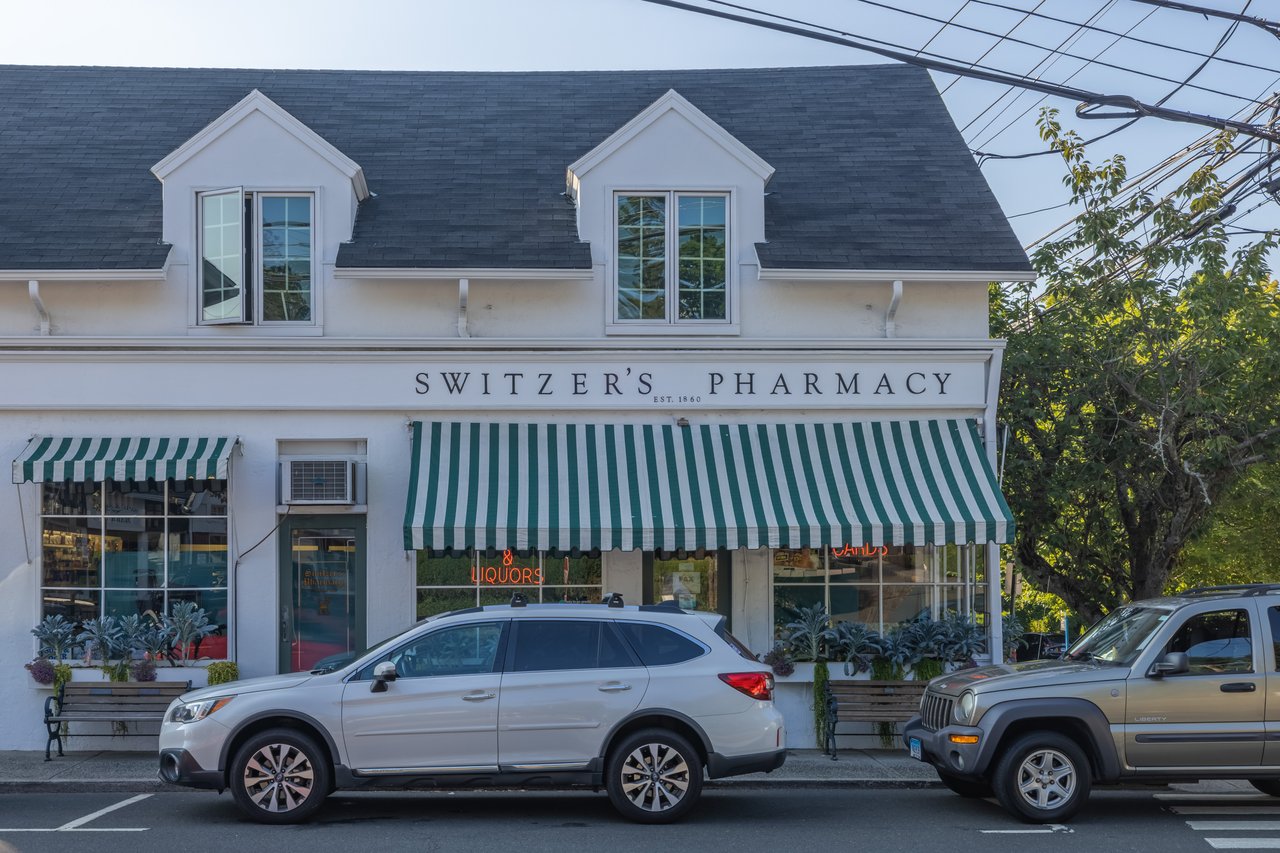
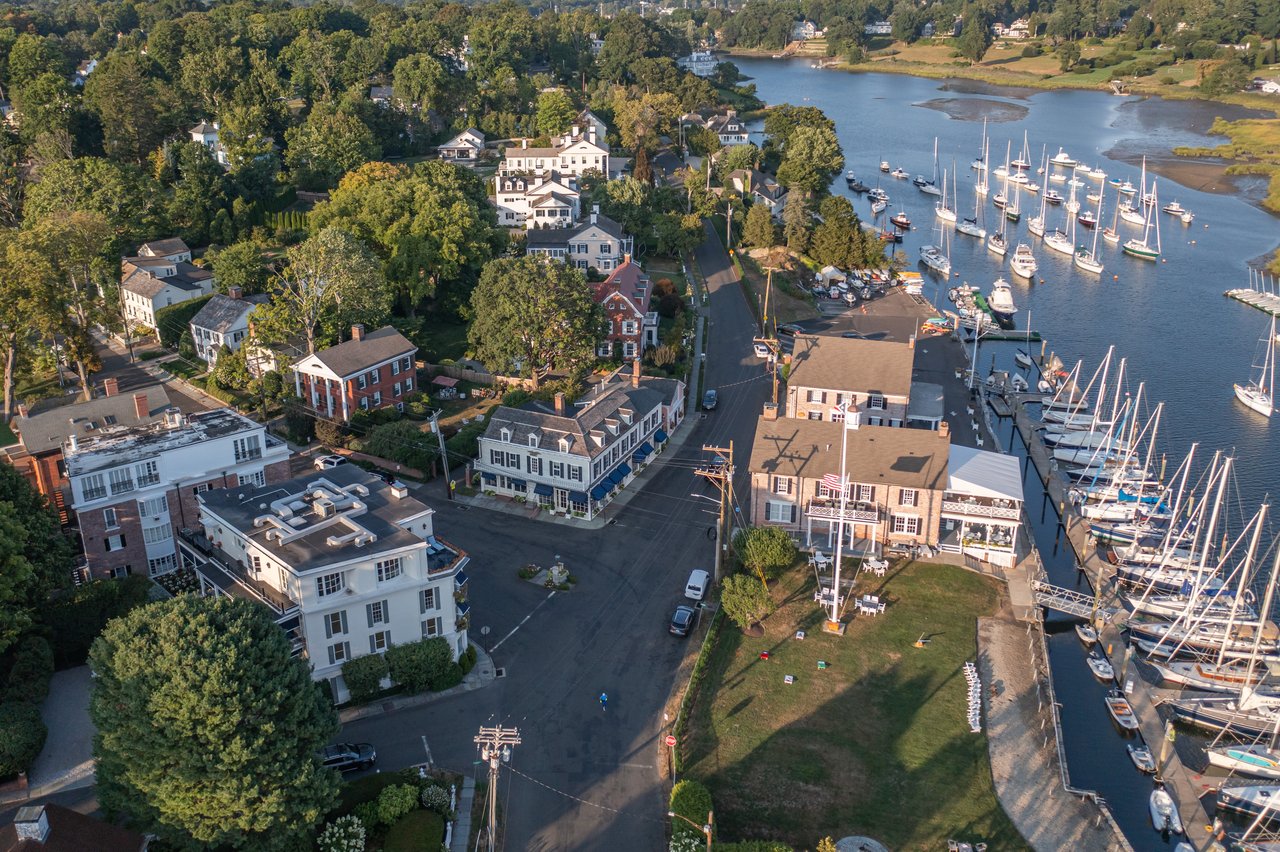
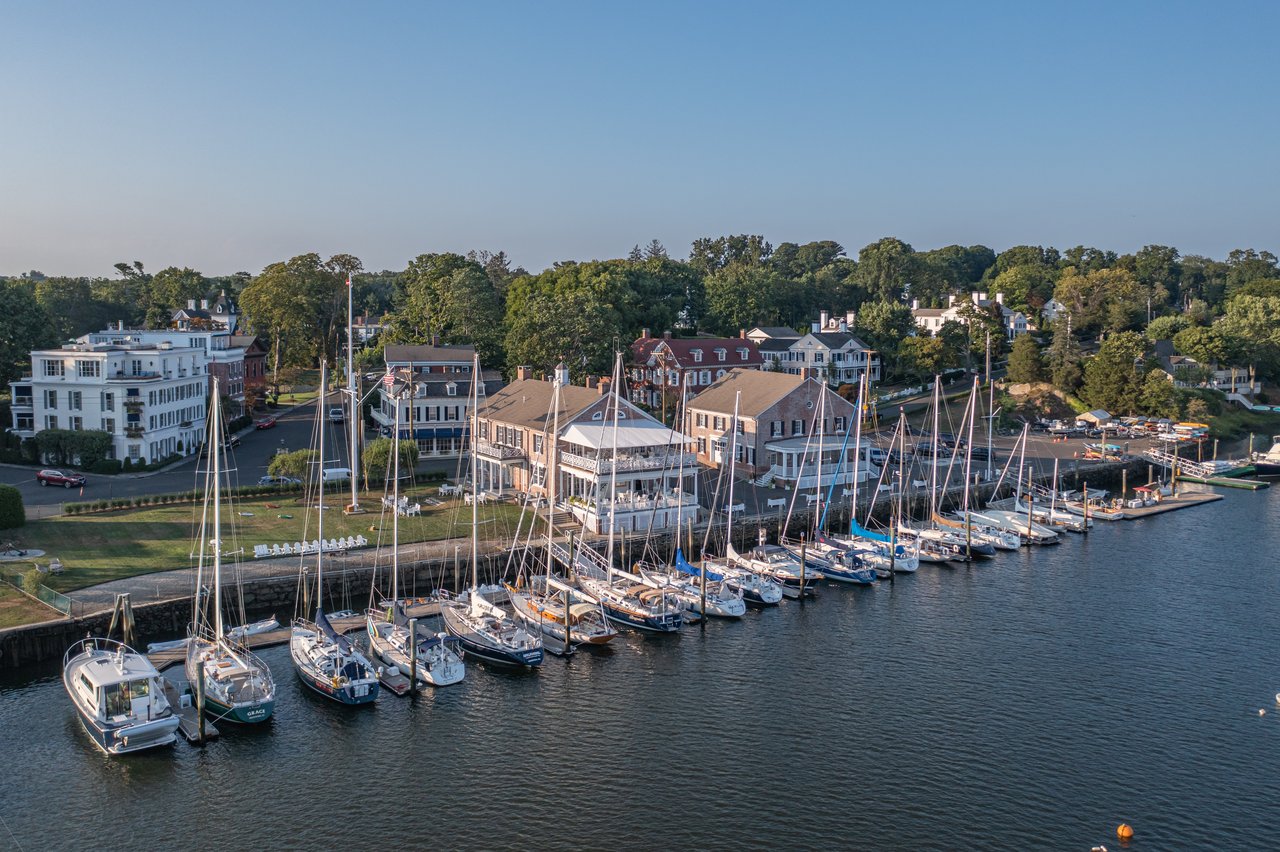
- Capture the exterior from the public way and show context within the Southport streetscape. Setting is part of the appeal.
- Be precise in claims. Do not overpromise incentives or protections. If tax credits or grants are discussed, direct interested parties to state preservation offices for current programs.
Price and position for Southport buyers
Historic designation is not a value guarantee by itself. Condition, rarity, and integrity of original fabric play a large role. Price to the market you are in, not just to the category of “historic.” Properties that are well maintained, with documented preservation work and a clear path for any future changes, tend to attract more committed buyers.
Work with experienced specialists
Choose contractors who know preservation craft and are familiar with HDC procedures. They can produce the drawings and samples that help review go smoothly. For complex projects, involve an architect or preservation consultant. For the sale itself, work with an agent who understands Southport’s Historic District, the HDC process, and how to position provenance for qualified buyers.
Seller checklist
- Contact the Fairfield HDC before any exterior work for a pre-application consultation.
- Assemble photos, maintenance records, prior COAs and permits, and contractor bids.
- Prioritize nonvisible, high-ROI upgrades such as systems, kitchens, and baths if time is limited.
- For visible work, favor repair and in-kind replacement with historically compatible materials.
- Allow extra time for HDC review when setting listing dates and contract contingencies.
- Collect COAs and permits for your marketing packet and highlight documented stewardship.
- Partner with an agent who specializes in Southport historic homes and understands HDC sequencing.
What to expect in offers and due diligence
Expect buyers to ask for documentation of approvals and maintenance. Provide clear records of any HDC decisions, permits, and work scopes. If planned work is not yet approved, disclose that status and share a realistic timeline. This approach limits renegotiation later and helps keep your escrow schedule on track.
Final thoughts
Selling in Southport’s Historic District rewards careful planning. Focus on high-impact updates that do not require review, prepare thorough documentation, and approach visible changes with respect for historic fabric. With a realistic timeline and an experienced team, you can protect your home’s story while achieving a strong market result.
If you are considering a sale this year and want a quiet, strategic plan tailored to your property, connect with Andrew + Wendy to request a confidential valuation and timeline.
FAQs
Do I need permission to repaint or replace windows in Southport’s Historic District?
- It depends on local rules. Many commissions treat paint colors differently, and windows are often a focus. Repair is usually preferred, and replacement may require HDC approval with historically appropriate profiles.
How long does HDC approval take in Fairfield?
- Routine maintenance or minor work can move in weeks, while additions or demolitions can take several months and multiple meetings. Check deadlines and plan ahead.
Can I add an addition or build a garage on a historic Southport property?
- Additions are possible. The HDC typically reviews scale, materials, and placement for compatibility with the streetscape and visibility from public ways.
Will historic designation reduce my buyer pool or value in Southport?
- Some buyers pay premiums for authenticity and setting, while others prefer fewer restrictions. Value depends on condition, demand, and quality of stewardship.
Are there financial incentives for restoring a historic home in Connecticut?
- Incentives exist mainly for income-producing properties or certified rehabilitation projects. Homeowner programs vary. Direct interested parties to state preservation offices for current options.
Do historic rules affect insurance or financing for a Southport sale?
- Lenders and insurers focus on condition, age, and systems. Historic status does not automatically block a mortgage or policy, but required materials or conditions can affect cost. Engage lenders and insurers early.