Trying to choose between Westport waterfront and in-town living? You are not just picking a house style or price point. You are choosing the rhythm of your daily life, from how you spend a summer afternoon to how easily you reach downtown or the train. If you are weighing both options, this guide will help you compare lifestyle, convenience, and resale considerations so you can decide with more clarity. Let’s dive in.
Why This Choice Feels So Different
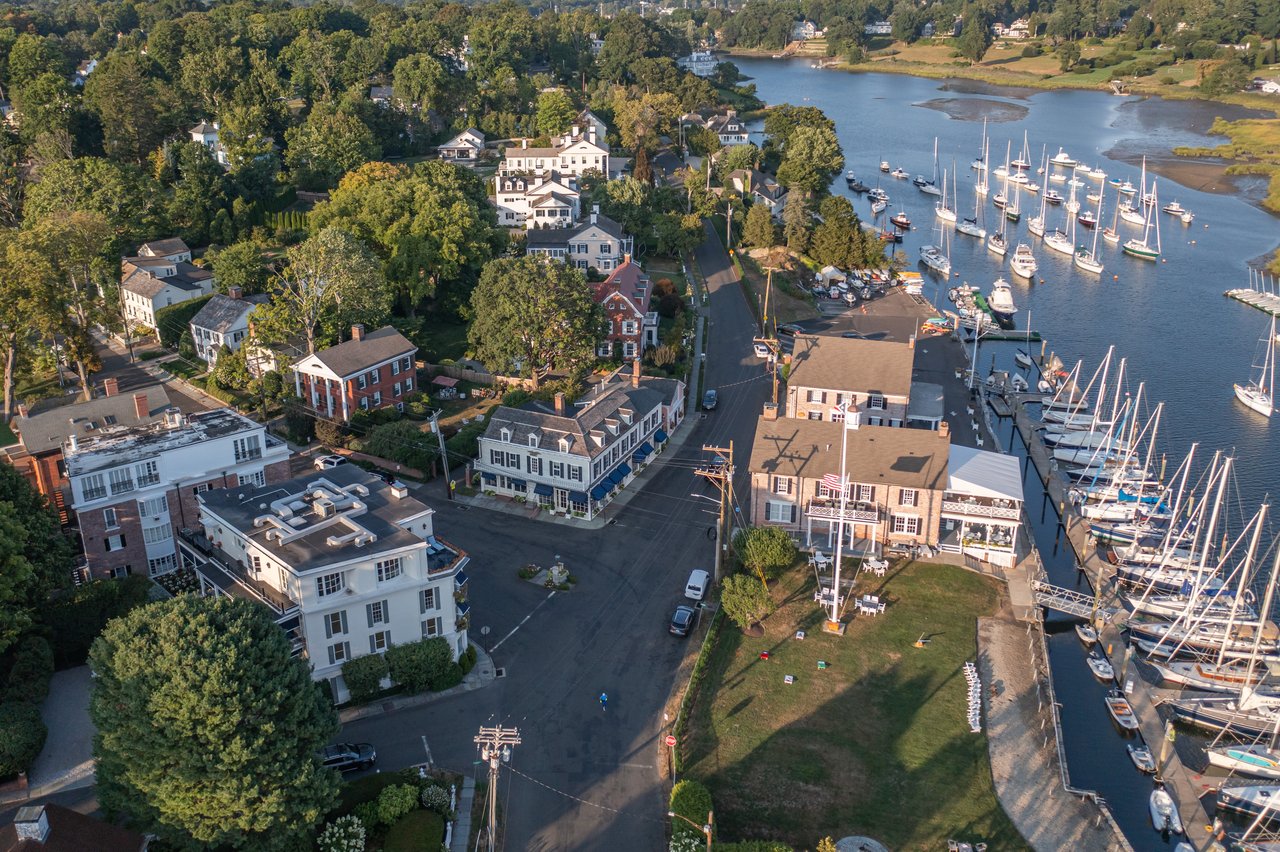
In Westport, the shoreline and the town center are close geographically, but they offer very different living experiences. On one side, you have beaches, marinas, and the pull of Long Island Sound. On the other, you have a more walkable village setting shaped around downtown amenities and everyday convenience.
That contrast is built into the town itself. Westport maintains four town beaches and two marinas, while Westport Center includes a Village District Overlay Zone intended to preserve character and support a mixed-use, walkable district. For many buyers, that official planning framework mirrors the real-world decision they are trying to make.
Waterfront Living in Westport
Waterfront Lifestyle Perks
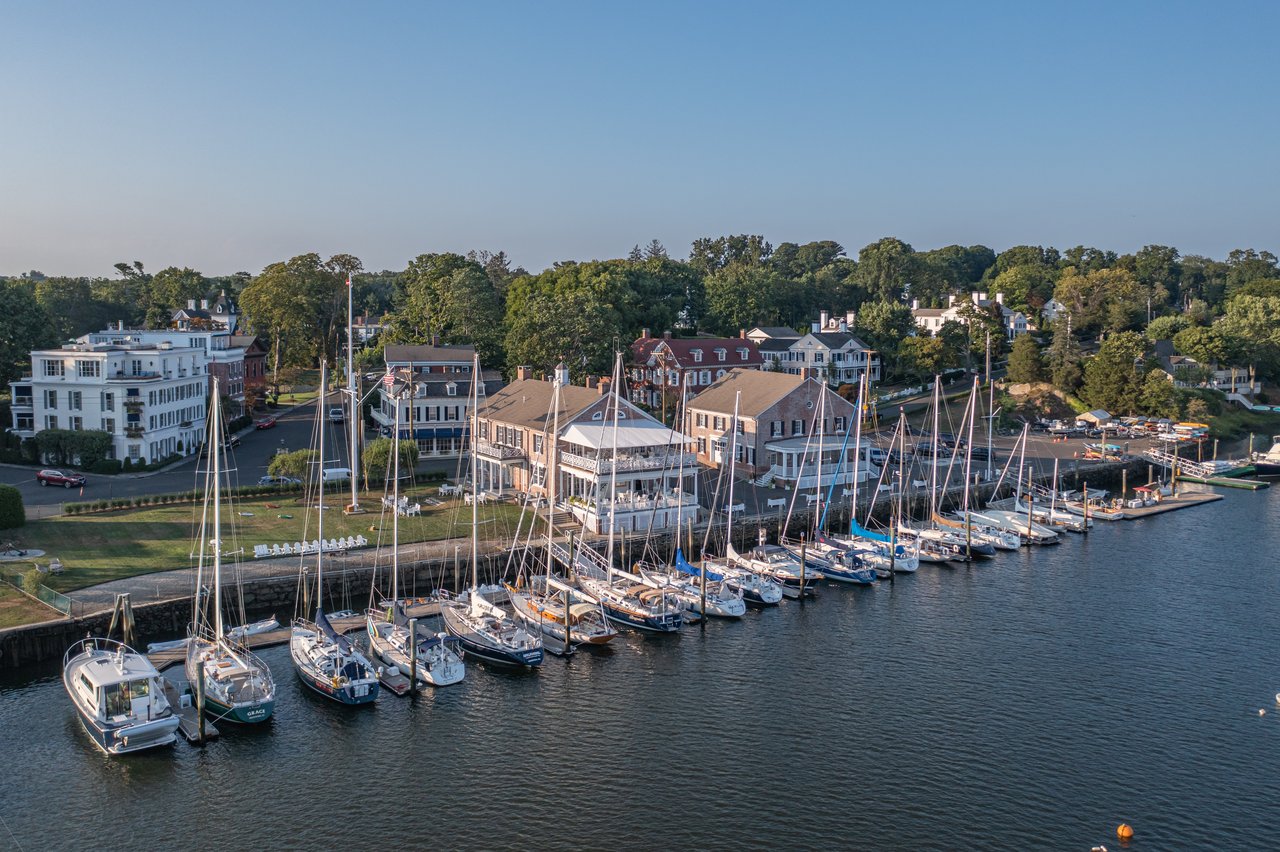
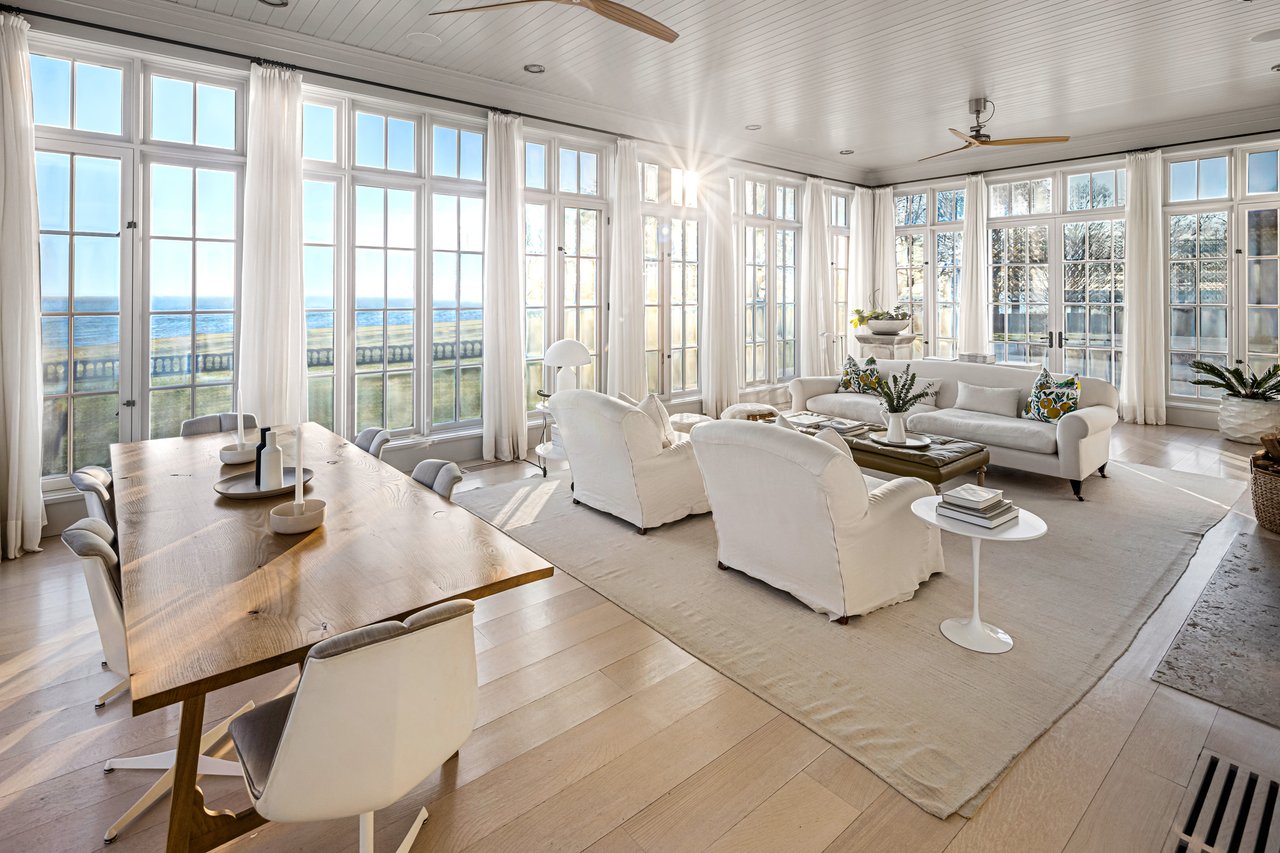
If you are drawn to waterfront living, the appeal is easy to understand. You are buying closer access to the shoreline, water views, beach time, and a more relaxed, vacation-like pace. In Westport, that lifestyle connects directly to local amenities including Compo Beach, Burying Hill Beach, Old Mill Beach, and Sherwood Mill Pond Preserve.
Compo Beach is a 29-acre park next to Ned Dimes Marina, which gives the area a strong recreational identity. Sherwood Mill Pond Preserve offers kayak and canoe access in a quieter natural setting near the water. If your ideal day includes boating, paddling, or ending the evening near the Sound, waterfront can feel like the most natural fit.
Waterfront Tradeoffs to Understand
That lifestyle comes with more logistics than many buyers expect. In Westport, shoreline access is seasonal and regulated. Beach parking often requires a town emblem or daily fee, and access rules vary by beach.
For example, Compo limits daily passes to 125. Old Mill is resident-emblem only, and Burying Hill charges daily fees if you do not have an emblem. If beach access is one of your top reasons for buying, it is worth thinking about how often you will use it and whether the rules fit your routine.
Boating Access Is Not Automatic
Many buyers assume that living near the water makes boating simple. In practice, boating access in Westport deserves a closer look. The town maintains Ned Dimes Marina and E.R. Strait Marina, but in-water slips are resident-only and wait-listed by boat size.
That means boating should be treated as a true decision point, not just a bonus amenity. If keeping a boat in town matters to you, the details around slip access and timing may shape which property feels most practical.
In-Town Living in Westport
In-Town Convenience and Walkability
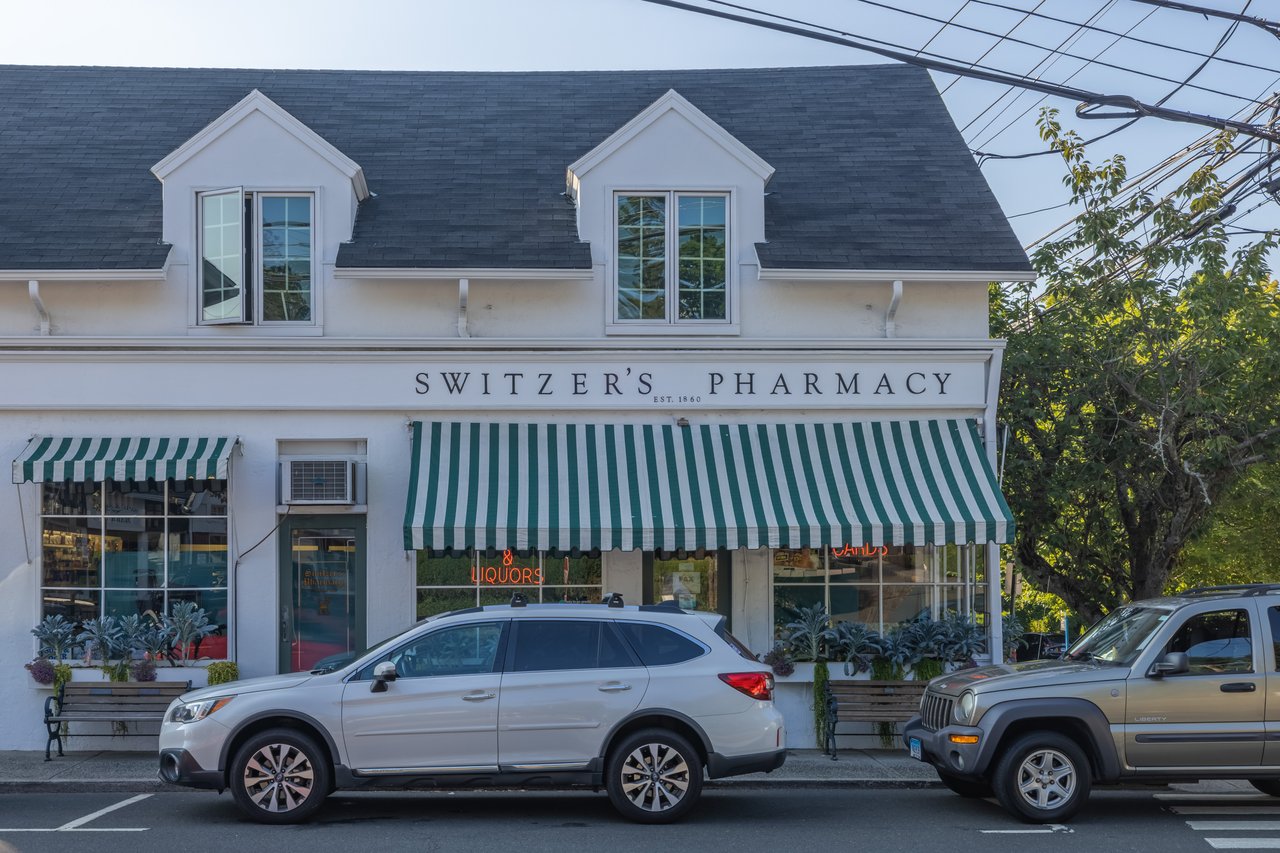
If you prefer a more connected daily routine, in-town Westport may offer a better match. Westport Center is designed around merchants, public parking, the Westport Library, and cultural destinations like the Levitt Pavilion along the Saugatuck River. The town’s Village District Overlay specifically supports a mixed-use, walkable district.
For many buyers, that translates into simpler day-to-day living. You may find it easier to move between errands, dining, events, and community spaces without planning your day around shoreline access rules or seasonal parking.
Train Access for Commuters
For buyers who still need regular access to New York City, the Westport station is a major factor. The station sits on Metro-North’s New Haven Line and includes accessibility features, ticket machines, restrooms, and waiting areas. Current MTA service information shows regular trains to Grand Central.
If your week includes office days, business travel, or frequent city trips, being closer to the station can make a meaningful difference. For some buyers, that convenience outweighs the emotional pull of being near the water.
A Different Kind of Luxury
In-town living may not deliver the same shoreline atmosphere, but it offers a different version of luxury. Instead of prioritizing views and boating, it centers on ease, access, and a more efficient year-round routine. That can be especially appealing if you want Westport to function as a primary home base rather than a retreat-oriented property.
How Daily Life Changes by Location
Your Weekends
On the waterfront, weekends often revolve around the outdoors. You may spend more time at the beach, on a boat, or enjoying the natural setting close to home. The pace can feel more seasonal and more tied to weather.
In town, weekends often feel more flexible. You may walk to coffee, browse downtown, stop by the library, or attend an event near the river. The routine can feel less dependent on planning and more centered on convenience.
Your Weekdays
Waterfront living can be deeply rewarding, but it may also come with more moving parts. Maintenance, flood-related considerations, marina logistics, and beach-access rules can all become part of the ownership experience. For the right buyer, that is simply part of the lifestyle.
In-town living usually offers a higher-utility weekday base. If you value efficient mornings, easier train access, and quick access to downtown amenities, in-town properties often support that rhythm more naturally.
Resale Perspective: Scarcity vs Broad Appeal
Westport is a high-value market overall. Zillow places the town’s average home value at about $2.0 million as of April 30, 2026, and homes go pending in around 15 days. Those are townwide numbers, but they help frame the market as active and competitive.
From a resale standpoint, waterfront homes often benefit from scarcity and strong lifestyle appeal. Academic research generally finds a positive waterfront premium, especially for ocean-, bay-, and large-lake-front properties. That said, waterfront resale can also be more sensitive to maintenance, insurance, flood mapping, and the size of the eventual buyer pool.
FEMA notes that Special Flood Hazard Areas are defined on Flood Insurance Rate Maps and can trigger flood-insurance requirements. For buyers and future sellers alike, that means waterfront value is not just about beauty or rarity. It is also about understanding the practical ownership picture.
In-town homes may not carry the same shoreline premium, but they can appeal to a wider group of buyers who want village access and proximity to rail service. That broader usability can matter when you think ahead to flexibility and resale timing.
Questions That Can Help You Decide
If you are torn between the two, the clearest answer often comes from your actual routine rather than your idealized one. A beautiful waterfront setting can be compelling, but it should support how you plan to live. The same is true of an in-town address that offers convenience but less of a retreat feel.
Ask yourself:
- Do you picture using the beach or boating access often enough to make shoreline logistics worthwhile?
- Is your home meant to feel like a lifestyle property, a weekday base, or both?
- How important is walkability to downtown Westport?
- How often will you rely on Metro-North service to Grand Central?
- Are you comfortable with the added complexity that can come with waterfront ownership?
- When you think about future resale, do you value scarcity more or broader buyer appeal more?
A Simple Way to Frame the Choice
If your top priority is beach time, boating, water views, and a more resort-like rhythm, waterfront living may be the stronger fit. If your top priority is walkability, easier train access, and a smoother year-round routine, in-town Westport may make more sense.
For many buyers, the deciding question is simple: do you want your home to function mainly as a lifestyle property or as a high-utility everyday base? Once you answer that honestly, the path usually becomes clearer.
In a market like Westport, both options can be compelling. The right choice is the one that aligns with how you want to live now, and how you want the property to perform for you over time. If you are considering a move in Westport and want discreet guidance on waterfront or in-town opportunities, Andrew + Wendy can help you evaluate the fit with care and local perspective.
FAQs
What is the main difference between Westport waterfront and in-town living?
- Waterfront living is centered on beach access, boating, and a more seasonal coastal lifestyle, while in-town living is centered on walkability, downtown access, and easier everyday convenience.
What beaches and water access points are available in Westport?
- Westport maintains four town beaches, including Compo, Burying Hill, and Old Mill, and also offers water access at Sherwood Mill Pond Preserve for kayaking and canoeing.
What should buyers know about Westport beach access rules?
- Beach access can require parking emblems or daily fees during the season, and some beaches have stricter access rules, such as resident-emblem-only parking or limits on daily passes.
What should boaters know about marinas in Westport?
- Westport maintains Ned Dimes Marina and E.R. Strait Marina, but in-water slips are resident-only and wait-listed by boat size.
Why do some buyers prefer in-town Westport homes?
- Many buyers prefer in-town homes for walkability to downtown amenities, access to the Westport Library and local events, and proximity to the Westport Metro-North station.
How does train access factor into buying a home in Westport?
- The Westport station on Metro-North’s New Haven Line offers regular service to Grand Central, which can make in-town locations especially practical for commuters or frequent city travelers.
How does resale differ between waterfront and in-town homes in Westport?
- Waterfront homes often benefit from scarcity and lifestyle appeal, while in-town homes may appeal to a broader buyer pool looking for convenience, walkability, and train access.
What risk factors matter more with Westport waterfront properties?
- Waterfront properties may involve added considerations such as flood mapping, possible flood-insurance requirements, maintenance, and a narrower future buyer pool compared with some in-town homes.