If you are planning a move in Southport, you are looking at one of Connecticut’s most boutique luxury markets. A few sales can swing the numbers, and the right prep can add real value when you buy or sell. In this guide, you will learn what is driving pricing, how to read the data, and the due diligence that matters most for waterfront and historic homes. Let’s dive in.
Southport at a glance
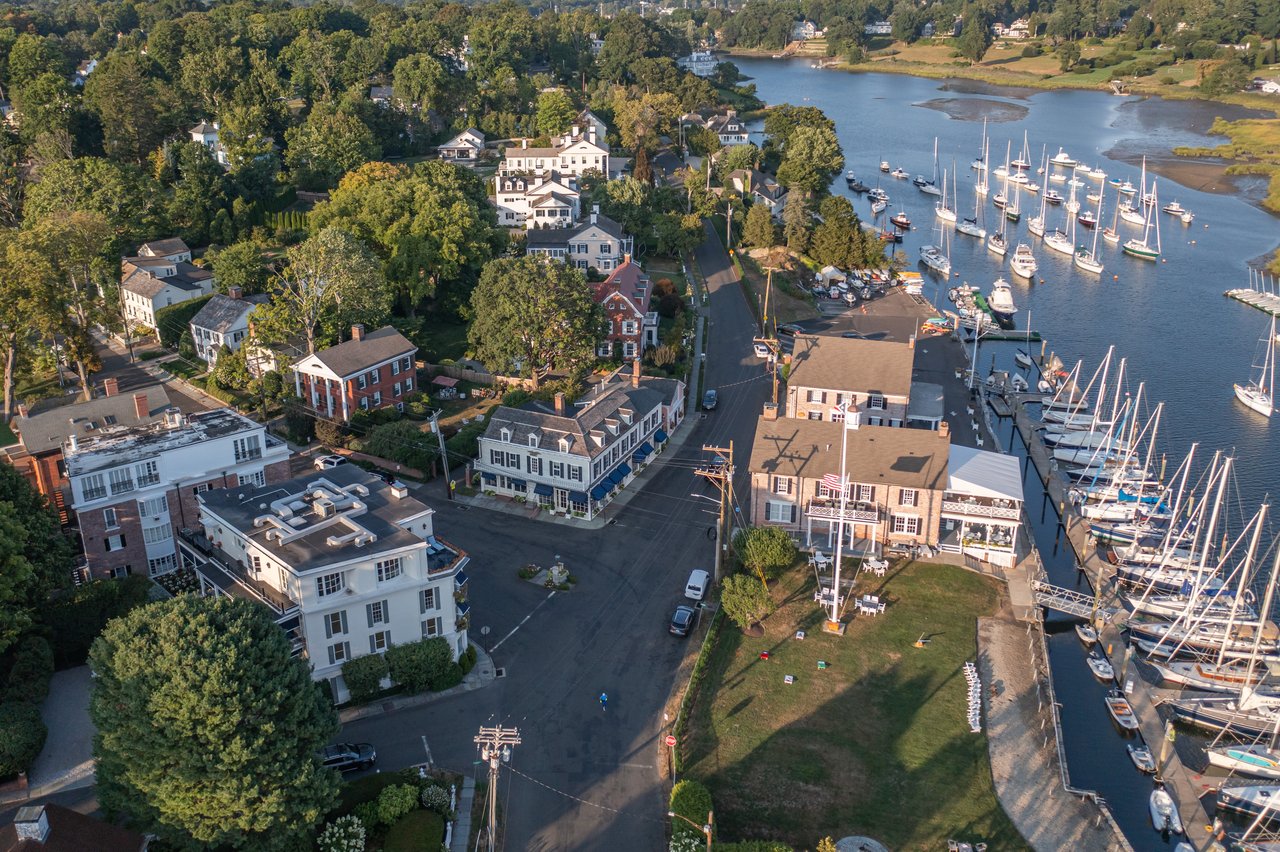
Southport sits inside Fairfield as a compact, high-end micro-market with historic village streets, direct-waterfront properties along Harbor Road and Sasco Hill, and a small set of inland estates. Public snapshots place typical values in the mid–seven figures, but low inventory and a wide price spread mean monthly averages can jump. Medians are steadier, yet they still move when a few big estates close. Treat any single online snapshot as a headline, not a pricing plan.
Why one sale can move the numbers
In a small market, a trophy closing can lift reported averages for weeks. A widely covered example is the landmark Rose Hill waterfront estate, which closed around $15 million in December 2024. Local coverage of the transaction explains how outsized deals influence reported pricing across Fairfield and Southport in periods that include them. Reviewing recent medians and a tight set of like-for-like comps is more reliable than chasing a moving average, and regional reporting confirms the area saw multiple seven- and eight-figure waterfront sales across late 2024. See local coverage of the Rose Hill sale in Greenwich Time and broader luxury-market context in this Brown Harris Stevens Connecticut report.
The three micro-markets that set pricing
Historic Village core
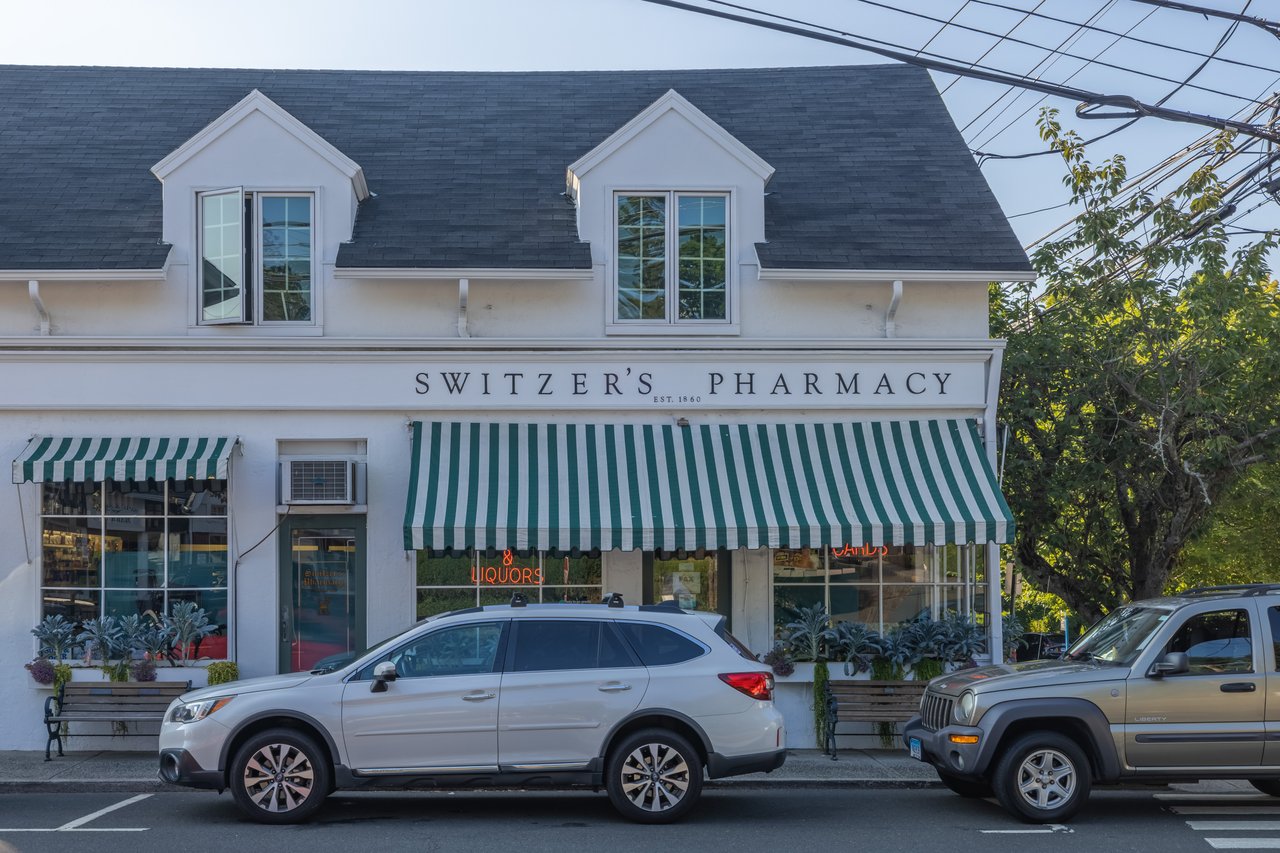
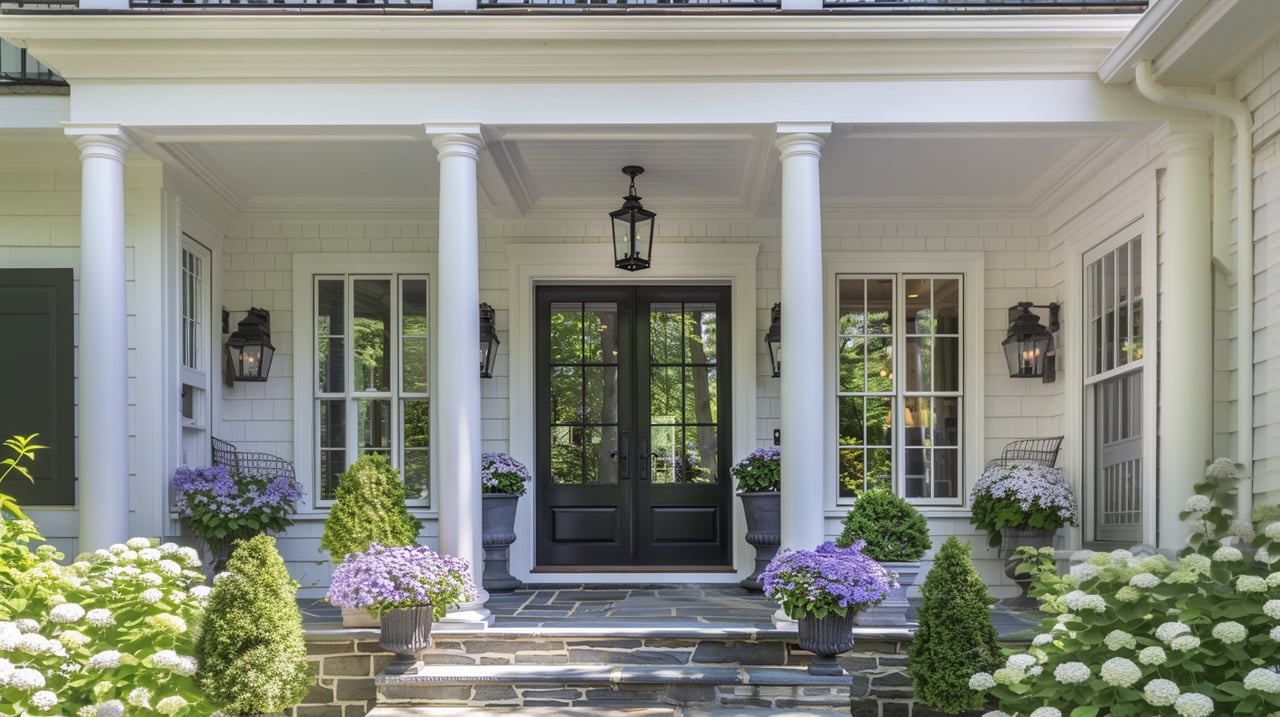
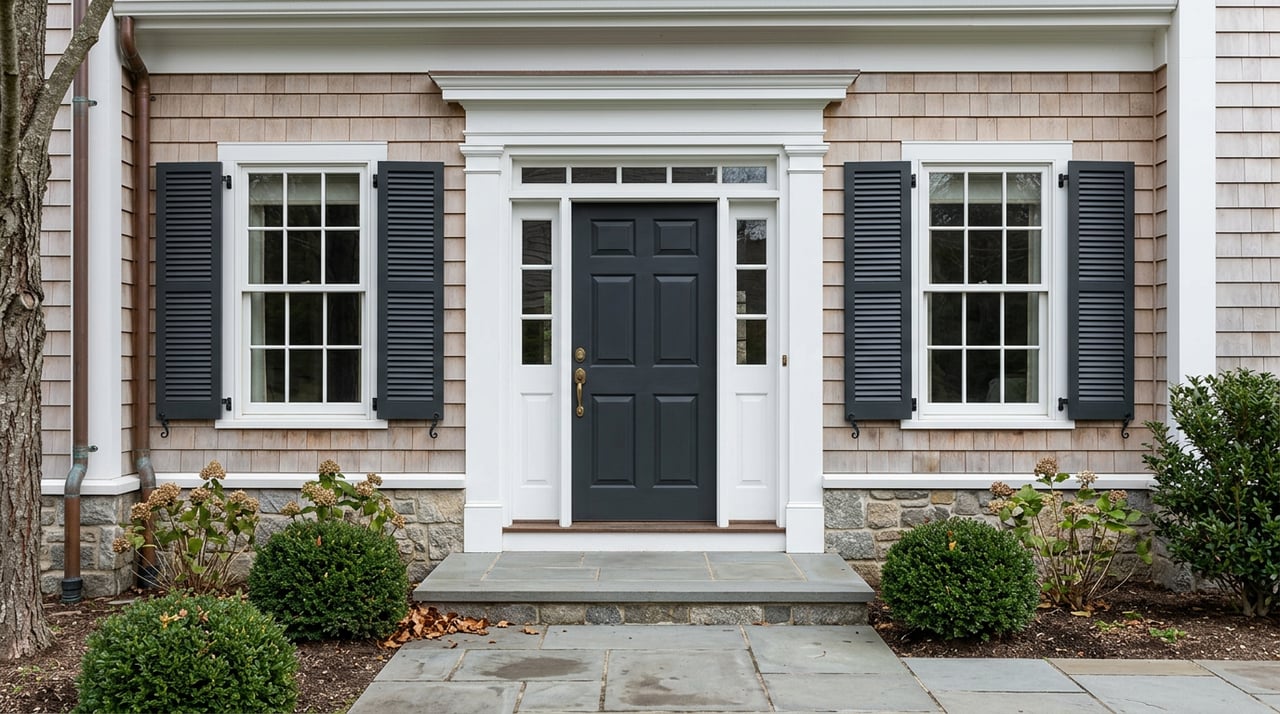
The Southport Historic District features walkable blocks and architecturally significant homes in Federal, Greek Revival, and Victorian styles. Buyers value streetscape character and proximity to amenities. Exterior changes visible from public ways are reviewed locally, so plan ahead for timelines and scopes. The Town’s Historic District Commission outlines processes and approvals in its HDC Handbook.
Direct-waterfront and Sasco Hill estates
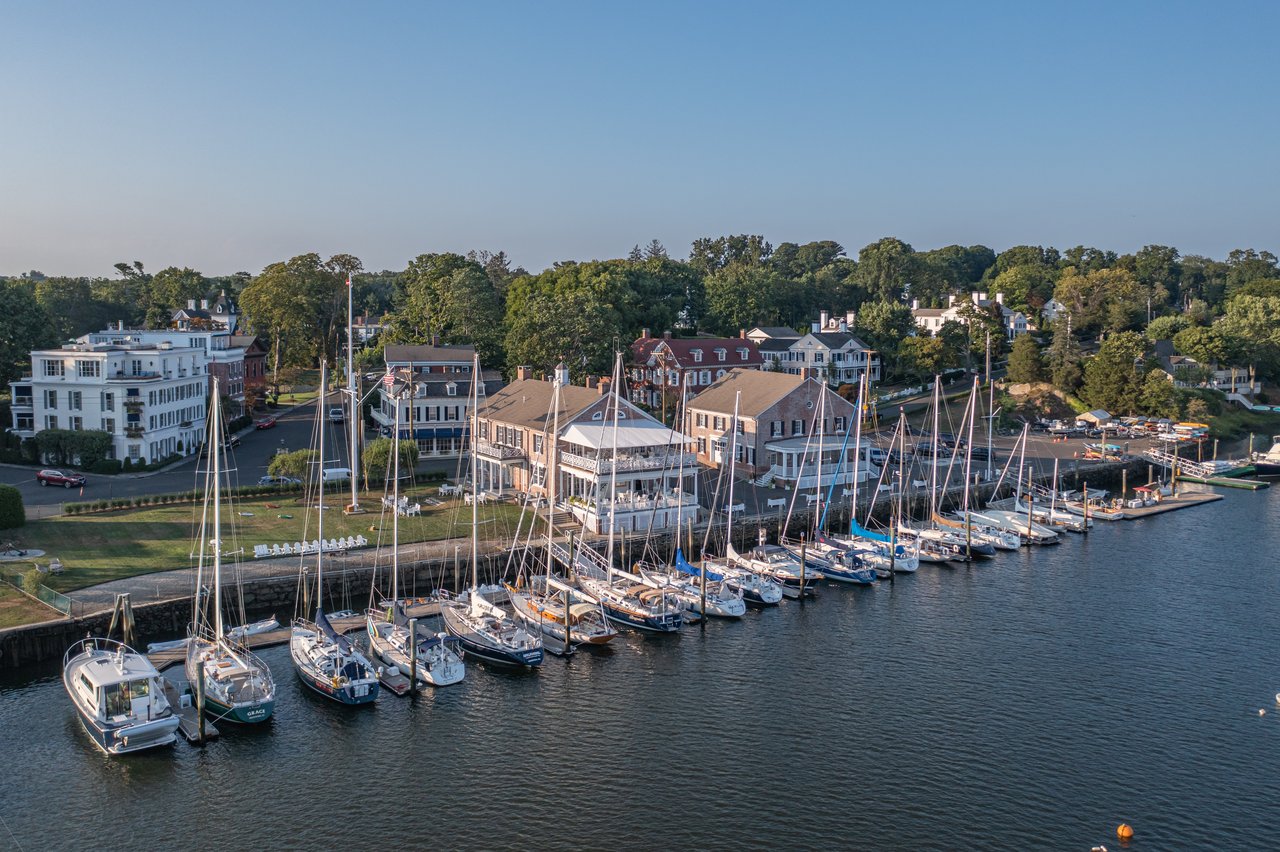
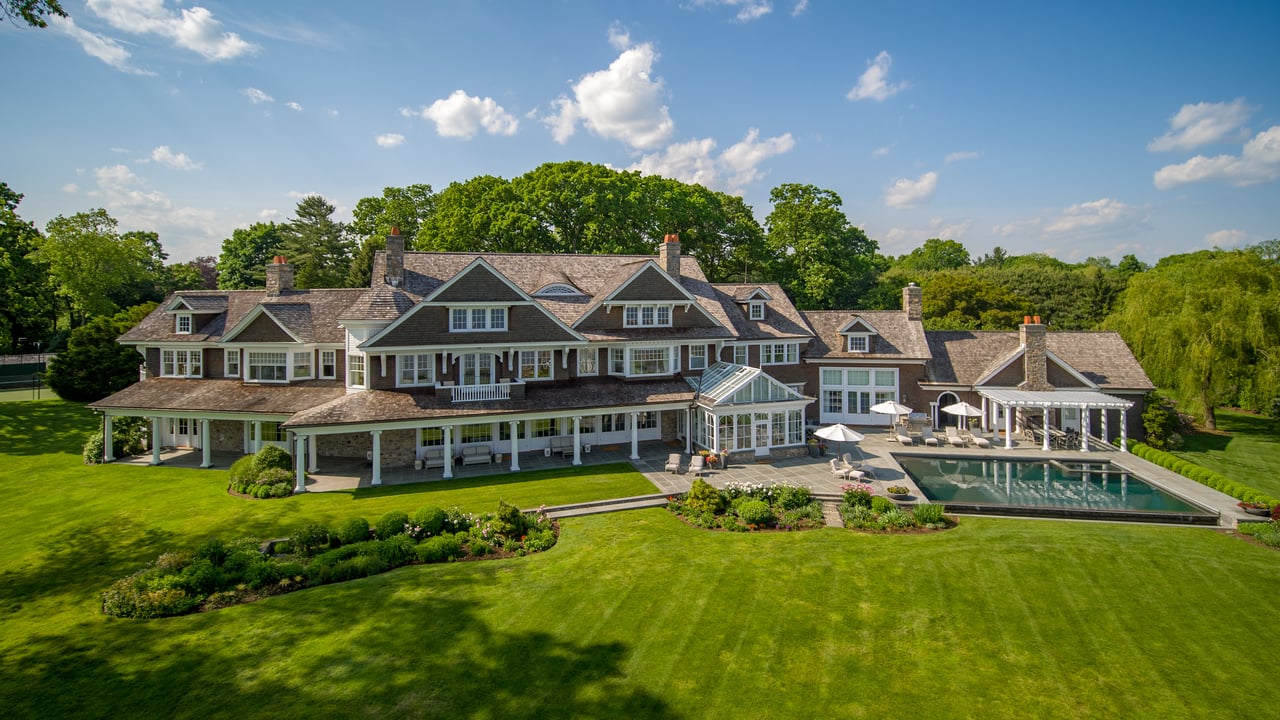
Harbor-frontage, private docks, and elevated Sound views command the highest premiums per square foot. Sales here are lumpy because inventory is thin and properties are unique. These homes often draw regional and out-of-state buyers who are willing to wait for the right fit. Regional market summaries show several seven- and eight-figure sales in recent reporting windows, reinforcing the two-tier nature of the area’s pricing. Review the Brown Harris Stevens Connecticut report for high-level context.
Village cottages and inland near the harbor
Smaller historic cottages and updated inland homes near the harbor offer village living at a lower premium than direct waterfront. These properties often set the mid-range medians you see online. When you price or bid, separate comps by submarket so you do not mix cottages with trophy estates. That single step can keep expectations realistic and offers on target.
Who is buying now
Recent buyers include NYC commuters, second-home seekers, downsizers focused on low-maintenance village living, and boating-focused lifestyle buyers. Turnkey historic restorations and true waterfront often attract cash or well-qualified offers. Because inventory is limited, qualified buyers tend to move decisively when the right home appears. Sellers should expect interest from local households and from regional high-net-worth buyers who search remotely.
What this market means for sellers
Pricing and presentation need to be precise in Southport. Thin inventory means you can capture a premium, but only if you aim at the right buyer pool and clear due diligence hurdles upfront.
- Request a current MLS pricing analysis that separates waterfront, historic-district, and inland comps. A single online estimate can be misleading in a low-volume market.
- Complete pre-listing diligence: structural inspection, survey, septic or sewer verification, and, if near the shoreline, an elevation certificate and shoreline permit documentation. The Fairfield County Flood Insurance Study outlines zones and hazards that buyers and insurers will review.
- If the property sits in the historic district, confirm required reviews with the Town’s HDC Handbook. If you plan or recently completed restoration work, investigate state and federal rehabilitation incentives. The Novogradac summary explains Connecticut’s historic tax credit pathways and timing in its state program overview.
- Prepare for insurance questions early. After recent storms, state guidance highlights the importance of flood coverage and timing for policy issuance. Share any elevation data and coverage estimates with buyers. See the Connecticut Insurance Department’s flood insurance guidance for context.
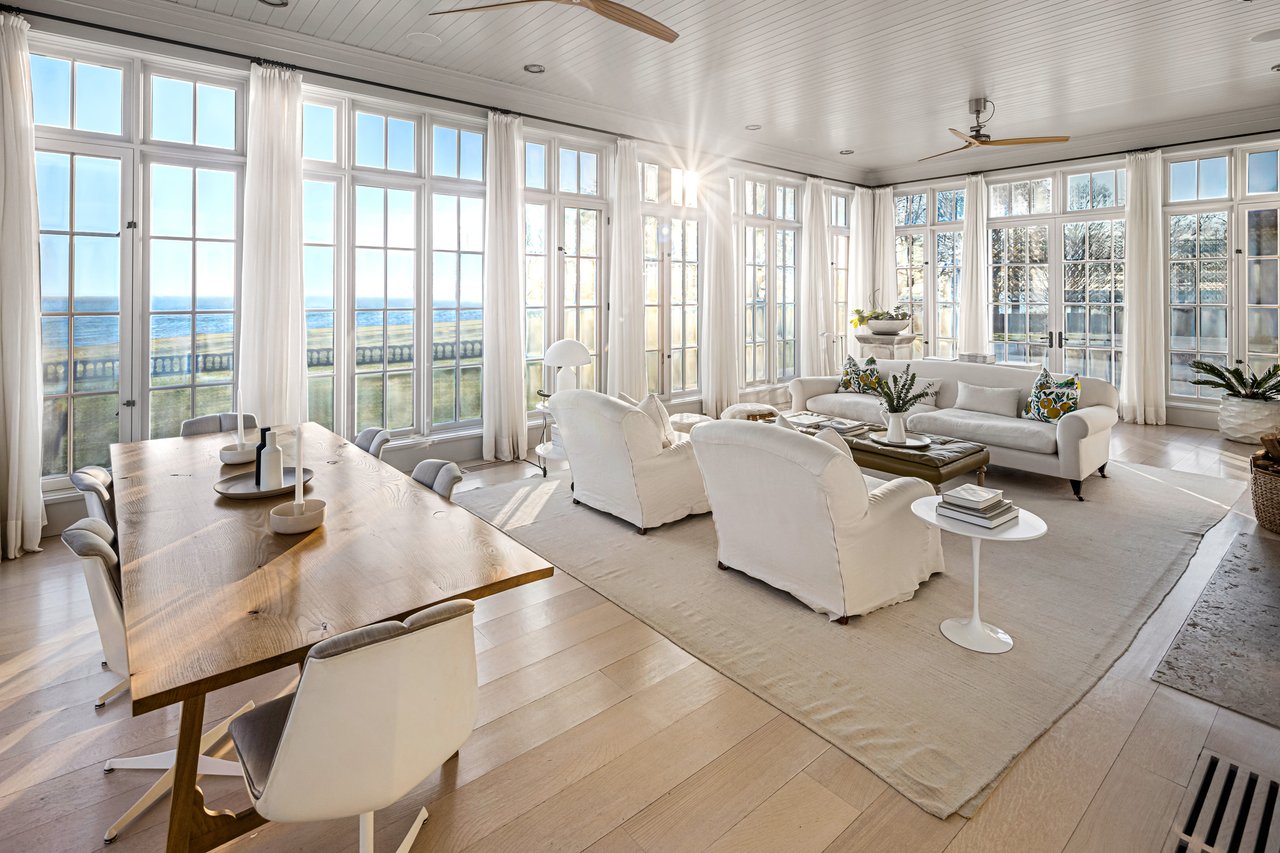
- Market with discretion and quality. Invest in high-end photography, aerials, cinematic video, and a property brochure. Use boutique luxury channels and targeted broker outreach to reach qualified buyers in key feeder markets. Thoughtful staging helps buyers connect to the lifestyle without overexposing the listing.
What this market means for buyers
Waterfront and historic homes are special, but they come with unique steps. A clear plan helps you move quickly and avoid surprises.
- Get pre-qualified early and confirm jumbo thresholds for Fairfield County. Conforming loan limits change over time and can affect rates and approvals. Review recent updates in this conforming-limit coverage.
- Order comprehensive due diligence: a current survey, elevation certificate if in a Special Flood Hazard Area, structural review of seawalls and shoreline elements, and a title review for any conservation or historic easements. The Fairfield County Flood Insurance Study helps you frame questions about zones, elevations, and potential mitigation.
- Budget for insurance and mitigation. Connecticut’s insurance regulators emphasize that flood coverage availability and premiums can materially affect carrying costs. Start quotes early using the state’s flood insurance guidance as a checklist.
- Prepare for appraisal nuances. Unique estates and historic homes often lack close comps. Your lender may request a specialty appraisal or extra valuation support. The Appraisal Institute provides perspective on complex-property valuation in its specialty appraisal resources.
- If boating access matters, confirm mooring rules and waitlists early. The Pequot Yacht Club and the town’s Ye Yacht Yard are central to harbor life. Explore the Pequot Yacht Club overview to understand local norms.
Timing your move
Like much of the Northeast, Southport’s listing activity tends to rise in spring and early summer, when waterfront showability is at its best. Well-positioned properties can also capture strong attention in off-peak months because choice inventory is scarce. Research on regional housing seasonality shows timing varies by metro and by price tier, which makes local comps more important than national rules of thumb. For a deeper look at seasonality effects, see this peer-reviewed overview of housing market timing in the National Library of Medicine.
How to read the data for your address
- Use medians and a short list of recent, like-kind comps. Separate waterfront from inland and historic-district homes.
- Treat any single month’s “average price” as volatile because one large closing can skew results.
- Focus on current actives and pendings in your submarket to gauge competition and absorption.
- Layer in insurance, permitting, and renovation timing to refine both price and timeline.
Next steps
Every property in Southport is unique, especially on the waterfront and within the historic district. If you are considering a sale, request a confidential, submarket-specific valuation and a marketing plan that balances reach and discretion. If you are buying, ask for a due diligence roadmap tailored to your target streets, zoning, and lifestyle goals. For a private conversation and a bespoke plan, connect with Andrew + Wendy.
FAQs
What is the current price range in Southport’s luxury market?
- Southport is a small, high-end market where medians and averages shift with a few large sales; recent regional reporting highlights multiple seven- and eight-figure closings across late 2024, including the Rose Hill estate covered by Greenwich Time and broader trends in the BHS CT report.
How do historic-district rules affect selling a home in Southport?
- Exterior work visible from public ways may require review and approval, which affects timelines and scopes; see the Town’s HDC Handbook for process details.
How does flood zoning affect buying a waterfront home in Southport?
What financing should I plan for at the high end?
- Many purchases fall into jumbo territory; conforming loan limits change over time and affect rates and approvals, so review recent conforming-limit updates and confirm with your lender.
How are appraisals handled for unique estates and historic homes?
- Appraisers may rely on specialty methods or a wider search radius when close comps do not exist; lenders sometimes request second or specialty appraisals, and the Appraisal Institute offers complex-property resources.
How do I plan for harbor access or a mooring near Southport?
- Mooring rules and waitlists are managed locally; review norms and membership context through the Pequot Yacht Club overview and confirm details with the appropriate harbor authorities.